lunedì 15 luglio 2019

The spiritual experience and the stable realization of the Self - L'esperienza spirituale e la stabile realizzazione del Sé


Risultati immagini per The spiritual experience and the stable realization of the Self

Identifying oneself with a specific form name does not correspond absolutely to the truth and, moreover, if one identifies oneself with the "person" one cannot help but assume its merits and defects, to accept its nuances and spots, but we are Arlecchino or Pulcinella ?

In truth "I" (as consciousness) I observe the character that can only be manifested through my conscious observation. I don't judge him, I love him as I love anyone who enters my conscious sphere.

The experience of the ultimate state, of identification-free consciousness, is exposed in various spiritual schools such as: Satori, Holy Spirit, Samadhi, Shaktipat, etc. It is usually understood that this experience of "awakening" to one's own nature is a consequence of a particular condition of openness in which the "grace" of the Self (pure Awareness) can manifest itself and impart knowledge of what we have always been and always will be . Unfortunately, due to the accumulation of "vasana" mental tendencies, the lived experience does not always stabilize in permanent realization.

The awakening therefore does not correspond to the realization (or only in rare cases of full spiritual maturity). And here we are faced with a paradox, on the one hand there is the unequivocal awareness of the ultimate state that can never be erased, on the other a partial obscuration of this truth following the residual activity of the vasanas that continue to operate in the mind of the seeker ...

Knowledge once revealed takes time to stabilize. The Self is certainly within the direct experience of each one, but not as one can imagine, it is simply what it is. This "experience" is called samadhi. But due to the fluctuation of the mind, knowledge requires practice to stabilize.

So the job of the seeker consists in eliminating the vasanas. A great help in this work of cleansing - as Ramana Maharshi stated - results in being near a realized saint, so the vasanas cease to be active, the mind becomes quiet and samadhi comes. In this way the seeker gets a proper experience in the presence of the master.

A practice to keep the awareness on the Self fixed (Noumeno or real subject) is to ask oneself about "who am I?", And if thoughts should arise, during self-investigation, one should ask "to whom do these thoughts arise?" . In this way it will be possible to remain as long as possible on the sense of presence, without giving an objective identification to this pure subjective identity.

To maintain this experience permanently an effort is necessary and finally the seeker will know his true nature even in the midst of everyday life. this is the state that is beyond our effort or lack of effort.

From here the importance of the "awakening" is perceived, so that once the "joy of the Self" is tasted, the seeker will not be able to do without turning to it repeatedly trying to win it back.

Once the joy of peace is experienced, no one will want to go to some other research.

Paolo D'Arpini

Risultati immagini per paolo d'arpini


Testo Italiano

Identificarsi con uno specifico nome forma non corrisponde assolutamente al vero ed inoltre se ci si identifica con la “persona” non si può fare a meno di assumerne i pregi ed i difetti, di accogliere le sue sfumature e macchie, ma siamo noi Arlecchino o Pulcinella?

In verità “io” (in quanto coscienza) osservo il personaggio che solo attraverso la mia osservazione consapevole può manifestarsi. Non lo giudico, gli voglio bene come voglio bene a chiunque entri nella mia sfera cosciente.

L’esperienza dello stato ultimo, della coscienza libera da identificazione, è esposta in varie scuole spirituali come: Satori, Spirito Santo, Samadhi, Shaktipat, etc. Di solito si intende che questa esperienza di "risveglio" alla propria natura sia conseguente ad una particolare condizione di apertura in cui la “grazia” del Sé (la pura Consapevolezza) può manifestarsi ed impartire la conoscenza di quel che sempre siamo stati e sempre saremo. Purtroppo dovuto all’accumulo di tendenze mentali “vasana” non sempre l’esperienza vissuta si stabilizza in permanente realizzazione.

Il risveglio quindi non corrisponde alla realizzazione (oppure solo in rari casi di piena maturità spirituale). E qui ci troviamo di fronte ad un paradosso, da un lato c’è la consapevolezza inequivocabile dello stato ultimo che non può mai più essere cancellata, dall’altro un oscuramento parziale di tale verità in seguito all’attività residua delle vasana che continuano ad operare nella mente del cercatore…

La conoscenza una volta rivelata prende tempo per stabilizzarsi. Il Sé è certamente all’interno dell’esperienza diretta  di ognuno, ma non come uno può immaginare, è semplicemente quello che è. Questa “esperienza” è chiamata samadhi. Ma dovuto alla fluttuazione della mente, la conoscenza richiede pratica per stabilizzarsi.

Quindi il lavoro del cercatore consiste nell’eliminazione delle vasana. Un grande aiuto in questo opera di pulizia - come affermò Ramana Maharshi- risulta nello stare in prossimità di un santo realizzato, così le vasana cessano di essere attive, la mente diventa quieta e sopravviene il samadhi. In questo modo il cercatore ottiene una corretta esperienza alla presenza del maestro.

Una pratica per mantenere fissa la consapevolezza sul Sé (Noumeno o soggetto reale) è l'interrogarsi su "chi sono io?", e se dovessero sorgere pensieri, durante l'auto-indagine, bisognerebbe chiedersi "a chi sorgono questi pensieri?". In tal modo si potrà restare il più a lungo possibile sul senso di presenza, senza dare un'identificazione oggettiva a questa pura identità soggettiva.

Per mantenere stabilmente questa esperienza uno sforzo è necessario ed infine il cercatore conoscerà la sua vera natura anche nel mezzo della vita di tutti i giorni. questo è lo stato che sta oltre il nostro sforzo o la mancanza di sforzo.

Da qui si intuisce l'importanza del "risveglio" per cui, una volta assaggiata la “gioia del Sé”, il cercatore non potrà fare a meno di rivolgersi a questa ripetutamente cercando di riconquistarla.

Una volta sperimentata la gioia della pace nessuno vorrà indirizzarsi verso qualche altra ricerca. 

Paolo D'Arpini


domenica 7 luglio 2019

The end of ancient European civilization with the advent of religions of Semitic origin - La fine dell'antica civiltà europea con l'avvento delle religioni di origine semitica


Immagine correlata

The fracture between Western and Eastern thought, with regard to the concept of God, took place substantially with the acceptance by the West of the Jewish conception of a creator god, taken over by the Christian religion and later by the Islamic one. Until then, let's say up to the famous edict of Constantine, the reality of the gods was that of "natural forces" that served as compensators. While for the so-called "creation" it was implied the presence of a unique matrix that was referred to as "nature" ("natura naturans" and "naturata natura") and corresponded to the figure of "Great Mother" of the Neolithic civilization.

Judaism in truth not only identified the creator in a father god but also totally subverted the ancient "naturalistic" values, and Christianity as well as Islam continued stubbornly in that vein. To tell the truth the first shoulder to the "naturalistic" conception of the divinity was given by the first Aryan populations that invaded a good part of the ancient world and this happened about ten thousand years ago, at the end of the Neolithic, in times much before the birth of the monotheistic creed as we know it today.

However still five thousand years ago in Vedic culture, as in the Sumerian, Iranian, Greek, Roman, Celtic, etc., in short, in all cultures of Indo-European origin, despite having assumed mixed forms (male and female) the gods were considered expressions of nature and could be ingratiated through sacrifices, in order to obtain favors. In short, it was a sort of "do ut des" interchange between the gods and man (understood as a human being in its totality).

In Judaism, on the other hand, the relationship was preferential between a hypothetical creator god and lord and his chosen people. And in truth we do not understand how the refined minds of ancient Europe and the Near East have been subjugated by an exclusive and misogynistic thought that I would even call racist. It is true that the figure of Christ stands as the savior of all peoples, but this happens without denying the Jewish religious baggage, so Christians and Muslims in a certain sense have all converted to Judaism, although in reality they cannot be. (because Jews are born and do not become).

As the European populations accepted the concept of a god father creator, they moved further and further away from the holistic thought, still in force in most of the East, which continued to consider the divinity as a compensatory energy. The name Ishwara, which stands for Lord in Sanskrit, represents the "force of destiny" or the ability to administer the law of cause and effect, with relative karmic retribution. But even this description of God was (and is) actually a "fable" to please the people who felt the need to feel recognized in their efforts to accomplish a so-called social "good". The proof is that in India as in China, and in other places of the East, secular thoughts such as Taoism, Buddhism, Advaita, etc. continue to persist.

Thinkers such as Shankaracharya, Lao Tze and Buddha are still considered the pinnacle of human spirituality and intelligence. And their thought, thousands of years old, is still fresh and young and today it is corroborated by modern quantum physics.

The Absolute exists in itself without beginning or end, in an inseparable unicum, which penetrates and at the same time transcends. If a god appears it is only an image in this "full / empty" of the formless.

The attempt to revive this ancestral and pre-existing "knowledge" of any religion in the West is assumed in the present time by the so-called "lay spirituality". A spirituality that frees itself from the religious cage to rediscover its true substance: consciousness and intelligence within and matter and life outside. Two inseparable aspects of the same event. But - as is clearly stated in non-dual, Taoist and Buddhist traditions - this knowledge cannot be learned through study, through sacred books.

There are no gospels. There is only awareness and this same awareness is its own research and realization laboratory.

In an ancient Upanishad it is said: "From the Whole arises the Whole. If from the Whole we show the Whole, always the Whole remains ”. And we carefully consider where we are, in any place or form, at any time, we cannot help but be the "center" because in the infinite and in the eternal there is no "periphery" and separation. The feeling of constant undivided presence, the awareness of the indivisibility of life, recognizable in every aspect and component, starting from the perceiving "subject", in other words the "supreme" knowledge, means being aware that everything that "is" is in as such. Because the existing is one, and of the right behavior in the conditions in which we find ourselves in existence, on the contrary it implies an absolute accuracy and operative capacity, not stained by the sense of reward .... (as happens in the so-called monotheistic religions). In short, to be truly free of preconceptions and live in unity with the existing we must take the first step towards ourselves, beyond the social context and ideology, focusing our attention on the things that can be done, for ourselves and by ourselves , in the immediate present.

To begin with, we place trust in our innate personal abilities to recognize ourselves in the great expression of existence. This does not mean abandonment of the community, indeed such an awareness corresponds to the rediscovery of the values ​​of the community, values ​​based on one's own self-responsibility towards ourselves -in primis- and subsequently towards our fellow-men (the living together). This cannot be a sentimental attitude, but an operational, organic, definitive and total attitude. Including the various plans of the vital trend without exclusion of ways and without excesses.

Here I also speak of "human generosity" as the Taoists define it in China, a generosity that is not mere "benevolence" (or non-violence) but the suitable expression of one's human nature, including the ability (or courage) to express opposition to prevarication and religious or political exploitation. As the "substance" cannot be "description" and the theoretical sum can not overcome the practice.

Paolo D'Arpini

Risultati immagini per paolo d'arpini

Committee for Lay Spirituality
spiritolaico@gmail.com


Testo italiano:

La frattura fra pensiero occidentale ed orientale, in merito al concetto di Dio, è avvenuta sostanzialmente con l'accettazione da parte dell'occidente della concezione giudaica di un dio creatore, fatta propria dalla religione cristiana e successivamente dal quella islamica. Fino a quel momento, diciamo fino al famoso editto di Costantino, la realtà degli dei era quella di “forze naturali” che fungevano da compensatori. Mentre per la cosiddetta “creazione” si sottintendeva la presenza di una matrice unica che veniva indicata come “natura” (“natura naturans” e “natura naturata”) e corrispondeva alla figura di “Grande Madre” della civiltà neolitica.

Il giudaismo in verità non soltanto identificava in un dio padre il creatore ma sovvertiva anche totalmente gli antichi valori “naturalistici”, ed il cristianesimo come pure l'islamismo proseguirono caparbiamente in quel filone. A dire il vero la prima spallata alla concezione “naturalistica” della divinità fu data dalle prime popolazioni ariane che invasero buona parte del mondo antico e ciò avvenne circa diecimila anni fa, alla fine del neolitico, in tempi di molto anteriori alla nascita del credo monoteista come oggi noi lo conosciamo.

Tuttavia ancora cinquemila anni fa nella cultura vedica, come in quella sumerica, iraniana, greca, romana, celtica, ecc., insomma in tutte le culture di origine indo-europea, pur avendo assunto forme miste (maschili e femminili) gli dei erano considerati espressioni della natura e potevano essere ingraziati attraverso sacrifici, al fine di ottenerne favori. Vigeva insomma una sorta di interscambio “do ut des” fra gli dei e l'uomo (inteso come essere umano nella sua totalità).

Nell'ebraismo invece il rapporto era preferenziale fra un ipotetico dio creatore e signore ed il suo popolo prescelto. Ed in verità non si comprende come le menti raffinate dell'Europa antica e del vicino oriente siano state soggiogate da un pensiero esclusivo e misogino che definirei persino razzista. E' vero che la figura del Cristo si pone come salvatore di tutte le genti ma ciò avviene senza negare il bagaglio  religioso giudaico, quindi i cristiani ed i musulmani in un certo senso si son tutti convertiti all'ebraismo, pur non potendo in realtà esserlo (poiché ebrei si nasce e non si diventa).

A mano a mano che le popolazioni europee  accettavano il concetto di un dio padre creatore si allontanavano sempre più dal pensiero olistico, tutt'ora vigente in gran parte dell'Oriente,  che continuava a considerare la divinità come una energia compensativa. Il nome Ishwara, che sta per Signore in sanscrito, rappresenta la “forza del destino” ovvero la capacità di amministrare la legge di causa ed effetto, con relativa retribuzione karmica. Ma anche questa descrizione di dio era (ed è) in realtà una “favola” per accontentare il popolo che sentiva il bisogno di sentirsi riconosciuto nei suoi sforzi di compiere un cosiddetto “bene” sociale. Prova ne sia che in India come in Cina, ed in altri luoghi dell'oriente, perdurarono per millenni ed ancora perdurano pensieri laici come il Taoismo, il Buddismo, l'Advaita, etc.

Pensatori come Shankaracharya, Lao Tze e Buddha sono tutt'oggi considerati all'apice della spiritualità e dell'intelligenza umana. Ed il loro pensiero, antico di millenni, è ancora fresco e giovane ed oggi è corroborato dalla moderna fisica quantistica.

L'Assoluto esiste di per se stesso senza inizio né fine, in un unicum inscindibile, che tutto compenetra ed allo stesso tempo trascende. Se un dio appare è solo una immagine in questo “pieno/vuoto” del senza forma.

Il tentativo di far rivivere in occidente questa “conoscenza” ancestrale e preesistente a qualsiasi religione viene assunto nel tempo presente dalla cosiddetta “spiritualità laica”. Una spiritualità che si libera dalla gabbia religiosa per riscoprire la sua vera sostanza: coscienza ed intelligenza all'interno e materia e vita all'esterno. Due aspetti inscindibili della stessa manifestazione. Ma -come è chiaramente detto nelle tradizioni non-duali, taoiste e buddiste- questa conoscenza non può essere appresa attraverso lo studio, attraverso libri sacri.

Non esistono vangeli. Esiste solo la consapevolezza e questa stessa consapevolezza è il proprio laboratorio di ricerca e di realizzazione.

In un'antica Upanishad è detto: “Dal Tutto sorge il Tutto. Se dal Tutto evinci il Tutto, sempre il Tutto rimane”. E consideriamo attentamente dove noi siamo, in qualsiasi luogo o forma, in qualsiasi tempo, non possiamo fare a meno di essere il “centro” poiché nell'infinito e nell'eterno non esiste “periferia” e separazione. Il sentimento di costante presenza indivisa, la coscienza dell’inscindibilità della vita, riconoscibile in ogni suo aspetto e componente, partendo dal “soggetto” percepente, insomma   la conoscenza "suprema", significa essere consapevoli che tutto quel che “è” lo è in quanto tale. Perché l’esistente è uno, non può esserci “altro”…

Questo sentire non implica un abbandono dell'agire e del retto comportamento nelle condizioni in cui ci si trova nell'esistenza, al contrario implica una assoluta accuratezza e capacità operativa, non macchiata dal senso di ricompensa.... (come avviene nelle cosiddette religioni monoteiste). Insomma per essere veramente liberi dai preconcetti e vivere in unità con l'esistente dobbiamo compiere il primo passo verso noi stessi, aldilà del contesto sociale e della ideologia, concentrando la nostra attenzione sulle cose che possono essere fatte, per noi stessi e da noi stessi, nell'immediato presente.

Per cominciare riponiamo fiducia nelle nostre personali capacità innate di riconoscerci nella grande espressione dell'esistenza. Questo non significa abbandono della comunità, anzi una tale consapevolezza corrisponde alla riscoperta dei valori della comunità, valori basati sulla propria autoresponsabilizzazione nei confronti di noi stessi -in primis- e successivamente verso i nostri consimili (i viventi nel loro insieme). Questo non può essere un atteggiamento sentimentale, bensì operativo, organico, definitivo e totale. Comprendente i vari piani dell'andamento vitale senza esclusione di modi e senza eccessi.

Qui parlo anche di “generosità umana” come la definiscono in Cina i taoisti, una generosità che non è semplice “benevolenza” (o nonviolenza) bensì la confacente espressione della propria natura umana, ivi compresa la capacità (o coraggio) di manifestare opposizione alla prevaricazione ed alla strumentalizzazione religiosa o politica. In quanto la “sostanza” non può essere “descrizione” e la summa teoretica non può superare la pratica.


Paolo D'Arpini 


Comitato per la Spiritualità Laica
spiritolaico@gmail.com

martedì 25 giugno 2019

Diseases and karma. Atonement and evolution - Malattie e karma. Espiazione ed evoluzione


Risultati immagini per Malattie e karma - Espiazione ed evoluzione

From the "karmic" point of view, of the spiritual law of cause and effect, every disease is the functional cause to satisfy the payment needs of some "debts" contracted by the soul. In truth the only certain thing once the soul has taken on a body is that the moment will come when this body will be abandoned, it is called the birth-death process.

The experiences that are lived in the time frame in which the soul remains in physical form are all established in the book of destiny and have an educational function to bring the soul back to its true source which is the Spirit, or Absolute Awareness.

In the game of life, as happens in the various frames of a film, a hypothetical journey is enclosed which is nothing but an imaginary reflection in the mental mirror. In fact the mind is compared to a mirror that reflects the images projected by the consciousness making them appear "external" to the consciousness itself that observes them. This process is also called "splitting of consciousness in the observing, observed, observation triad".

But let's leave these metaphysical descriptions aside and go back to the analysis of how karma manifests itself. We said that once born we must die. The way in which this death occurs is dictated by the destiny chosen by the soul to meet the needs of its evolutionary position. Once upon a time one could die of leprosy, with a slow and long agony in which various stages of depression and humiliation were experienced. Or you could die hit by a dart in battle, with an injury, for exhaustion, starvation or physical dysfunction of any kind.


But even today one can die in various ways: by road accident, by environmental poisoning, by abandonment in a hospice, etc. In short, the ways of dying satisfy different karmic needs.

That some epidemic diseases like plague, cholera, etc. have almost disappeared. however, it did not prevent destiny from finding new expiative forms to meet these needs. Today the disease par excellence is the cancer that takes on various aspects and forms, both in gender and in ways to deal with it.

Examining the matter from a naturalistic point of view, every disease is only an organic degeneration that shows some aspects of the imbalance that the body-mind is going through. And in the system adopted to combat this imbalance, or the "way" in which this degeneration is faced, follows a karmic indication of the soul involved.

For example, you can get cancer, not know it and when death comes, you can define the cause "old age" or "weakening", etc. or you can discover the disease and face the ordeal of invasive, torturous and slow treatments, such as chemotherapy, filling of chemical drugs, etc. (which corresponds to certain expiative needs of the soul), or the disease can be cured through energetic rebalancing actions, with natural systems, such as simple elemental methods based on the movement and readjustment of the psychic and physical energies involved in the process referred to as “disease ", The simplest system being the correct diet food. But these are small examples in the enormous range of possibilities involved in the karmic course towards physical exhaustion, functional causes of a given karmic payment.

In this moment in which the internal-external imbalance is very pronounced in our society, following the blindness that leads man to consider himself abstracted from nature and consequently pushing him to the arrogance of wanting to self-manage, independently of the whole of the vital context , its existence on the planet, results in the karmic retribution of long and painful diseases and general states of malaise.

The alienation from life leads to alienation from oneself, hence the onset of degenerative diseases such as cancer and consequent "cures" that in reality are only worsening of the psychophysical condition, or that involve a further mental and physical degradation. But it is said that man learns through a process of trial and error and that intelligence is supposed to prevail in the end ...

Paolo D'Arpini

Risultati immagini per paolo d'arpini a letto


Testo italiano: 

Dal punto di vista “karmico”, della legge spirituale di causa-effetto, ogni malattia è la causa funzionale per soddisfare le esigenze di pagamento di alcuni “debiti” contratti dall’anima. In verità la sola cosa certa una volta che l’anima ha assunto un corpo è che verrà il momento in cui questo corpo sarà abbandonato, si chiama processo di nascita-morte.

Le esperienze che vengono vissute nel lasso di tempo in cui l’anima permane nella forma fisica sono tutte stabilite nel libro del destino ed hanno una funzione educativa per ricondurre l’anima alla sua vera sorgente che è lo Spirito, ovvero la Consapevolezza Assoluta.

Nel gioco della vita, come avviene nei vari fotogrammi di un film, viene racchiuso uno ipotetico percorso che non è altro che un riflesso immaginario nello specchio mentale. Infatti la mente viene paragonata ad uno specchio che riflette le immagini proiettate dalla coscienza facendole apparire “esterne” alla coscienza stessa che le osserva. Questo processo viene anche definito “scissione della coscienza nella triade osservatore, osservato, osservazione”.

Ma lasciamo da parte queste descrizioni metafisiche e torniamo alla analisi di come il karma si manifesta. Dicevamo che una volta nati giocoforza occorre morire. Il modo in cui sopraggiunge questa morte è dettato dal destino scelto dall’anima per soddisfare le esigenze della sua posizione evolutiva. Un tempo si poteva morire di lebbra, con una lenta e lunga agonia in cui si sperimentavano vari stadi di depressione e di umiliazione. Oppure si poteva morire colpiti da un dardo in battaglia, con un infortunio, per esaustione, inedia o disfunzione fisica di ogni genere. 
Ma anche oggi si può morire in vari modi: per incidente stradale, per avvelenamento ambientale, per abbandono in un ospizio, etc. Insomma i modi di morire soddisfano diverse necessità karmiche.

Che siano quasi scomparse alcune malattie epidemiche, come la peste, il colera, etc. non ha però impedito al destino di trovare nuove forme espiative per soddisfare queste esigenze. Oggi la malattia per antonomasia è il cancro che assume vari aspetti e forme, sia nel genere che nei modi di affrontarlo.

Esaminando la cosa dal punto di vista naturalistico ogni malattia è solo una degenerazione organica che mostra alcuni aspetti dello squilibrio che il corpo-mente sta attraversando. E nel sistema adottato per combattere tale squilibrio, ovvero il “modo” in cui tale degenerazione viene affrontata, segue un’indicazione karmica dell’anima coinvolta.

Ad esempio ci si può ammalare di cancro, non saperlo e quando la morte sopraggiunge definirne la causa “vecchiaia” o “indebolimento”, etc. oppure si può scoprire la malattia e affrontare il calvario di cure invasive, torturanti e lente, come la chemioterapia, imbottitura di farmaci chimici, etc. (che corrisponde a determinate esigenze espiative dell’anima), oppure si può curare la malattia attraverso azioni di riequilibrio energetico, con sistemi naturali, come i metodi semplici elementali basati sul movimento e riaggiustamento delle energie psichiche e fisiche coinvolte nel processo indicato come “malattia”, il sistema più semplice essendo la corretta dieta alimentare. Ma questi sono piccoli esempi nella enorme gamma di possibilità implicate nel decorso karmico verso l’esaustione fisica, cause funzionali di un dato pagamento karmico.

In questo momento in cui lo squilibrio interno-esterno è molto accentuato nella nostra società, in seguito alla cecità che porta l’uomo a considerarsi astratto dalla natura e conseguentemente che lo spinge all’arroganza di voler autogestire, indipendentemente dall’insieme del contesto vitale, la sua esistenza sul pianeta, dà come risultato la retribuzione karmica di lunghe e penose malattie e stati generali di malessere. 

L’alienazione dalla vita porta all’alienazione da se stessi, da qui l’insorgere di malattie degenerative come appunto il cancro e conseguenti “cure” che in realtà sono solo peggioramenti della condizione psicofisica, ovvero che comportano un ulteriore degrado mentale e fisico. Ma si dice che l’uomo apprende attraverso un processo di tentativi ed errori per cui si suppone che l’intelligenza alla fine prevalga… 

Paolo D'Arpini


martedì 18 giugno 2019

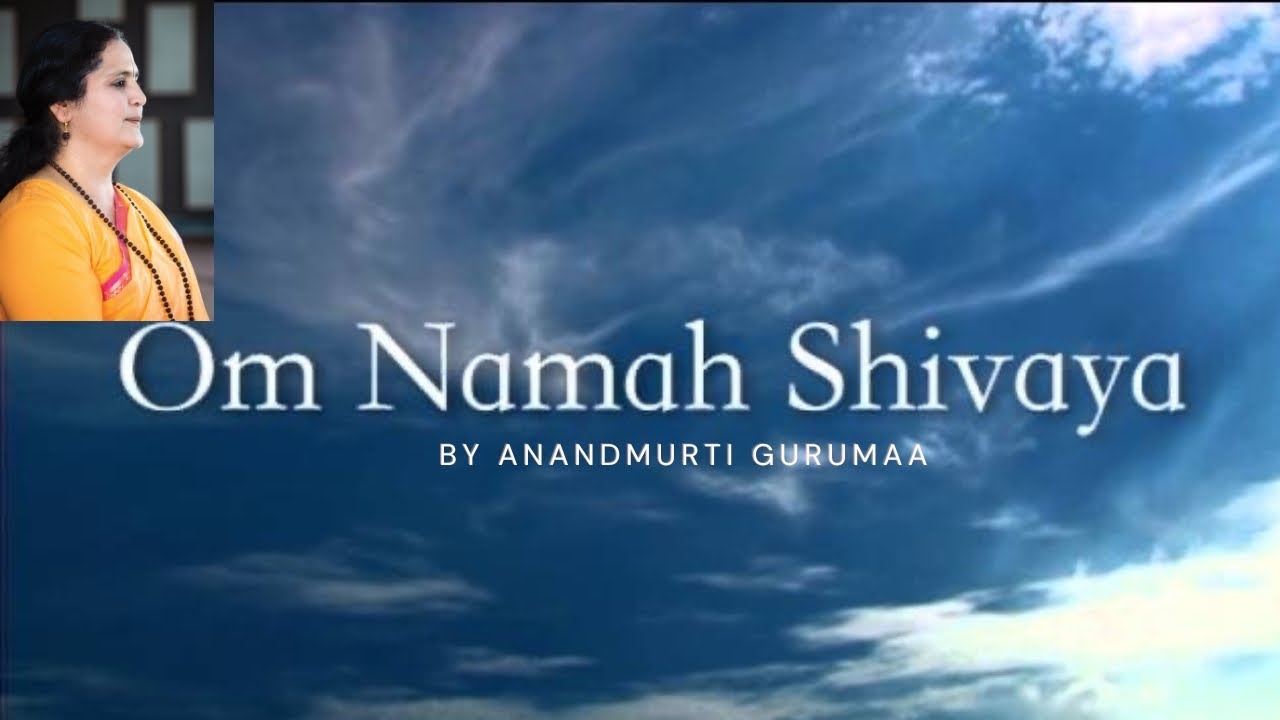
"Om Namah Shivaya", the name of the Self - "Om Namah Shivaya", il nome del Sé


Risultati immagini per Om Namah Shivaya

"Oh Sad Guru who resides in us in the form of Knowledge and illuminate every step of our life, how crazy we have been to seek you out of us, knocking door to door and gathering only dust ... You are Consciousness, eternal, beyond space and time ..." (Sadguru Ki Arati)

The Sad Guru, the true master, is the manifestation of Existence-Consciousness, present in each of us. His name is Shiva, which means "auspicious". To recognize in ourselves the constant presence of Shiva, absolute awareness, there is no need to perform rituals or perform formal actions, the self-investigation of our true nature will suffice.

A form of self-inquiry, recognized as valid by all the great masters, is the evocation of one's own primordial nature, the existence-consciousness, through the repetition of the mantra dedicated to Shiva. Om Namah Shivaya is such a mantra, whose meaning is "I honor Shiva who is in me".

The repetition of the mantra is the best way I know to keep the mind at bay, even if it seems that the mind is overwhelmed by thoughts, the repetition of the mantra, even if in the background, is a positive antidote. The repetition of the mantra received by the Master is trust, prayer and adherence to the Self. Concentrating on the mantra, even with effort, is like taking a thorn off using another thorn, the pain of the operation remains but the attempt helps the mind to remain stable in the intended purpose.

It is necessary to know that there are so many propensities accumulated in the mind that they cannot be driven out with a single act of empire ... Indeed the will itself is sometimes an impediment to peace, for this it is necessary to "cling" to the mantra as we would do with a life preserver a stormy sea, with no other reason than to stay afloat. Once you reach the shore the lifebuoy will no longer be necessary ...

Remembering one's true identity, before identifying with the form-name with which we are known and known ouselves, is something that cannot be remembered through deliberate efforts. It is necessary to empty the mind of all conceptualization. As is the case in Zen with the repetition of a koan received from the master, in the same way the repetition of the mantra Om Namah Shivaya helps to bring the mind back to that state of "emptiness" through which awakening to the Self is reached. The Zen's invitation to know one's face before having a face is the same thing as knowing our name before having a name. This is why the mantra has such great strength, when OM NAMAH SHIVAYA is repeated, the most intimate name is evoked, the name of the Self.

Paolo D'Arpini

Risultati immagini per Om Namah Shivaya paolo d'arpini


Testo italiano:

“Oh Sad Guru che risiedi in noi nella forma di Conoscenza ed illumini ogni passo della nostra vita, quanto pazzi siamo stati a cercarti fuori di noi, bussando porta a porta e raccogliendo solo polvere… Tu sei Coscienza, eterna, aldilà dello spazio e del tempo..”   (Sadguru Ki Arati)

Il Sad Guru, il vero maestro,  è la manifestazione della Esistenza-Coscienza, presente in ognuno di noi. Il suo nome è Shiva,  che significa "di buon auspicio".    Per riconoscere  in noi stessi la costante presenza di Shiva, l'assoluta consapevolezza, non c’è bisogno di eseguire riti o compiere  azioni formali,  sarà sufficiente l'auto-indagine sulla  nostra vera natura.

Una forma di auto-indagine, riconosciuta valida da tutti i grandi maestri, è l'evocazione della propria natura primordiale, l'esistenza-coscienza, per mezzo della ripetizione del mantra dedicato a Shiva. Om Namah Shivaya è  tale mantra, il cui significato è "onoro Shiva che è in me". 


La ripetizione del mantra  è il  modo migliore che io conosca per tenere a bada la mente,  anche se sembra che la mente venga sopraffatta dai pensieri la ripetizione del mantra, sia pure in sottofondo, è un antidoto positivo. La ripetizione del mantra ricevuto dal Maestro è fiducia, preghiera e adesione al Sé. Concentrarsi sul mantra, anche con sforzo, è come togliersi una spina usando un'altra spina, il dolore per l'operazione rimane ma il tentativo aiuta la mente a mantenersi stabile nello scopo prefisso. 

Bisogna sapere che esistono così tante propensioni accumulate nella mente che non possono essere scacciate con un solo atto d'imperio... Anzi la volontà stessa talvolta è un impedimento alla pace, per questo occorre "aggrapparsi" al mantra come faremmo con un salvagente in un mare in tempesta, senza altra motivazione che quella di restare a galla. Una volta raggiunta la riva il salvagente non sarà più necessario...

Ricordarsi del propria vera identità, prima dell'identificazione con il nome-forma con il quale siamo conosciuti e ci conosciamo, è qualcosa che non può essere riportato alla memoria attraverso sforzi deliberati. Occorre svuotare la mente da ogni concettualizzazione. Come  ad esempio avviene nello zen con  la ripetizione di un koan ricevuto dal maestro, allo stesso modo  la ripetizione del mantra Om Namah Shivaya aiuta a riportare la mente in quello stato di "vuoto" attraverso il quale si raggiunge il risveglio a se stessi. L'invito dello zen  a conoscere il proprio volto prima di avere un volto è Ia stessa cosa di conoscere il nostro nome  prima di avere  un nome.  E' per questo che il mantra ha una così grande forza, quando si ripete OM NAMAH SHIVAYA si evoca il nome più intimo, il nome del Sé.

Paolo D'Arpini

domenica 9 giugno 2019

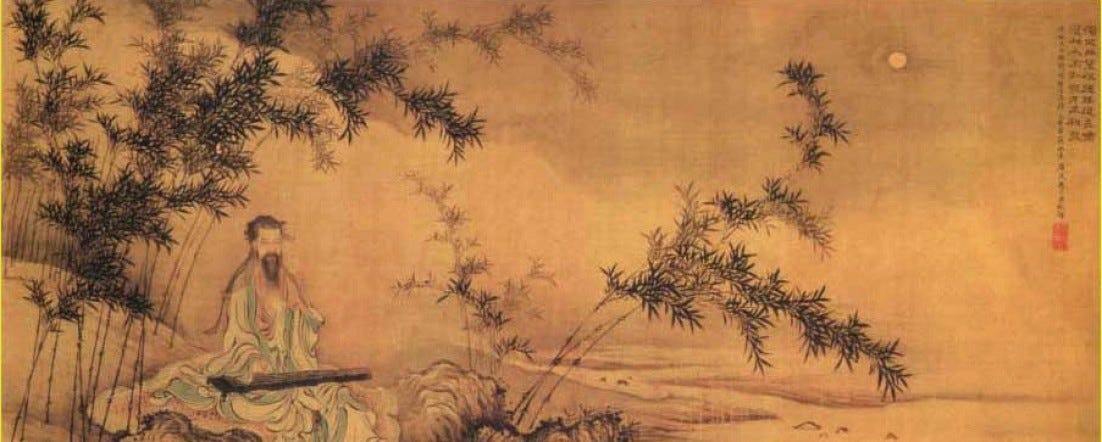
Non-dualism in Taoism, I Ching, Vedanta and classical Western thought - Non-dualismo nel Taoismo, nell’I Ching, nel Vedanta e nel pensiero occidentale classico


Risultati immagini per To return is to reach the Tao

"The truth cannot be pursued, it is always present and manifest, otherwise it would not be truth but simple description. And the description is never the substance ..." (Saul Arpino)

The idea of  ​​"return", which constitutes one of the most important elements in the Tao-te-king, already emerges in the Book of Changes (I Ching). Under the hexagram Fu we read: "To return is to reach the Tao".

A comment attributed to Confucius says: "The reason of Heaven is dazzling and lowers to the earth. The reason of the Earth is humble and rises to Heaven. The reason of Heaven decreases what is high and increases what is low. Spirits harm what is full and do good to what is empty. The reason of Heaven detests what is full of itself and loves the one who is humble. Humility is honored and shining: it is lowered and cannot be surmounted, it is the end of the wise! "

The exaltation of simplicity, described in the Tao-te-king, pre-existed Lao Tze. A modern Chinese philosopher, Lang-si-ciao believes that the Taoist "not acting" corresponds to the "simplicity" of the I Ching.

If Lao Tze re-elaborated some thoughts already existing in ancient China and used them as stones to build the Golconda mountain of his philosophical system, it is not said - as some scholars maintain - that these concepts came from ancient India ... It is It is true that the Vedic philosophy would seem to be the most ancient elaborated by man, and its implications influenced the metaphysical thought of the known world. But this is what appears because this search for the truth is "encoded" in the memory and therefore refers to it as a "source". Personally I am of the opinion that both Taoism and Vedanta, both of a non-dualistic nature, spontaneously flourished on their own logic. Such systems found light not only in China and in India but also in Europe, in Asia Minor, in Africa and in the Americas. Everything happened starting from that period of "Cultural Bloom" that could be indicated in the late Neolithic, with the discovery of agriculture and therefore of the increase in available food resources, which facilitated the development of conceptual and artistic analytical thinking, and it is contemporary to the discovery of writing. Some non-dualistic images are recognizable, for example, in Jewish thought with "I am that I am" or in pre-Socratic philosophy ... with the concept of the "Everything" that continually takes place in itself.

In short, it is useless to look where the original thought of the Absolute, "which comprehends everything and from which everything originates and to which everything returns" (understood as the overcoming of personal theism), appeared for the first time ... one can instead suppose that this philosophy it arises within various human families, when the refinement of thought reaches a climax.

Risultati immagini per Upanishads

"Everything is one and perfect in itself", say the Upanishads of India and the pursuit of "perfection" is only the projection of a concept based on another concept ... the truth is something very simple ...

And now a Zen story (as it was re-told by Aliberth Mengoni): "An old Chinese woman had two large vases, each suspended at the end of a pole that she carried on her shoulders. One of the vases had a crack, while the other was perfect, and he was always full of water at the end of the long walk from the stream to the house, while the cracked one came half empty.For two whole years it went on like this, with the woman who brought home only a vase and a half "Of course, the perfect vase was proud of its results. But the poor cracked vase was ashamed of its own flaw, and was depressed at being able to do only half of what it was done for. After two years of realizing it. of his own bitter failure, one day he spoke to the woman along the way: "I am ashamed of myself, because this crack in my side causes the water to come out all the way to your house." are you aware that from are there any flowers on your side of the path, but not on the other side? It is because I have always known of your defect, therefore I planted flower seeds on your side of the path and every day, as we returned, you watered them. For two years I was able to pick those beautiful flowers to decorate the table. If you had not been as you are, I would not have had those beauties to refine the house ".

Each of us has our own specific flaw. But just the crack and the defect that everyone has, makes our cohabitation interesting and rewarding. We must take each one for what he is and see what is good about him.

And finally an invocation by Chuang-tze: "My Master, my Master, you who destroy without being bad! You who build without being good! You who were before the times and who are not old! You who cover everything like Heaven, who brings everything like the Earth, who is the author of everything without being skilled .. Understanding yourself in this way, here is the heavenly joy. Knowing that I was born because of your influence, that on my departure I will re-enter your Way, that by communicating I communicate your passive modality to Yin, that by communicating with Yang I communicate your active modality: here is the supreme happiness ... The action of the Sage gets  "confused" with the action of Heaven, its rest with the rest of the Earth. His steadfast Spirit dominates the world! "

Paolo D’Arpini

Risultati immagini per paolo d'arpini


Testo Italiano

“La verità non può essere perseguita, è sempre presente e manifesta, altrimenti non sarebbe verità ma semplice descrizione. E la descrizione non è mai la sostanza…” (Saul Arpino)

L’idea del “ritorno”, che costituisce uno degli elementi di primaria importanza nel Tao-te-king, affiora già nel Libro dei Mutamenti (I Ching).  Sotto l’esagramma Fu si legge: “Ritornare è pervenire al Tao”.

Un commento attribuito a Confucio dice: “La ragione del Cielo è abbagliante e si abbassa sino alla terra. La ragione della Terra è umile e si eleva al Cielo. La ragione del Cielo diminuisce ciò che è elevato ed aumenta ciò che è basso. Gli spiriti nuocciono a ciò che è pieno e fanno del bene a ciò che è vuoto. La ragione del Cielo detesta ciò che è pieno di sé ed ama colui che è umile. L’umiltà è onorata e splendente: essa si abbassa e non può essere sormontata, essa é il fine del saggio!”
L’esaltazione della semplicità, descritta nel Tao-te-king preesisteva a Lao Tze. Un moderno filosofo cinese, Lang-si-ciao ritiene che il “non agire” taoista corrisponda alla “semplicità” dell’I Ching.
Se Lao Tze rielaborò alcuni pensieri già esistenti nella Cina antica e si valse di essi come pietre per edificare la montagna di Golconda del suo sistema filosofico, non è però detto -come alcuni studiosi sostengono- che tali concetti provenissero dall’antica India… E’ vero che la filosofia Vedica  sembrerebbe la più antica elaborata dall’uomo, e le sue implicazioni influenzarono il pensiero metafisico del mondo conosciuto. Ma questo é ciò che appare in quanto tale ricerca del vero risulta “codificata” nella memoria e quindi si fa riferimento ad essa come ad una “fonte”. Personalmente sono dell’opinione che sia il Taoismo che il Vedanta, entrambi di natura non-dualistica, fiorirono spontaneamente per logica propria.  Simili sistemi trovarono luce non solo in Cina ed in India ma pure in Europa, in Asia minore, in Africa e nelle Americhe. Tutto avvenne  a partire da quel periodo di “Fioritura Culturale” che potrebbe essere indicato nella fine del neolitico, con la scoperta dell’agricoltura e quindi dell’aumento delle risorse alimentari disponibili, che facilitarono lo sviluppo del pensiero  analitico concettuale ed artistico, ed è contemporaneo alla scoperta della scrittura. Alcune immagini non dualistiche sono riconoscibili, ad esempio,  nel pensiero ebraico  con “Io sono quell’Io sono” o nella filosofia presocratica…. con il concetto del “Tutto” che continuamente si svolge in se stesso.
Insomma inutile cercare ove il pensiero originale dell’Assoluto, “che tutto comprende e da cui tutto è originato ed a cui tutto ritorna” (inteso come superamento del teismo personale), sia apparso per la prima volta… si può invece supporre che tale filosofia sorga all’interno di varie famiglie umane, nel momento in cui la raffinatezza del pensiero raggiunge un culmine.
“Tutto è uno e perfetto in se stesso”, affermano le Upanishad dell’India ed il perseguire il “perfezionamento” è solo la proiezione di un  concetto basato su un altro concetto… la verità è qualcosa di molto semplice….
Ed ora una storiella Zen (come è stata ri-raccontata da  Aliberth Mengoni): "Un’anziana donna cinese aveva due grandi vasi, ciascuno sospeso all’estremità di un palo che lei portava sulle spalle. Uno dei vasi aveva una crepa, mentre l’altro era perfetto, ed era sempre pieno d’acqua alla fine della lunga camminata dal ruscello a casa, mentre quello crepato arrivava mezzo vuoto. Per due anni interi andò avanti così, con la donna che portava a casa solo un vaso e mezzo d’acqua. Naturalmente, il vaso perfetto era orgoglioso dei propri risultati. Ma il povero vaso crepato si vergognava del proprio difetto, ed era avvilito di saper fare solo la metà di ciò per cui era stato fatto. Dopo due anni che si rendeva conto del proprio amaro fallimento, un giorno parlò alla donna lungo il cammino: “Mi vergogno di me stesso, perché questa crepa nel mio fianco fa sì che l’acqua fuoriesca lungo tutta la strada verso la vostra casa”. La vecchia sorrise: ”Ti sei accorto che dalla tua parte del sentiero ci sono dei fiori, ma non ci sono dalla parte dell’altro vaso? È perché io ho sempre saputo del tuo difetto, perciò ho piantato semi di fiori dal tuo lato del sentiero ed ogni giorno, mentre tornavamo, tu li innaffiavi. Per due anni ho potuto raccogliere quei bei fiori per decorare la tavola. Se tu non fossi stato come sei, non avrei avuto quelle bellezze per ingentilire la casa”. 
Ognuno di noi ha il proprio specifico difetto. Ma proprio la crepa e il difetto che ognuno ha, fa sì che la nostra convivenza sia interessante e gratificante. Bisogna prendere ciascuno per quello che è e vedere ciò che c’è di buono in lui.
E per finire un’invocazione di Chuang-tze: “Mio Maestro, mio Maestro, tu che distruggi senza essere cattivo! Tu che edifichi senza essere buono! Tu che fosti prima dei tempi e che non sei vecchio! Tu che copri tutto come il Cielo, che porti tutto come la Terra, che sei autore di tutto senza essere abile.. Comprenderti così, ecco la gioia celeste. Sapere che io sono nato per la tua influenza, che alla mia dipartita rientrerò nella tua Via, che riposando comunico allo Yin la tua modalità passiva, che agendo comunico allo Yang la tua modalità attiva: ecco la felicità suprema… L’azione dell’Illuminato si confonde con l’azione del Cielo, il suo riposo col riposo della Terra. Il suo saldo Spirito domina il mondo!”
Paolo D’Arpini

mercoledì 5 giugno 2019

Karma is karma ... but what is karma? - Il karma è karma... ma cos'è 'sto karma?


Risultati immagini per Il karma è karma paolo d'arpini

"I received a melancholy comment from a friend of mine, Rossella, regarding the ways of karma, as they are cruel and apparently unjust: "If karma exists, individual or collective, it is another cruel law, in a cruel world desired by a God, in my opinion, cruel ".

It happens that precisely because of the instrumentalization of this alleged cruelty, all those dualistic ideological forms are born, which aim to prove the "reality" of the dream of becoming. These ideologies can be religious or atheists, it does not matter, they can be aimed at changing the quality of the dream or tout court ignoring its aspects, turning its attention to a hypothetical "afterlife". In one way or another it is taken for granted that what we live or "live" (in this world or the other) is the only possible reality ... and that is how karma is perpetuated, the destiny of man and everything around him. "The cruel destiny" defines Rossella and with her who knows how many others .... But to see well who is Rossella and who are those others and who is the one who writes and who you read?

"The trouble with the concept of" God "is that we consider it an alien entity, separated from us, for this reason, looking with the eyes of secular spirituality, I don't really appreciate theistic religions. In turning in a circle he shed what we are, in the "path" of the return to our fullness, which we have never lost but only forgotten, we seem to touch "stages". Sometimes we like to pause in the concept of ethics but the concept of good and evil is a counter-altar to be jumped at the same time. Yin and Yang are aspects related to manifestation, as the positive and negative pole of the electrical energy that moves the world.

Let us leave aside any moral explanation that would do nothing but create further confusion because it lies within the illusion, in the dual mirror of the mind, we leave aside all conceptualization, let's see if something remains ...

Something remains for sure, it is the Consciousness that allows every visualization and perception, which is the "perception" itself. In each of us it is the only real presence that illuminates the sense of self and you. Without this conscience nothing could exist. You are - I am - that consciousness and nothing else.

Consciousness is not what appears in the consciousness, it is not -for intenderci- sense, thought, emotion, intuition, vision but it is that light that makes every perception possible. Therefore even this explanation made of words cannot qualify or indicate the conscience. And even this mine is a futile attempt to define the indefinable, every definition is contained and never can be a container. As you can see, we cannot follow a solid path, but we can at least establish what "is not" consciousness, we deny every construct, axiom, assumption, claim to describe and embody consciousness. And it is precisely in these terms that my opposition to religions and ideologies takes shape. But there is no obligation to get bogged down in a "creed" (the moment you realized the consequences). Only he who insists in believing is a participant in the good and evil of that creed.

And yet, isn't believing also a thought? And didn't we just say that consciousness can never be "represented" by a thought, by an image?

So why hold on to something that is mere illusion, a dual symbol of "good and evil"? Furthermore, is it not even said in the Bible that man was removed from the earthly paradise for having wanted to feel the fruit of good and evil? And is it not said, again, this time in the Gospel, 'blessed are the poor in spirit because the kingdom of heaven is with them?' to that kingdom? Everything comes from everything, if you remove everything from the whole, everything remains!

Paolo D'Arpini

Risultati immagini per Karma is karma paolo d'arpini
spiritolaico@gmail.com


Testo italiano

Ho ricevuto un malinconico commento dalla mia amica Rossella in proposito delle vie del karma, per come esse sono crudeli ed apparentemente ingiuste: "Se esiste il karma, individuale o collettivo, è un'altra legge crudele, in un mondo crudele voluto da un Dio, secondo me, crudele". 

Succede che proprio per la strumentalizzazione di questa presunta crudeltà nascono tutte quelle forme ideologiche dualistiche che  si prefiggono di comprovare la "realtà" del sogno del divenire. Queste ideologie possono essere religiose od atee, non ha importanza, possono essere rivolte a modificare la qualità del sogno oppure tout court ad ignorarne gli aspetti rivolgendo la propria attenzione al un ipotetico "aldilà". Insomma in un modo o nell'altro si da per scontato che quello che viviamo o "vivremo" (in questo mondo o nell'altro) sia l'unica realtà possibile... ed è così che si perpetua il karma, il destino dell'uomo e di tutto ciò che lo circonda. "Il destino crudele" lo definisce Rossella e con lei chissà quanti altri.... Ma a veder bene chi è Rossella e chi sono quegli altri e chi quell'io che scrive e il tu che leggi?

“Il guaio del concetto di "Dio" è che noi lo riteniamo  un ente alieno, separato da noi, per questo, guardando con gli occhi della spiritualità laica, io non apprezzo molto le religioni teiste. Nel girare in tondo versò ciò che siamo, nel "percorso" del ritorno alla nostra pienezza, che non abbiamo mai perso ma solo dimenticato, ci sembra di toccare delle "tappe". Talvolta ci piace sostare nel concetto dell'etica ma il concetto di bene e di male è un contro-altare da saltare a piè pari. Yin e Yang sono aspetti relativi alla manifestazione, come il polo positivo e negativo dell'energia elettrica che fa muovere il mondo.

Lasciamo da parte ogni spiegazione morale che non farebbe altro che creare ulteriore confusione poiché sta all'interno dell'illusione, nello specchio duale della mente, lasciamo da parte ogni concettualizzazione, vediamo se resta qualcosa... 


Qualcosa resta di sicuro, è la Coscienza che consente ogni visualizzazione e percezione, che è la "percezione" stessa. In ognuno di noi è la sola presenza reale  che illumina il senso dell'io e del tu. Senza detta coscienza non potrebbe esistere alcunché. Tu sei -io sono- quella coscienza e basta.

La coscienza non è ciò che appare nella coscienza, non è -per intenderci- sensazione, pensiero, emozione, intuizione, visione ma è quella luce che rende possibile ogni percepire. Perciò anche questa spiegazione fatta di parole non può qualificare o indicare la coscienza. E perfino questo mio, è un futile tentativo di definire l'indefinibile,  ogni definizione è contenuto e mai può essere contenitore.  Come vedi, non possiamo seguire un tracciato solido, ma possiamo almeno stabilire ciò che "non" è coscienza, neghiamo ogni costrutto, assioma, assunzione, pretesa di  descrivere ed incarnare la coscienza. Ed è proprio in questi termini che si configura la mia opposizione nei confronti delle religioni e delle ideologie. Ma  non vi è alcun obbligo a restare impantanati in un "credo" (il momento che ne hai capito le conseguenze). Solo colui che insiste nel voler credere è compartecipe del bene e del male di quel credo.  

Eppure, non è il credere anch'esso un pensiero? E non dicevamo poco fa che la coscienza  non può mai essere "rappresentata" da un pensiero, da una immagine?

Quindi, perché restare avvinghiati a qualcosa che è mera illusione, un simbolo duale del "bene e  male"? Ed inoltre, non è forse detto persino nella bibbia che l'uomo fu allontanato dal paradiso terrestre per aver voluto tastare il frutto del bene e del male? E non è detto, ancora, stavolta nel vangelo, ‘beati i poveri di spirito perché di essi è il regno dei cieli?’ Ed in questo caso non è forse lo spirito della caparbietà e dell'illusione di considerarsi separati che impedisce l'accesso a quel regno? Dal tutto sorge il tutto, se dal tutto togli il tutto solo il tutto rimane!

Paolo D'Arpini