lunedì 2 maggio 2022

Music and noise pollution has become enemy number 1 for man ... - L’inquinamento musicale ed acustico è diventato il nemico numero 1 per l’uomo...


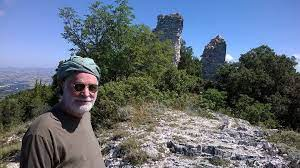
Photo by Gustavo Piccinini

"In peace and  silence everything manifests itself" (Saul Arpino)

Usually the image of noise is linked to work activities, one thinks of a hammering of metal sheets, blows of axes, hissing engines, traffic, howling of sirens .... Just thinking about it makes you feel annoyed both in smell and in hearing! But it is above all the "fun noise" that is irritating and harmful even if it is considered a source of delight and exaltation. I am obviously referring to the decibels of the spielers blasted by racing cars, emerging from the doors of ambiguous clubs, from the windows of houses with televisions on day and night, from the stereos of street vendors, from the hard rock cadences of discos and private clubs, etc. etc. 

What are the consequences on the mind and on the human body of these cadences issued relentlessly? The electroencephalogram shows slowing of rhythms, alterations in the electrical activity of nerve cells, reduction of reflexes and memory, excitability and lack of adequate responses to contingent situations, even some forms of headache can be linked to acoustic trauma. Undergoing excessive noise leads to urinary and menstrual disorders, fertility and libido are also affected.

People who live or work in noisy environments are the most prone to phenomena such as hypertension or the sudden elevation of blood pressure, at risk above all people subject to cardiovascular problems. In fact, some laboratory tests have shown that if patients are subjected to a noise of 90 decibels for 10 minutes, they show evident changes in the electrocardiogram.

In short, excess noise is pure poison for man!

"Blessed are those who are in Paupasia .." But perhaps they too are now enslaved by the headset ...!

The background noise to which we are exposed should not exceed 60 decibels but it is a limit that is widely exceeded both in Italy and abroad. All this noise as well as leading to the aforementioned disorders also has other inconvenient consequences: it makes the ear unaccustomed to listening. In fact, noise pollution leads us to ignore (at the conscious level) those sounds that our hearing cannot bear, which is a kind of deafness or psychological distraction. Today, the simple reduction (soundproofing) of emissions is opposed to fight the hell of the "din", but this is a merely negative approach.

Instead, we must ensure that studies on environmental acoustics have a positive value. What are the sounds that we intend to privilege, preserve, multiply? To understand this we must learn to choose the noise to which to submit. We can begin by discriminating between voluntary listening to our favorite melody and the pounding of indirect music. This awareness will certainly not prevent us from listening to indirect music, often given to us in the most subtle forms such as when you go to the supermarket or listen to strange music on the internet or televisions (and if you prefer), but it will still allow us to get used to it. to detachment and discernment so as not to fall victim to advertising charmers.

In fact, passive (ignorant) submission to indirect music is a source of cultural upheaval and mutation of customs (exactly what advertising wants ..). If we remain victims of this influence, music, which is the art closest to the spirit (having been born precisely as a function of spiritual nourishment) and pride of our millenary tradition, stops being something born to "illuminate" the human mind, cheering our life, but it becomes a source of confusion and alienation from life (something so pleasing to Satan).

Today, in a society where everything is materialistic consumption and appropriation, even music is a commodity to be "enjoyed" without restraint to the point of nausea and denial of harmony. “Men, so-called civilized, have become ferocious hearers but in reality they no longer know how to listen! They use sound as a stun drug, thus forgetting to enjoy the meaning and value of what is heard ”(Walter Maioli, ethnomusicologist).

As I said above, aboriginal cultures are also threatened by the ongoing musical massification, the sweet and deep music of the East, the Americas or Australia risks being irreparably contaminated by the vulgar wave of electronic and decadent sounds of western consumerist music. . "It is true that different civilizations can grow through hybridizations and contacts, this has always happened in the past, but they should be able to continue to evolve without undergoing an absolute and therefore unacceptable colonization" (Roman A. Vlad, musician).

In listening, therefore, it is not a question of contrasting elaborate music, rich in symbolic meanings, with popular and primitive music ... rather, at various levels, of underlining the profound and radical difference in purposes between a consumer product and works in which aesthetic research continues to be carried out.

And here we return to the problem of noise pollution ... (and not only in cities, since it now reigns everywhere) to discover that while an ever-growing audience submits itself, more or less voluntarily, to consumer music products, it imposes itself to The quality "listener" an excessive discriminatory effort and patience in order not to be involved and upset by the noise of mass broadcasting.

It is necessary to avoid that the melodic ability, which made man dream for millennia and which is now an emotional component of his spiritual life, falls victim to the musical "oilmen". The melody, which has silence as its basis, must not succumb to a perverse and sordid era, bewildered by every noise. The reverse risk, I said above, is the unconscious addiction to noise and the total loss of listening skills.

And I would now like to remind convalescents wishing for melodious cures of something we can do to recover the love for natural sounds. When we go to the countryside, on the bank of a river, in any natural environment, we accustom the ear to emptiness, we turn off any technological buzz, we do not speak, we let nature transmit its messages: the hum of a bee on flowers, the flicker of a sparrow's wing, a gust of wind among the leaves, the rustle of our footsteps on the path ... In this way we will feel a new harmony being born within us, which starts from the heart...

Paolo D’Arpini
P.R.  Italian Bioregional Network


Testo italiano:

"Nella pace e nel  silenzio tutto si manifesta" (Saul Arpino) 

Solitamente l’immagine che si ha del rumore è legata alle attività lavorative, si pensa ad un martellar di lamiere, colpi d’ascia, motori che sibilano, traffico, ululati di sirene…. Solo a pensarci ci si sente infastiditi sia nell’olfatto che nell’udito! Ma è soprattutto il “rumore da divertimento” che è irritante e dannoso anche se viene considerato fonte di delizia e di esaltazione. Mi riferisco ovviamente ai decibel delle tiritere strombazzate dalle auto in corsa, fuoriuscenti dalle porte di localacci ambigui, dalle finestre delle case con televisioni accesi giorno e notte, dagli stereo dei venditori ambulanti, dalle cadenze hard rock di discoteche e club privati, etc. etc.

Quali sono le conseguenze sulla mente e sul corpo umano di queste cadenze emesse senza sosta? L’elettroencefalogramma evidenzia rallentamento dei ritmi, alterazioni dell’attività elettrica delle cellule nervose, riduzione dei riflessi e della memoria, eccitabilità e mancanza di risposte adeguate alle situazioni contingenti, anche alcune forme di cefalea possono essere collegate a traumi acustici. Il sottoporsi a rumori eccessivi porta a disturbi urinari e mestruali, fertilità e libido ne risentono anch’esse.

Le persone che vivono o lavorano in ambienti rumorosi sono le più soggette a fenomeni quali l’ipertensione o l’improvvisa elevazione della pressione sanguigna, a rischio sono soprattutto le persone soggette a problemi cardiocircolatori. Alcuni test di laboratorio hanno infatti dimostrato che se sottoposti ad un rumore di 90 decibel per 10 minuti i malati presentano evidenti alterazioni nell’elettrocardiogrammma.

Insomma il rumore in eccesso è puro veleno per l’uomo!

“Beati quelli che stanno in Paupasia..” Ma forse pure loro sono ormai resi schiavi dall’auricolare… !

Il rumore di fondo al quale siamo esposti non dovrebbe superare i 60 decibel ma è un limiti ampiamente superato sia in Italia che all’estero. Tutto questo baccano oltre che portare ai disturbi sopra indicati ha anche altre disagevoli conseguenze: disabitua l’orecchio all’ascolto. Infatti l’inquinamento acustico ci porta ad ignorare (nel livello cosciente) quei suoni che il nostro udito non può sopportare, che è una sorta di sordità o distrazione psicologica. Oggi per combattere l’inferno del “baccano” si contrappone la semplice diminuzione (insonorizzazione) delle emissioni ma questo è un approccio meramente negativo.

Dobbiamo invece far sì che gli studi sull’acustica ambientale abbiano un valore positivo. Quali sono i suoni che intendiamo privilegiare, conservare, moltiplicare? Per capire questo discorso dobbiamo imparare a scegliere il rumore al quale sottoporci. Possiamo cominciare discriminando fra l’ascolto volontario della nostra melodia preferita ed il martellamento della musica indiretta. Questa presa di coscienza non ci potrà certo impedire l’ascolto della musica indiretta, spesso ammannitaci nelle forme più subdole come quando si va al supermercato o si ascoltano musiche strane su internet o televisioni (e dir si voglia), ma ci consentirà comunque di abituarci al distacco ed al discernimento in modo da non cadere vittime degli incantatori pubblicitari.

Infatti la sottomissione passiva (ignorante) alla musica indiretta è fonte di stravolgimento culturale e mutazione dei costumi (esattamente ciò che vuole la pubblicità..). Se restiamo vittime di questo influsso la musica, che è l’arte più vicina alla spirito (essendo nata proprio in funzione del nutrimento spirituale) ed orgoglio della nostra tradizione millenaria, smette di essere una cosa nata per “illuminare” la mente umana, allietando il nostro vivere, ma diventa fonte di confusione ed alienazione dalla vita (cosa tanto gradita a satana).

Oggi nella società in cui tutto è consumo ed appropriazione materialistica anche la musica è una merce di cui “godere” senza ritegno sino alla nausea ed alla negazione dell’armonia. “Gli uomini, cosiddetti civilizzati, sono diventati feroci uditori ma in realtà non sanno più ascoltare! Usano il suono come una droga stordente dimenticando così di godere del significato e del valore di quanto viene ascoltato” (Walter Maioli, etnomusicologo).

Come affermavo sopra anche le culture aborigene sono minacciate dalla massificazione musicale in corso, la musica dolce e profonda dell’oriente, delle Americhe o d’Australia rischia di restare contaminata irrimediabilmente dall’ondata volgare di suoni elettronici e decadenti della musicaccia occidentale di taglio consumista. “E’ pur vero che le diverse civiltà possono crescere attraverso ibridazioni e contatti, ciò è sempre avvenuto in passato, ma dovrebbero poter continuare ad evolversi senza subire una colonizzazione assoluta e perciò inaccettabile” (Roman A. Vlad, musicista). 

Nell’ascolto non si tratta perciò di mettere in contrapposizione la musica elaborata, ricca di significati simbolici, con quella popolare e primitiva… piuttosto, ai vari livelli, di sottolineare la profonda e radicale differenza delle finalità fra un prodotto di consumo ed opere in cui la ricerca estetica continua ad essere portata avanti.

E qui torniamo al problema dell’inquinamento acustico… (e non solo nelle città, poiché ormai esso impera ovunque) per scoprire che mentre un pubblico sempre più vasto si sottopone, più o meno volontariamente, ai prodotti musicali di consumo, s’impone per “l’ascoltatore” di qualità un eccessivo sforzo discriminatorio e di pazienza per non restare coinvolto e sconvolto dal rumore della diffusione di massa.

Occorre evitare che la capacità melodica, che fece sognare l’uomo per millenni e che è ormai una componente emozionale della sua vita spirituale, cada vittima dei “petrolieri” musicali. La melodia, che ha il silenzio come base, non deve infatti soccombere ad un’era perversa e sordida frastornata da ogni rumore. Il rischio inverso, dicevo sopra, è l’assuefazione inconscia al frastuono e la perdita totale della capacità di ascolto.

E vorrei ora ricordare ai convalescenti desiderosi di cure melodiose un qualcosa che possiamo fare per recuperare l’amore per i suoni naturali. Quando ci rechiamo in campagna, sulla riva di un fiume, in qualsiasi ambito naturale, abituiamo l’orecchio al vuoto, spegniamo ogni brusio tecnologico, non parliamo, lasciamo che la natura trasmetta i suoi messaggi: il ronzio di un’ape sui fiori, il guizzo d’ala di un passero, un refolo di vento tra le foglie, il fruscio dei nostri passi sul sentiero… In tal modo sentiremo nascere dentro di noi una nuova armonia, che parte dal cuore…

Paolo D’Arpini
Referente P.R. Rete Bioregionale Italiana

venerdì 29 aprile 2022

Lay spiritual research. Starting from the "person" - Ricerca spirituale laica. Partendo dalla “persona”


I kept the following writing for some time in the drawer, as they say, to make it decant and therefore make it more solid and understandable. Not that he changed a few words, no, it's absolutely the same as when I left him there to rest ... but I think that pause in the limbo of memory was enough to make it more intelligible, especially to myself. I say this because in truth I don't even know exactly what comes out of this keyboard, sometimes thoughts and words are transcribed but they are unknown to me, I only know them when they appear in front of the screen.


The purpose of the paper is to clarify some basic concepts on what I call "Secular Spirituality" which is certainly not a new philosophy, absolutely not! It is simply a way of expressing something that was already there, on my personalized way home.


Out of a kind of sympathy that I perceive towards all the people with whom I can share emotions and feelings, I thought it could be useful (for me and for them) to clarify some aspects of self-knowledge that still apply to the person. Since (in any case) we must start from the person as the depositary of the first spark of Consciousness from which everything derives. Therefore I do not want to diminish the value of this person, and like "this" also all the others who patiently follow and precede.


Knowing the embodied characteristics, knowing how to identify the drives that distinguish our person, is certainly useful in order not to be fooled by the mind, in order not to fall into the trap of false identity. In fact, everything that can be described cannot be "us" but only the functional structure of the body / mind (in which we recognize ourselves). This psycho-physical apparatus is the result of the mixture of natural forces (or elements) and psychic qualities (which are expressions of the elements). In the multiform interconnection of these energies the infinite beings take shape…. Even if - in truth - they are not "forces" or "beings" but a single force and a single being that takes on various aspects during its unfolding in space-time.


But here it is necessary to describe the "separative capacity" (maya - yin and yang) that produces the illusion of diversity. It is the first concept that is formed in the mind (in fact it is the mind itself) simultaneously with the appearance of the thought "I". Attention it is not about the Absolute I, Being and being aware of it beyond any identification, it is instead the first conscious reflection (of this I) in the mind and which allows the objectification and perception of exteriority through the senses. In this way the dissociative mechanism of "I am this" is implemented and what is observed "is other". Thus the dualism takes on a semblance of reality and is corroborated by the consequential causality of the transformations that unfold in space / time. The dual formative process is easy to identify by the shrewd intellect (in the sense of attentive) but this consideration is still within the mirror reflection of the mind, so from the point of view of Absolute Knowledge also this explanation (or understanding) it is futile, perhaps unnecessary and perhaps even misleading ... (due to the appropriative tendency of specular thinking) and here I return to the need to know one's own mind in order not to be deceived by its empirical lucubrations, that is, aimed at demonstrating an objective reality.


Someone might ask at this point: “… So why write all this? Why read it? " - But the answer is trivial, sometimes before throwing out the garbage we feel the need to examine it in every detail so as not to have any regrets ... Unfortunately, in years and years of low flight we have developed a strong attachment to the ballast ...!


Paolo D’Arpini


Post Scriptum

The individual conscience is in constant movement and evolution, following the different ways of development of society or the historical periods in which human events are manifested. Each transition resembles the passing of a learning level, a bit like it happens in the DNA spiral. Consciousness, in this case better to define it as mind, moves from the simplest to the most complex expressions. A sort of testimony-memory of the various sophisticated processes of life.


Testo Italiano: 


Ho tenuto lo scritto che segue per un po' di tempo nel cassetto, come si dice, per farlo decantare e renderlo quindi più solido e comprensibile. Non che abbia cambiato qualche parola, no, è assolutamente lo stesso di quando l'ho lasciato lì a riposare ... ma credo che quella sosta nel limbo della memoria sia stata sufficiente per renderlo più intellegibile, soprattutto a me stesso. Dico così perché in verità non so bene nemmeno io quello che esce da questa tastiera, a volte i pensieri e le parole vengono trascritte ma mi sono sconosciute, le conosco solo nel momento in cui appaiono davanti sullo schermo.


Lo scopo dello scritto è quello di mettere in chiaro alcuni concetti base su ciò che io chiamo "Spiritualità Laica" che non è certo una nuova filosofia, assolutamente no! Semplicemente è un modo di esprimere qualcosa che c'era già, nella mia via personalizzata del ritorno a casa.


Per una sorta di simpatia che percepisco verso tutte le persone con le quali riesco a condividere emozioni e sentimenti ho pensato che potesse essere utile (per me e per loro) chiarire alcuni aspetti dell'auto conoscenza che ancora si rivolgono alla persona. Poiché (comunque) dalla persona dobbiamo partire in quanto depositaria della prima scintilla di Coscienza dalla quale tutto deriva. Non voglio perciò sminuire il valore di questa persona, e come "questa" anche tutte le altre che pazientemente seguono e precedono.


Conoscere le caratteristiche incarnate, saper individuare le pulsioni che contraddistinguono la nostra persona, è sicuramente utile per non farci imbrogliare dalla mente, per non cadere nella trappola della falsa identità. Infatti tutto ciò che può essere descritto non può essere “noi” ma solo la struttura funzionale del corpo/mente (nella quale ci riconosciamo). Questo apparato psico-fisico è il risultato della commistione di forze naturali (od elementi) e di qualità psichiche (che degli elementi sono espressione). Nella multiforme interconnessione di queste energie gli infiniti esseri prendono forma…. Anche se –in verità- non si tratta di “forze” né di “esseri” bensì di una singola forza e di un solo essere che assume vari aspetti durante il suo svolgersi nello spazio-tempo.


Ma qui occorre descrivere la “capacità separativa” (maya – yin e yang) che produce l’illusione della diversità. Essa è il primo concetto che si forma nella mente (in effetti è la mente stessa) contemporaneamente all’apparire del pensiero “io”. Attenzione non si tratta dell’Io Assoluto, l’Essere ed esserne coscienti aldilà di ogni identificazione, si tratta invece del primo riflesso cosciente (di tale Io) nella mente e che consente l’oggettivazione e la percezione dell’esteriorità attraverso i sensi. In tal modo si attua il meccanismo dissociativo di “io sono questo” e quel che viene osservato “è altro”. Così il dualismo assume una sembianza di realtà e viene corroborato dalla causalità consequenziale alle trasformazioni che si srotolano nello spazio/tempo. Il processo formativo duale è di facile individuazione da parte dell’accorto intelletto (nel senso di attento) ma questa considerazione è ancora all’interno del riflesso speculare della mente, per cui dal punto di vista della Conoscenza Assoluta anche questa spiegazione (o comprensione) è futile, forse innecessaria e magari addirittura fuorviante… (a causa della tendenza appropriativa del pensiero speculare) e qui ritorno alla necessità di conoscere la propria mente per non rimanere ingannati dalle sue elucubrazioni empiriche, tese cioè a dimostrare una realtà oggettiva.


Qualcuno potrebbe chiedersi a questo punto: “…Allora perché scrivere tutto ciò? Perché leggerlo?” – Ma la risposta è banale, talvolta prima di gettare l’immondizia sentiamo il bisogno di esaminarla in ogni particolare in modo da non aver poi rimpianti… Purtroppo in anni ed anni di volo basso abbiamo sviluppato un forte attaccamento alla zavorra…!


Paolo D’Arpini


Post Scriptum


La coscienza individuale è in costante movimento ed evoluzione, seguendo i diversi modi di sviluppo della società od i periodi storici nei quali si manifestano le vicende umane. Ogni transizione assomiglia al superamento di un livello d’apprendimento, un po’ come succede nella spirale del DNA. La coscienza, in questo caso meglio definirla mente, si muove dalle espressioni più semplici a quelle più complesse. Una sorta di testimonianza-memoria dei vari processi sofisticati della vita.


sabato 9 aprile 2022

Nel bioregionalismo tutto è espressione di un unico corpo vivente - In bioregionalism everything is the expression of a single living body


Tutti noi bioregionalisti  riconosciamo la nostra identità locale nel luogo in cui siamo nati o viviamo. Quindi bioregionalista può essere anche una persona che non è nata nel luogo, ma che vivendolo lo riconosce come un’espressione di sé. A quel punto si integra completamente nel luogo. Ma non solo nel luogo, anche nella comunità con cui vive. E non solo quella umana, ma di tutti gli esseri viventi che vi partecipano. Per questo chiunque può essere bioregionalista in qualsiasi luogo, perché è soltanto un’apertura verso la presenza nel luogo e nel momento  in cui ci viviamo.

Per questa ragione  noi bioregionalisti organizziamo le celebrazioni dei vari equinozi e solstizi… ci sono determinati momenti dell’anno che vanno riconosciuti come importanti. Però non gli diamo un’importanza assoluta in quanto riconoscimento di una qualche divinità naturalistica. È soltanto un percorso da celebrare per essere felici di poter vivere nel momento in cui siamo. Un modo per riconoscere che altri, più belli o più brutti, hanno comunque un loro significato e valore.

La maggior parte della gente, soprattutto quelli che fanno riti un po', diciamo così, newage, magari preferisce festeggiare il solstizio d’estate, ricordare i Celti, Stone Ange e tutte le cose di quel genere, per contemplare la bellezza del sole nella sua pienezza. Ma altrettanto importante, chiaramente, è il solstizio invernale perché dopo la vita che si è richiusa ad approfondire le radici, risorge e pian piano ritorna ad esprimersi. Oppure l’equinozio di primavera, dove la vita ci riporta ad una bellezza. O quello d’autunno dove condividiamo la consapevolezza che la bellezza ha un grande valore.

Se in primavera di questo valore non ce ne rendiamo conto perché tutto quanto fiorisce, in autunno le cose che cominciano pian piano a scemare, hanno un significato più forte. Non a caso si dice che proprio l’autunno è il momento per la raccolta dei frutti migliori dell’uomo, per l’uomo. Come ad esempio la vite e l’ulivo. L’ulivo è simbolo di vita in assoluto, la vite rappresenta  il senso dello spirito.

Noi siamo espressioni di un grande corpo  vivente.  Questo grande corpo non è soltanto la terra. Di solito  ci occupiamo del pianeta Terra, Gaia, come una forma vivente unificata.  Allo stesso tempo l’ecologia profonda compie un passo verso quello che potremmo definire anche panteismo,  dove tutto quanto ciò che è Uno e si manifesta in ciò che è in tutte le forme.

Paolo D'Arpini - Rete Bioregionale Italiana


English translation

All of us bioregionalists recognize our local identity in the place where we were born or live. Therefore, a bioregionalist can also be a person who was not born in the place, but who, living it, recognizes it as an expression of himself. At that point it integrates completely into the place. But not only in the place, also in the community with which he lives. And not only the human one, but of all living beings who participate in it. For this reason, anyone can be a bioregionalist in any place, because it is only an opening towards the presence in the place and moment in which we live.

For this reason we bioregionalists organize the celebrations of the various equinoxes and solstices ... there are certain moments of the year that must be recognized as important. But we do not give it absolute importance as a recognition of some naturalistic divinity. It is just a journey to celebrate in order to be happy to be able to live in the moment we are. A way to recognize that others, more beautiful or uglier, still have their own meaning and value.

Most people, especially those who do rituals of a little, shall we say, Newage, maybe they prefer to celebrate the summer solstice, remember the Celts, Stone Ange and all things like that, to contemplate the beauty of the sun in the its fullness. But equally important, of course, is the winter solstice because after the life that has closed itself to deepen its roots, it rises again and slowly returns to express itself. Or the spring equinox, where life brings us back to beauty. Or the autumn one where we share the awareness that beauty has a great value.

If in the spring we do not realize this value because everything blooms, in the autumn the things that slowly begin to wane, have a stronger meaning. It is no coincidence that it is said that autumn is the time for harvesting the best fruits of man, for man. Such as the vine and the olive tree. The olive tree is an absolute symbol of life, the vine represents the sense of the spirit.

We are expressions of a great living body. This great body is not just the earth. We usually deal with the planet Earth, Gaia, as a unified living form. At the same time, profound ecology takes a step towards what we could also define pantheism, where everything that is One and manifests itself in what is in all forms.

Paolo D'Arpini - Italian Bioregional Network

giovedì 24 marzo 2022

Autoconoscenza senza separazione tra soggetto ed oggetto... - Self-knowledge without separation between subject and object


L'io individuale (ego) sorge dal riflesso della coscienza nello specchio della mente. Una sovrimposizione identificativa con l'oggetto osservato. L'oggetto è lo stesso corpo-mente che reagisce in relazione (al contatto) con gli altri oggetti esterni. Nel momento in cui, nell'autoconoscenza, l'identità fittizia con l'agente scompare, quel che resta è la pura consapevolezza del Sé. Non è perciò necessario, al fine della realizzazione, che le immagini (il mondo e l'osservatore) scompaiano: è sufficiente che la falsa identità con l'oggetto/soggetto riflesso (ego) scompaia. Ciò significa che il mondo può tranquillamente continuare a manifestarsi non essendo percepito come realtà separata, più o meno come potrebbe esserlo un sogno rispetto al sognatore. A questo punto il Sé e la sua manifestazione sono visti come la stessa identica cosa mentre il senso dell'io separativo (del me e dell'altro) viene obliterato. In fondo il dualismo è soltanto ignoranza.

Il saggio osserva le azioni svolgersi senza che vi sia alcuna propensione o intenzione o giudizio in lui. Spontaneamente ogni cosa avviene confacentemente e conseguentemente al destino designato. Il destino è la risposta alla naturale interazione (e predisposizione) dei vari elementi coinvolti. Siccome tutto succede automaticamente, non vi è alcuna preferenza nell'agire del saggio. Anzi il suo stesso agire è (apparentemente) intenzionale solo agli occhi degli altri, giacché per il saggio ogni cosa avviene di per sé. Ogni evento vissuto accade semplicemente in sua presenza e lui ne è il testimone silenzioso e distaccato. Il suo agire (o stato) può essere paragonato al sonnambulismo, o al sonno da sveglio. Inoltre anche il concetto di destino e di azione ha un senso unicamente nella mente dell'osservatore ancora identificato con l'esterno, ovvero di un ego che si identifica con l'agente e con le sue azioni. Ma nel momento, come già detto, che tale identificazione è distrutta ogni altro concetto collegato scompare. La saggezza consiste nel rimanere immune dall'illusione dopo aver compresa la verità. La paura dell'agire e delle sue conseguenze (karma) permane solo in chi vede la pur minima differenza fra sé e l'altro. Finché esiste l'idea che il corpo/mente è l'io non si può essere espressione di verità.

E'  possibile per chiunque, in ogni condizione, conoscere la propria vera natura poiché essa è assolutamente vera e reale, è l'unicum per ognuno. Infatti lo stato di puro Essere, Sé o Atman,  è comune a tutti ed è la diretta esperienza di ciascuno. Vivere la propria vera natura, questo si intende per auto-realizzazione, poiché il Sé è presente qui ed ora. Dal punto di vista empirico identificarsi con l'agente (ego) è un impedimento al buon funzionamento dell'apparato psicosomatico, nel contesto del funzionamento globale. Già l'accettazione intellettuale della verità è una forma liberatoria dalla propensione intenzionale (razionale) ad identificarsi con uno specifico personaggio che si muove assieme agli altri nel sogno del mondo.

Paolo D'Arpini


Testo inglese

The individual I (ego) arises from the reflection of consciousness in the mirror of the mind. An identifying superimposition with the observed object. The object is the body-mind itself which reacts in relation (to contact) with other external objects. When, in self-knowledge, the fictitious identity with the agent disappears, what remains is the pure awareness of the Self. It is therefore not necessary, for the purpose of realization, that the images (the world and the observer) disappear: it is sufficient for the false identity with the reflected object / subject (ego) to disappear. This means that the world can safely continue to manifest itself not being perceived as a separate reality, much like a dream could be compared to the dreamer. At this point the Self and the manifestation of him are seen as the exact same thing while the sense of the separative self (of the me and the other) is obliterated. Ultimately dualism is only ignorance.

The sage observes the actions unfolding without there being any propensity or intention or judgment in him. Spontaneously everything happens in harmony and consequently to the destined destiny. Destiny is the response to the natural interaction (and predisposition) of the various elements involved. Since everything happens automatically, there is no preference for the wise man's actions. Indeed, his own action is (apparently) intentional only in the eyes of others, since for the wise everything happens by itself. Every event experienced simply happens in his presence and he is the silent and detached witness. His acting (or state) can be compared to sleepwalking, or to sleep when awake. Furthermore, even the concept of destiny and action has a meaning only in the mind of the observer who is still identified with the outside, or rather of an ego that identifies with the agent and with his actions. But the moment, as already said, that this identification is destroyed, every other connected concept disappears. Wisdom is about staying immune from delusion after understanding the truth. The fear of action and its consequences (karma) remains only in those who see even the slightest difference between oneself and the other. As long as the idea exists that the body / mind is the ego, one cannot be an expression of truth.

It is possible for anyone, in any condition, to know their true nature since it is absolutely true and real, it is the unicum for everyone. In fact the state of pure Being, Self or Atman, is common to all and is the direct experience of each one. Living one's true nature, this is meant by self-realization, as the Self is present here and now. From the empirical point of view, identifying with the agent (ego) is an impediment to the proper functioning of the psychosomatic apparatus, in the context of global functioning. Already the intellectual acceptance of the truth is a liberating form from the intentional (rational) propensity to identify with a specific character who moves together with the others in the dream of the world.

Paolo D'Arpini


mercoledì 23 marzo 2022

"City, region, bioregion" - Proposals for territorial aggregation in a bioregional key - "Città, regione, bioregione" - Proposte di aggregazione territoriale in chiave bioregionale


Over the years, the Italian Bioregional Network has made various proposals for administrative reorganization in a bioregional key, especially for central Italy. In particular, since the Network was born in the province of  Viterbo (in Acquapendente in 1996) and being at that time, referent of the Tuscia bioregion and resident in Calcata, located on the edge of the Province of Viterbo, I took care of promoting the bioregional idea in particular at the institutions of the metropolitan area of ​​Rome and the Lazio Region. 

(see: https://www.google.com/search?q=proposte+bioregionale+di+Paolo+D%27Arpini&oq=proposte+bioregionale+di+Paolo+ D% 27Arpini & aqs = chrome..69i57j33i160.10916j1j15 & sourceid = chrome & ie = UTF-8).

By way of example, here are some of the proposals made during the Round Table "City region bioregion" which was held in Faleria on 4 October 2008:

1) Aggregation of homogeneous and culturally related areas of upper Lazio and Umbria, in anticipation of the establishment of the Region of Rome Capital. In this context, the formation of a new bioregion, called Etruria, is envisaged, integrating the historic provinces of Viterbo, Rieti, Perugia and Terni with the new provincial formations of Agro Falisco (Civita Castellana), Bassa Maremma (Civitavecchia) and Bassa Sabina (Monterotondo) ), this union would result in a Region with ample resources and development possibilities.

2) Socio-economic programmatic analysis for the new Region of Etruria with a view to maintaining potential, examining the necessary downsizing of polluting dependencies functional to the satisfaction of metropolitan needs. The territory asks for autonomy and even the metropolitan city must self-regulate towards an ecological subsistence, which takes into account the osmotic presence of the surrounding territory.

3) Aggregation of small municipalities into more significant legal entities, for administrative facilitation and savings in general expenses, for an improvement of services and optimization of shared resources, in this sense we give the example of Calcata and Faleria which in fact are absolutely united, both from the urban planning point of view and from the territorial morphological point of view.

During the last day of the conference, October 5, 2008, other environmental and cultural proposals were made, such as the expansion of the protected area of ​​the Treja Valley, including all the municipalities of the catchment area and gorges. Such as the improved integration and coordination of ceramic production activities. Like the enhancement of environmental resources as a shared wealth and green lung necessary for the livability of Rome to exist. Such as the promotion of recreational, artistic, craft and culinary activities that guarantee ecological livability, tourist attractiveness and economic autonomy. Such as the defense of natural agricultural production and the safeguarding of original seeds. And much more ...

Paolo D'Arpini


Testo italiano: 

La Rete Bioregionale Italiana nel corso degli anni ha avanzato diverse proposte per la riorganizzazione amministrativa in chiave bioregionale, soprattutto per il centro Italia. In particolare, essendo la Rete nata in provincia di Viterbo (ad Acquapendente nel 1996) ed essendo io a quel tempo, referente della bioregione Tuscia e residente a Calcata, situata ai limiti della Provincia viterbese, mi occupai di promuovere l'idea bioregionale  in particolare presso le istituzioni  dell'area metropolitana di Roma e della Regione Lazio (vedi: https://www.google.com/search?q=proposte+bioregionali+di+Paolo+D%27Arpini&oq=proposte+bioregionali+di+Paolo+D%27Arpini&aqs=chrome..69i57j33i160.10916j1j15&sourceid=chrome&ie=UTF-8).  

A titolo esemplificativo qui di seguito riporto alcune delle proposte avanzate durante la Tavola Rotonda "Città regione bioregione" che si tenne a Faleria il 4 ottobre 2008:

1)      Aggregazione delle aree omogenee e culturalmente affini dell’alto Lazio ed Umbria, in previsione della costituzione della Regione di Roma Capitale. In questo contesto si prefigura la formazione di una nuova bioregione, chiamata Etruria,   integrando le province storiche di Viterbo, Rieti, Perugia e Terni con le  nuove formazioni provinciali di  Agro Falisco (Civita Castellana),  Bassa Maremma (Civitavecchia) e Bassa Sabina (Monterotondo), da questa unione  ne risulterebbe una Regione dalle  ampie risorse e possibilità di sviluppo.

2)      Analisi programmatica  socio-economica  per la nuova Regione Etruria   in chiave di mantenimento delle potenzialità,  esaminando il necessario ridimensionamento delle dipendenze inquinanti funzionali alla soddisfazione delle esigenze metropolitane. Il territorio chiede autonomia e anche la città metropolitana deve autoregolamentarsi verso una sussistenza ecologica, che tenga conto della presenza  osmotica del territorio circostante.

3)      Aggregazione dei piccoli comuni in entità giuridiche più significative, per una facilitazione amministrativa e risparmio nelle spese generali, per un miglioramento dei servizi ed ottimizzazione delle risorse condivise, in tal senso si porta l’esempio di Calcata e Faleria che di fatto sono assolutamente unite, sia dal punto di vista urbanistico che dal punto di vista morfologico territoriale.

Durante  l’ultimo giorno del convegno, il 5 ottobre 2008,  furono  avanzate altre proposte ambientali e  culturali, come ad esempio l’ampliamento dell’area protetta della Valle del Treja, comprendendovi tutti i comuni del bacino imbrifero e delle forre. Come l’integrazione migliorativa ed il coordinamento delle attività produttive ceramiche. Come la valorizzazione delle risorse ambientali in quanto ricchezza condivisa e  polmone verde necessario alla sussistenza della vivibilità di Roma. Come la promozione di attività ludiche, artistiche, artigianali e culinarie che garantiscano vivibilità ecologica,  appetibilità turistica ed autonomia economica. Come la difesa della produzione agricola naturale e la salvaguardia delle sementi originarie. Ed altro ancora...

Paolo D'Arpini

venerdì 18 marzo 2022

Water, source of life, and the basic values ​​of true "bioregionalism" ... - Acqua, fonte di vita, ed i valori di fondo del vero "bioregionalismo"...


The source of all life is water, which is why it is important that this element is not polluted, thus becoming a bearer of death. The first human cultures that recognized the value and archetypal significance of Water, are the Vedic one of India, which declares that the source of creation is Water, and the very ancient Chinese civilization, both dating back to millennia before. Christ.

In particular, in the ancient Chinese Book of Changes (I Ching), the element of Water is responsible for communication. From it, life is born and preserved, thanks to its properties of containing information "dissolved" in itself and being absorbed, thus intimately becoming part of the various substances, water is the element of "communication" of information same.

This is where the sacredness of water comes from: it can bring Light back to Earth, the ecological balance, just as it can transmit to Heaven everything we do on Earth. Considering that this element guarantees the survival of every living being on the planet, we can (and must) hope that the desirable ecological change that we all expect will finally manifest itself.

The Earth has the ability to be fertilized, allowing life to sprout, absorbing water, conveying it where it is needed, keeping it in the hollows. Life is born where the Earth knows how to welcome Water in her womb. The conservation of water in the recesses is an action in keeping with the Earth ... but not with avarice but with the ability to "refresh" when needed, as a well does for the thirsty.

In this regard, in the I Ching hexagram N ° 48 Il Pozzo .... in the Image it says: "Above the wood there is water. The image of the Well. Thus the nobleman animates the people during their work and urges them to help each other ".

And again, in the comment: "... the well is an image of the social organization of humanity regarding the basic necessities of life, which are independent of any political formation. Political formations, nations change, but man's life with his requests remains the same ... but this life is also inexhaustible. The bloodlines come and go and they all enjoy life in its inexhaustible copy. However different the talents and culture of men are, human nature in its foundations is the same in everyone and everyone can, cultivating himself, draw from the inexhaustible source of the divine nature of the human essence".

These wonderful words make us think about what are the primary needs of the human being, and of all living beings, basically: to feed themselves, have shelter, reproduce, relate, communicate, each according to their own nature. And with regard to culture (and therefore also of communication, that is to say of what one wishes to transmit) this hexagram of the Book of Changes always says another very important thing: "one must pay attention to the danger that, by taking care of one's own culture, one does not penetrate to the roots of humanity, getting entangled in conventional interests ".

The advice of the I Ching is to see the things that flow in front of the senses: sight, hearing, taste, smell, touch, using one's discrimination and sensitivity as if it were a sixth sense, rethinking the things experienced and those that remain from to live.

What are we human beings doing, are we or are we not in tune with all these beautiful phrases? Are we aware of what this deep, divine nature of being is? And what are the needs of man? Have we not lost sight, perhaps, that life lived in an essential way, simply taking care of those "primordial" needs, would be more joyful, devoid of the anxieties of today's man? Do we not give too much attention perhaps to uses and conventions such as what we must always have more, but also be more, and do more? Don't we all try to have something to say, to explain, to teach others, believing that our own life choice is the right one, the most acceptable, the most correct, the most ethical one? Wouldn't it be better to let the spontaneous manifestation of our being flow into what can and wants to express itself and simply enjoy Life, reciprocally with the rest of the world?

Of course, man has something more than other animals, he has a self-awareness that sometimes there is also a bit of weight, which makes us experience the present less and the past more, whose positive sides we regret. and we exclude the negative ones (even considering that everything is relative) and the future, in which we place hopes, desires and sometimes utopian projections.

This awareness, however, is also helpful, it can keep us company, it can make us live life fully in communion with other beings, making us grasp nuances that we would otherwise overlook and which we would never realize ...

Here are the basic values ​​of true "bioregionalism" ...

Paolo D'Arpini - Italian Bioregional Network


Testo Italiano: 

La fonte di tutta la vita è l'acqua, per questo è importante che questo elemento non sia inquinato divenendo così portatore di morte. Le prime culture umane che riconobbero il valore ed il significato archetipale dell’Acqua, sono quella Vedica dell'India, in cui si dichiara che la sorgente della creazione è l'Acqua, e l'antichissima civiltà cinese, entrambe risalenti a millenni ante-Cristo.

In particolare, nell'antichissimo Libro dei Mutamenti cinese (I Ching), l'elemento Acqua è preposto alla comunicazione. Da esso nasce e si conserva la vita, grazie alle sue proprietà di contenere “disciolte” in sé le informazioni e di essere assorbita, entrando così intimamente a far parte delle diverse sostanze, l’acqua è l’elemento di “comunicazione” delle informazioni medesime.

Ecco da dove nasce la sacralità dell’acqua: può riportare in Terra la Luce, l’equilibrio ecologico, così come può trasmettere al Cielo tutto quello che noi facciamo in Terra. Considerando che questo elemento garantisce la sopravvivenza di ogni essere vivente sul Pianeta possiamo (e dobbiamo) ben sperare che l’auspicabile cambiamento in chiave ecologica che tutti ci attendiamo possa infine manifestarsi.

La Terra ha la possibilità di essere fecondata, consentendo alla vita di germogliare, assorbendo l’acqua, convogliandola dove serve, conservandola negli incavi. La vita nasce ove la Terra sa accogliere l’Acqua nel suo grembo. La conservazione dell’Acqua nei recessi è una azione consona alla Terra... ma non con avarizia bensì con la capacità di “rifocillare” al momento del bisogno, come fa un pozzo per l’assetato.

A questo proposito nell’I Ching l’esagramma N° 48 Il Pozzo…. nell’Immagine dice: “Sopra il legno vi è l’acqua. L’immagine del Pozzo. Così il nobile anima il popolo durante il lavoro e lo esorta all’aiuto reciproco”.

Ed ancora, nel commento: “…il pozzo é un’immagine dell’organizzazione sociale dell’umanità riguardante le basilari necessità della vita, che sono indipendenti da qualsiasi formazione politica. Le formazioni politiche, le nazioni mutano, ma la vita dell’uomo con le sue richieste, rimane la stessa… questa vita però é anche inesauribile. Le stirpi vanno e vengono ed esse tutte fruiscono della vita nella sua inesauribile copia. Per quanto diversi siano i talenti e la cultura degli uomini, la natura umana nei suoi fondamenti é la medesima in ognuno ed ognuno può, coltivandosi, attingere all’inesauribile fonte della natura divina dell’essenza umana”.

Queste meravigliose parole, fanno pensare a quali sono i bisogni primari dell’essere umano, e di tutti gli esseri viventi, in fondo: nutrirsi, avere un riparo, riprodursi, mettersi in relazione, comunicando, ognuno secondo la propria natura. Ed a proposito della cultura (e quindi anche della comunicazione, cioé di quello che si desidera trasmettere) sempre questo esagramma del Libro dei Mutamenti dice un’altra cosa importantissima: "bisogna fare attenzione al pericolo che, curando la propria cultura, non si penetri fino alle radici dell’umanità, rimanendo impigliati negli interessi convenzionali".

Il consiglio dell’I Ching è quello di vedere le cose che scorrono davanti ai sensi: vista, udito, gusto, olfatto, tatto, usando la propria discriminazione e sensibilità come fosse un sesto senso, ripensando alle cose vissute ed a quelle che restano da vivere.

Che stiamo facendo noi esseri umani, siamo o non siamo in sintonia con tutte queste belle frasi? Siamo consapevoli di quale sia questa natura profonda, divina, dell’essere? E di quali sono le necessità dell’uomo? Non abbiamo perso di vista, forse, che la vita vissuta in maniera essenziale, badando semplicemente a quei bisogni “primordiali”, sarebbe più gioiosa, priva delle angoscie dell’uomo di oggi? Non diamo troppo bado forse ad usi e convenzioni quale quello che dobbiamo sempre avere di più, ma anche essere di più, e fare di più? Non cerchiamo tutti di avere qualcosa da dire, da spiegare, da insegnare agli altri, credendo che la nostra propria scelta di vita sia quella giusta, quella più condivisibile, più corretta, più etica? Non sarebbe meglio lasciar fluire la manifestazione spontanea del nostro essere in quel che può e vuole esprimersi e godere semplicemente, reciprocamente con il resto del mondo, della Vita?

Certo l’uomo ha qualcosa in più rispetto ad altri animali, ha una consapevolezza di sé che a volte ci é anche un po’ di peso, che ci fa vivere di meno il presente e di più il passato, di cui rimpiangiamo i lati positivi ed escudiamo quelli negativi (pur considerando che tutto é relativo) ed il futuro, in cui riponiamo speranze, desideri e proiezioni a volte utopiche.

Questa consapevolezza però ci é anche di aiuto, ci può fare compagnia, ci può far vivere pienamente la vita in comunione con gli altri esseri, facendoci cogliere sfumature su cui altrimenti sorvoleremmo e di cui non ci renderemmo mai conto…

Ecco i valori di fondo del vero "bioregionalismo"...

Paolo D'Arpini - Rete Bioregionale Italiana

lunedì 14 marzo 2022

Twice born... - Due volte nato


... all thoughts are fleeting and ephemeral but some positively represent "that force" that will subsequently push the "person" to implement what is established in his destiny. Meditation allows you to clarify what are simple imaginary projections or invented problems and those thoughts that instead define in germ "the coming" ... what must happen.

The creation of "fictitious" problems is one aspect of the mind. At the basis of worldly concerns - obviously - there is always a sense of responsibility for our actions due to identification with the body-mind.

The process of individualization of consciousness is the very function of the mind. The mind is the reflecting capacity of consciousness that takes on the task of objectification and therefore of the creation of the so-called world of forms. Externalization is its tendency.

Yet it is not a definitive or irreparable condition, even the most negative feelings can be transcended. The worldly worries that assail us are the result of the mental mechanism that projects attention on external factors, desires and fears, and it is for this reason that in meditation it is advisable to fix the attention on awareness, on the subject, ignoring mental apparitions, which are only "impediments" (distractions) that arise from an inveterate habit of externalization, not taking them into account means remaining quiet while keeping the observer in himself.

Personally I have had great luck in life. I consider this body and mind of mine to be extremely blessed and holy because through them I had the opportunity to meet a great Master who gave my existence true meaning. By showing me how detachment and at the same time attention are important for staying focused on the Self .... in self-awareness.

"Twice born" is said of one who is born to the Spirit. And to no particular merit on my part this happened when I met in 1973 my spiritual father, Swami Muktananda, who awakened my individual consciousness to awareness of Self.

"Meditate on your Self, seek your Self, bow to your Self, honor your Self, worship your Self, since God lives in you, it is you ..!" This is the profound and liberating message that he transmitted to me and through which I was reborn in the Spirit.

Baba Muktananda left his body on October 2, 1982, with which I was "orphaned" ...? But no ... I actually discovered the constant presence of him inside me ...

Paolo D’Arpini


Testo Italiano:

…tutti i pensieri sono passeggeri ed effimeri ma alcuni rappresentano positivamente “quella forza” che spingerà successivamente la “persona” ad attuare quanto è stabilito nel suo destino. La meditazione consente di far chiarezza fra quelle che sono semplici proiezioni immaginarie o problemi inventati e quei pensieri che invece definiscono in germe “il veniente”… ciò che deve accadere.

La creazione di problemi “fittizi” è uno degli aspetti della mente. Alla base delle preoccupazioni mondane –ovviamente- c’è sempre il senso di responsabilità per le nostre azioni dovuto all’identificazione con il corpo-mente.

Il processo dell’individualizzazione della coscienza è la funzione stessa della mente. La mente è la capacità riflettente della coscienza che assume su di sé il compito dell’oggettivazione e quindi della creazione del cosiddetto mondo delle forme. L’esteriorizzazione è la sua tendenza.

Eppure non è una condizione definitiva o irreparabile, anche le sensazioni più negative possono essere trascese. Le preoccupazioni mondane che ci assalgono sono frutto del meccanismo mentale che proietta l’attenzione sui fattori esterni, desideri e paure, ed è per questa ragione che nella meditazione si consiglia di fissare l’attenzione sulla consapevolezza, sul soggetto, ignorando le apparizioni mentali, che son solo “impedimenti” (distrazioni) che sorgono per inveterata abitudine all’esternalizzazione, non tenerne conto significa restare quieti mantenendo l’osservatore in se stesso.

Personalmente ho avuto una grande fortuna nella vita. Considero questo mio corpo e questa mia mente estremamente benedetti e santi poiché attraverso di loro ebbi la possibilità di incontrare un grande Maestro che diede alla mia esistenza vero significato. Dimostrandomi come il distacco ed allo stesso tempo l’attenzione siamo importanti per restare focalizzati nel Sé…. nell’auto-consapevolezza.

“Due volte nato” si dice di chi nasce allo Spirito. E senza alcun merito particolare da parte mia ciò è avvenuto allorché incontrai nel 1973 il mio padre spirituale, Swami Muktananda, il quale risvegliò la mia coscienza individuale alla consapevolezza del Sé.

“Medita sul tuo Sé, cerca il tuo Sé, inchinati al tuo Sé, onora il tuo Sé, adora il tuo Sé, poiché Dio vive in te, sei tu..!” Questo il messaggio profondo e liberatorio che egli mi trasmise ed attraverso il quale ri-nacqui nello Spirito.

Baba Muktananda lasciò il corpo il 2 ottobre del 1982, con ciò rimasi “orfano”…? Ma no… scoprii in verità la sua costante presenza dentro di me…

Paolo D’Arpini