mercoledì 6 maggio 2020

Lay Spirituality on Mount Soratte - Spiritualità Laica sul Monte Soratte

Sant Oreste (RM) - La chiesa-eremo di San Silvestro - Tesori del ...

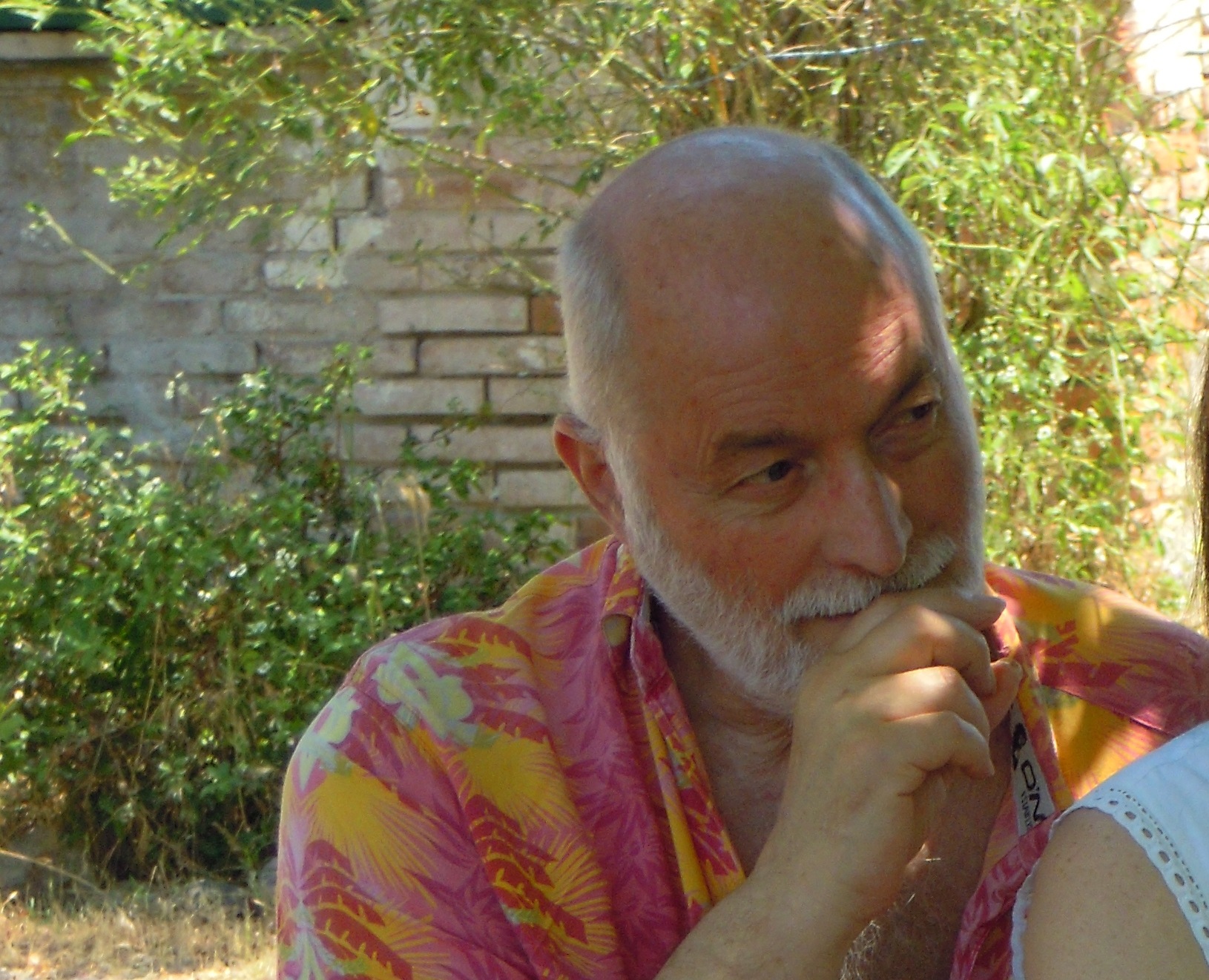
During the pilgrimage made on September 27, 2009 to the top of the sacred mountain Soratte, where there was the temple of Apollo Sorano and today there is the hermitage of San Silvestro, the pope contemporary to the emperor Constantine (the one who liberalized and made institutional the Christianity),  by one of my companions was asked a point-blank question "... but did you reach yourself?".

At that moment I felt that in any way I replied it would have been improper ... since if I had said yes, this statement would have implied the existence of an "I" that claims to have reached itself (ie the lower self that reaches the I superior as the questioner intended). If I had said no, I would have denied an obvious truth anyway ... how can we not be the Self, always and in any case?

Clearly, as a good monkey and a good archaeologist of the Self, I "got away", inspired by Apollo, denying and affirming at the same time, and at the same time pointing out how each of us can only be the Self and that the desire to being it is only an obstruction ... and the best thing - as Ramana Maharshi said - is to remain calm and quiet without trying to reach a "something", centered in the sense of the I, which is our true identity and nature. While the self-images that appear in the mind, and the identification with a perfectible self, are only a projection of the separative tendency, an illusion ....


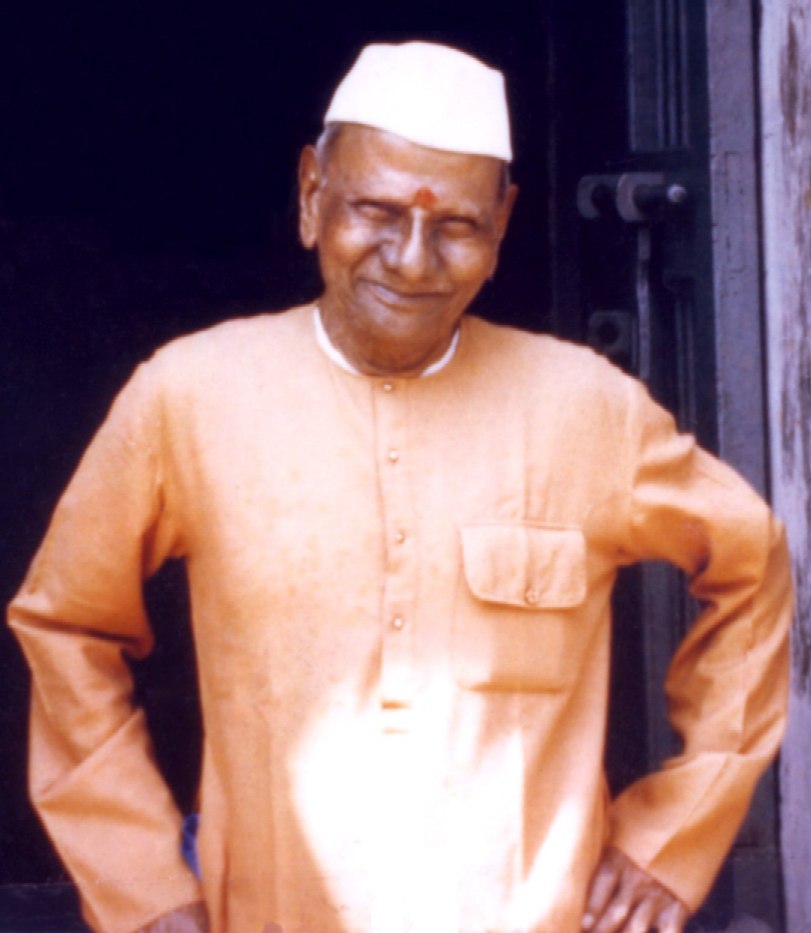
I therefore welcomed with great joy the following text, sent to me by Caterina Regazzi on the same evening of the aforementioned speech, taken from the text "I am that" by Nisargadatta Maharaj:


NISARGADATTA MAHARAJ | Il blog di XPublishing -Mike Plato

V .: ... the memory of those wonderful experiences haunts me. I want to try them again.
M .: since you want them you cannot have them. The intensity of desire prevents you from any deeper experience. Nothing precious can happen to a mind that knows exactly what it wants, because nothing it imagines and desires has great value.
V .: so what is it worth wanting?
M .: the maximum, the highest happiness. The absence of desire is the supreme bliss.
V .:… how do you go beyond the mind?
M .: the starting points are many, but they all lead to the same goal. You can start acting selflessly, giving up the fruits of the action, and then abandoning any thought or desire. Here, the key factor is abandonment. Otherwise you can ignore anything you want, think or do by focusing on the "I am" thought, keeping it fixed in mind. Whatever experience you have, stay firmly aware of the fact that everything that can be perceived is transitory and that only "I am" is permanent. Here and now.

Paolo D’Arpini


Riciclaggio della memoria: Tra il Soratte e Vagone - L'incontro ...
The author on Mount Soratte


Testo italiano


Durante il pellegrinaggio compiuto il 27 settembre 2009 sino alla cima del monte sacro Soratte, ove c’era il tempio di Apollo Sorano ed oggi esiste l’eremo di San Silvestro, il papa contemporaneo all’imperatore Costantino (quello che liberalizzò e rese istituzionale il cristianesimo), da una mia accompagnatrice mi fu rivolta a bruciapelo una domanda “…ma tu hai raggiunto te stesso?”. 
In quel momento ho sentito che in qualsiasi modo avessi risposto sarebbe stato improprio… poiché se avessi detto di sì tale affermazione avrebbe implicato l’esistenza di un “io” che afferma di aver raggiunto se stesso (ovvero l’io inferiore che giunge all’Io superiore come intendeva la questionante). Se avessi detto di  no avrei comunque negato una verità evidente… come possiamo non essere il Sé, sempre e comunque?
Chiaramente, da buon scimmiotto e da buon archeologo del Sé, me la sono “cavata”, ispirato da Apollo,  negando ed affermando contemporaneamente, ed allo stesso tempo puntualizzando come ognuno di noi non può far altro che essere il Sé e che il desiderare di esserlo è solo un’ostruzione… e la cosa migliore –come diceva Ramana Maharshi- è di restare tranquilli e quieti senza  cercare di raggiungere un "qualcosa",   centrati nel senso dell’IO, che è la nostra vera identità e natura. Mentre le immagini di sé che appaiono nella mente, e l’identificazione con un io perfettibile,  sono solo una proiezione della tendenza separativa, un’illusione….
Ho perciò accolto con grande gioia lo scritto che segue,  inviatomi da Caterina Regazzi la sera stessa del discorso suddetto,  tratto dal testo "Io sono Quello" di Nisargadatta Maharaj:    
V.: …il ricordo di quelle esperienze meravigliose mi perseguita. Voglio riprovarle ancora.
M.: siccome le rivuoi non puoi averle. L’intensità del desiderio ti impedisce ogni esperienza più profonda. Niente di prezioso può accadere a una mente che sa esattamente ciò che vuole, perché niente di ciò che immagina e desidera ha grande valore.
V.: allora, cosa vale la pena di volere?
M.: il massimo, la felicità più elevata. L’assenza di desiderio è la beatitudine suprema.
V.: …come si va oltre la mente?
M.: i punti di partenza sono molti, ma portano tutti alla stessa meta. Puoi iniziare ad agire in maniera disinteressata, rinunciando ai frutti dell’azione, per poi abbandonare ogni pensiero o desiderio. Ecco, il fattore chiave è l’abbandono. Altrimenti puoi ignorare qualsiasi cosa tu voglia, pensi o faccia, concentrandoti sul pensiero “io sono”, tenendolo fisso in mente. Qualunque esperienza ti capiti di fare, rimani saldamente consapevole del fatto che tutto ciò che può essere percepito è transitorio e che solo l’”io sono” è permanente. Qui ed ora.

Paolo D’Arpini

martedì 5 maggio 2020

Observing the world without prejudice... - Osservare il mondo senza pregiudizio...


Immagine correlata

Our observation of the world, both internal (of emotions) and external (of objects), is almost never "clean", that is, devoid of interpretation and conceptualization.


We are used to judging what we observe through the filter of memory and the sensations connected to past experiences. Even in the case of "new" events or ideas previously not considered, we do not fail to try to "understand" and measure on the basis of our knowledge. Here this "foreknowledge" is our "slavery" but if we could let ourselves go to the point of being able to observe ourselves while the mechanism of "pre-judgment" is triggered and understand its functioning ... we could already consider this "attention" as a first form of meditation and detachment from the appropriating process in progress.

Let's make a practical analogy, to exemplify this attempt to shift attention from the judging self to the witness capacity of pure consciousness, analyzing the functioning of the dream. When we dream everything happens in an apparently constructed and defined way while at the same time the events of the dream maintain the sense of imponderability.


The specific character of our dream, in which we identify ourselves, is itself a simple component inseparable from the complexity of the dream, in which the various actors, figures, objects and events are one. The "farce" of the dream shows an apparent purpose and meaning in the eyes of the dream character in which we identify ourselves. We see that he in fact performs deliberate gestures and likely efforts of will to achieve his dream goals, also relating to the other characters of the dream as "different" from himself.


Can this be true?


All aspects of the dream are produced by the same mind and are in no way controllable and manageable by any character or dream situation. Being each of these elements simple "passive" components imagined in the dreamer's mind. From the point of view of the "empirical" experience in the waking state it can be said that the "creation" process is practically the same. All objects and subjects that perceive each other (each being simultaneously subject and object in the perception of others) arise from the same "Mind", or Consciousness, and unfold on the conceptual screen of space-time events. 

In fact, in this total functioning, there can be no personal volition or purpose, since (as in the dream) everything takes place regardless of the intention of any of the dreamed characters. While apparently they take upon themselves the sense of affirming or denying their "will", but this occurs only consequently to the effective consideration of the events already experienced. That is after having "judged" the events that have taken place and having taken them as one's own (through the sense of identification) and therefore defined as positive or negative (for the purposes of the character).


From this, by extension, we come to the identity of the waking state and we discover that - as in the dream - to manifest life and its components are not the individual beings but the Consciousness itself, engaged as it is in the work of vivifying the its emanations and manifestations, which are possible only through it.


For this reason it is said that "when the me disappears the ego manifests itself" (Ramakrishna Paramahansa), that is when the individual identification automatically ceases the impersonal Consciousness emerges. It is said that "emerges" as such pure Consciousness is already inherent in the individual himself (as the mind is present in the dreamed character) that the "substance" does not belong to the changing appearance but is the essence that animates it. 


Obviously in case of "awakening" to pure I the sense of individual identity "dies" but this does not imply the automatic disappearance of its apparent "semblance", which will continue to remain in the perception of "other" observers, but emptied within it of any objective identification, being the awakened pure and simple "subjectivity" (Awareness without attributes).

Spontaneity is the "behavioral" characteristic of the awakened person, when spontaneity means simple ability to respond, adequate and appropriate, to the situations in which he comes across. In such a being there remains no shadow of intentionality or judgment, desire or repulsion, his "will" corresponds exactly to the events lived without him seeking it. We can define this state: Freedom.

To signify the true nature of being and the "return" to the intrinsic awareness that belongs to it, admitting that this nature is the same for each of us, I like to quote a phrase by Nisargadatta Maharaj, who said: "It doesn't matter what what you do or what you don't do if you have really perceived what I am talking about. Otherwise, it doesn't even matter if you don't understand.  It means that in both cases the intrinsic reality does not change ... and what is destined to happen takes place on its own..."

Le 4 leggi spirituali - ALDILA'

It happens however that this discourse, although sometimes intellectually accepted, often requires digestion and assimilation, in short it must be made "ours". This can happen through reflection, reworking and recognition within us of this truth. Now somehow we seem to have understood but we must detoxify ourselves from the speculative tendency and from identification with the incarnate character. To this end, not to obtain the condition that is already in our nature but in order to avoid the cheating of the mind, I recommend the repeated reading and weighting on the images contained in the Book of Changes, a compendium of psychosomatic archetypal examples, that is describing the different behavioral models, based on the variegated expressive capacities of the mind in the development of space-time events.

By means of analysis it will be possible to recognize the multicolored forms that the mind can take in this world of appearances, being its transformations simple results, resonances and adaptations to the conditions it faces. This is an automatic response to the continuous changes and mixes of the basic elements of life.

Obviously, these mutations are practically infinite but in the Book of Changes 64 aspects / mother are examined, in the form of hexagrams in which each line is a constitutive component with its own meanings. Since this text is the result of a very ancient and constant study and observation of natural and social phenomena, interpreted and seen both with reason and intuition, it presents itself as an integrated complex of the different analytical and analogical expressive ways of the mind.

And in the Book of Changes it can be said that both the speculative and metaphorical and the analytical and empirical philosophical aspects (Taoism and Confucianism) are merged, therefore the practice is to observe the images without wanting to take the concepts, a good method to approach the corresponding behavioral spontaneity of the essay, based on the capacity for immediate behavioral response in the various situations encountered in life, also in consideration of the peculiar characteristics embodied by each and in the position and condition in which we are. In short, to know the means to adequately face the path.

Since the reading of the text is not immediately clear and assimilable, a continuous repetition is advisable, but without interpretative efforts, so as to slowly push our mind towards that necessary "detachment" from pre-established purposes, thus leaving aside the attempt to understand the rational meanings. and letting the evoked images match our unconscious.

Paolo D’Arpini

La seduzione della finzione e la verità della sostanza | Circolo ...

Testo italiano

Il nostro osservare il mondo, sia interiore (delle emozioni) che esteriore (degli oggetti), non è quasi mai “pulito”, privo cioè di interpretazione e concettualizzazione.
Siamo avvezzi a giudicare quel che osserviamo attraverso il filtro della memoria e delle sensazioni collegate alle trascorse esperienze. Anche nel caso di eventi “nuovi” o di idee precedentemente non considerate non facciamo a meno di cercare di “comprendere” e misurare sulla base del nostro conosciuto. Ecco questa “preconoscenza” è la nostra “schiavitù” ma se potessimo lasciarci andare sino al punto di poterci osservare mentre si innesca il meccanismo del “pre-giudizio” e capire il suo funzionamento… potremmo già considerare questa “attenzione” come una prima forma di meditazione e distacco dal processo appropriativo in corso.
Facciamo un’analogia pratica, per esemplificare questo tentativo di spostare l’attenzione dall’io giudicante alla capacità testimoniale della pura coscienza, analizzando il funzionamento del sogno. Quando sogniamo tutto avviene in modo apparentemente costruito e definito mentre allo stesso tempo gli avvenimenti del sogno mantengono il senso dell’imponderabilità.
Il personaggio specifico del nostro sogno, nel quale noi ci identifichiamo, è esso stesso una semplice componente inscindibile dalla complessità del sogno, in cui i vari attori, figure, oggetti ed eventi sono un tutt’uno. La “farsa” del sogno mostra un’apparente finalità e significato agli occhi del personaggio di sogno nel quale ci identifichiamo. Vediamo che egli infatti compie gesti deliberati e verosimili sforzi di volontà per raggiungere i suoi fini di sogno, rapportandosi inoltre con gli altri personaggi del sogno come “diversi” da sé.
Può ciò corrispondere a verità?
Tutti gli aspetti del sogno sono prodotti dalla stessa mente e non sono in alcun modo controllabili e gestibili da alcun personaggio o situazione del sogno. Essendo ognuno di questi elementi semplici componenti “passive” immaginate nella mente del sognatore. Dal punto di vista dell’esperienza “empirica” nello stato di veglia si può dire che il processo di “creazione” sia praticamente il medesimo. Tutti gli oggetti ed i soggetti che reciprocamente si percepiscono (essendo ognuno contemporaneamente soggetto ed oggetto nella percezione altrui) scaturiscono dalla stessa “Mente”, o Coscienza, e si dipanano sullo schermo concettuale degli eventi spazio-temporali. In effetti, in questo funzionamento totale, non può esistere alcuna volizione o finalità personale, poiché (come nel sogno) ogni cosa si svolge indipendentemente dall’intenzione di qualsiasi dei personaggi sognati. Pur che apparentemente essi assumono su di sé il senso dell’affermazione o della negazione di una loro “volontà”, ma questo avviene solo conseguentemente alla considerazione effettiva degli eventi già vissuti. Ovvero dopo aver “giudicato” i fatti accaduti ed averli assunti come propri (attraverso il senso di identificazione) e quindi definiti come positivi o negativi (ai fini del personaggio).
Da ciò, per estensione, arriviamo all’identità dello stato di veglia e scopriamo che -come nel sogno- a manifestare la vita e le sue componenti non sono i singoli esseri bensì la Coscienza stessa, impegnata com’è nell’opera di vivificazione delle sue emanazioni e manifestazioni, che sono possibili solo per suo tramite.
Per questa ragione è detto che “quando il me scompare l’Io si manifesta” (Ramakrishna Paramahansa), ovvero quando l’identificazione individuale cessa automaticamente la Coscienza impersonale emerge. Si dice che “emerge” in quanto tale pura Coscienza è già insita nell’individuo stesso (come la mente è presente nel personaggio sognato) che la “sostanza” non appartiene alla sembianza mutevole ma è l’essenza che la anima. Ovviamente in caso di “risveglio” al puro Io il senso di identità individuale “muore” ma questo non implica l’automatica scomparsa della sua “sembianza” apparente, che continuerà a restare nella percezione degli “altri” osservatori, ma svuotata al suo interno di ogni identificazione oggettiva, essendo il risvegliato pura e semplice “soggettività” (Consapevolezza priva di attributi).
La spontaneità è la caratteristica “comportamentale” del risvegliato, quando spontaneità significa semplice capacità di risposta, adeguata e consona, alle situazioni in cui egli si imbatte. In un tale essere non permane alcuna ombra di intenzionalità o di giudizio, di desiderio o repulsione, la sua “volontà” corrisponde esattamente agli eventi vissuti senza che lui lo ricerchi. Possiamo definire questo stato: Libertà.
Per significare la vera natura dell’essere ed il “ritorno” all’intrinseca consapevolezza che gli è propria, ammettendo che tale natura è la stessa per ognuno di noi, mi piace riportare una frase di Nisargadatta Maharaj, che disse: “Non importa ciò che fai o ciò che non fai se hai realmente percepito quello di cui sto parlando. Diversamente, non importa nemmeno se tu non hai capito quel di cui sto parlando.”. Il che significa che in entrambi i casi la realtà intrinseca non cambia… e quel che è destinato ad avvenire avviene per conto suo….
Succede però che questo discorso, pur essendo a volte intellettualmente accettato, necessiti spesso una digestione ed assimilazione, deve insomma essere fatto “nostro”. Ciò può avvenire attraverso la riflessione, la rielaborazione e il riconoscimento al nostro interno di tale verità. Ora in qualche modo ci sembra di aver compreso ma dobbiamo disintossicarci dalla tendenza speculativa e dall’identificazione con il personaggio incarnato. A tal fine, non per ottenere la condizione che è già nella nostra natura ma allo scopo di scongiurare l’imbroglio della mente, consiglio la lettura ripetuta e la ponderazione sulle immagini contenute nel Libro dei Mutamenti, un compendio di esempi archetipali psicosomatici, descrivente cioè i diversi modelli comportamentali, basati sulle variegate capacità espressive della mente nello svolgimento degli eventi spazio-temporali. 
Per mezzo dell’analisi sarà possibile riconoscere le multicolori forme che la mente può assumere in questo mondo di apparenze, essendo le sue trasformazioni semplici risultanze, risonanze e adattamenti alle condizioni che si trova ad affrontare. Questa è una risposta automatica allo svolgimento delle continue mutazioni e mescolamenti degli elementi basilari della vita.
Ovvio che tali mutazioni sono praticamente infinite ma nel Libro dei Mutamenti si esaminano 64 aspetti/madre, in forma di esagrammi in cui ogni linea è una componente costitutiva con propri significati. Essendo questo testo il risultato di un antichissimo e costante studio ed osservazione di fenomeni naturali e sociali, interpretati e visti sia con la ragione che con l’intuizione, esso si presenta come un complesso integrato dei diversi modi espressivi analitici ed analogici della mente.
E nel Libro dei Mutamenti si può dire che vengono fusi sia gli aspetti filosofici speculativi e metafici che quelli analitici ed empirici (Taoismo e Confucianesimo), perciò la prassi è quella di osservarne le immagini senza volerne assumere i concetti, un buon metodo per avvicinarsi alla corrispondente spontaneità comportamentale del saggio, basata sulla capacità di immediata risposta comportamentale nelle varie situazioni incontrate nella vita, anche in considerazione delle peculiari caratteristiche da ognuno incarnate e nella posizione e condizione in cui siamo. Insomma, conoscere il mezzo per affrontare adeguatamente il percorso.
Siccome la lettura del testo non è immediatamente chiara e assimilabile è consigliabile una ripetizione continuata, ma senza sforzi interpretativi, in modo da sospingere pian piano la nostra mente verso quel necessario “distacco” da finalità precostituite, tralasciando quindi il tentativo di comprensione dei significati razionali e lasciando che le immagini evocate trovino corrispondenza nel nostro inconscio.

Paolo D’Arpini

domenica 3 maggio 2020

Bioregionalism and ecological relationship between man nature animals - Bioregionalismo e relazione ecologica fra uomo natura animali


Bioregionalismo - Gli animali nel contesto bioregionale e nella ...

We vegetarian bioregionalists and ecologists cannot neglect our matrix, our belonging to a cultural context, our "descent" from a frugivorous family and our human physiology. I spoke a long time ago with my friend Riccardo Oliva about his food preferences and he confided to me that he prefers the vegetarian diet because he considered it the right "middle ground" between carnivorism and veganism. Here is this word "middle way" I find it appropriate and correct. Also because it is necessary to consider the human anatomy and its genetic component and observe how man places himself halfway between a carnivorous and a herbivorous animal.

The man had been defined by the anatomist Armando D’Elia as "a frugivorous animal" assimilable to the group that includes most primates, pigs and bears. These animals can adapt, for reasons of survival or food supplementation, to a diet which, while being most vegetarian, also provides for the use of products of animal origin.

Certainly this diet also varies according to the environment and latitude and is susceptible to adjustments in one direction or another.

I personally approached vegetarianism after a first stay in India and there I learned through my direct experience that this "diet" is conducive to lighter mental states, it defines itself as "satvic", or "spiritual" or "balanced" . This diet is based on cereals, fruit, vegetables and also involves the moderate use of milk derivatives, in the form of yoghurt. Honey is considered almost a medicine and eggs appear very rarely in dishes only in case of necessary protein supplements.

Obviously a healthy human-animal relationship cannot be based on the exploitation of the latter. In fact, in India the cows are sacred and are treated very well, the calves are left to the mothers until complete weaning and the man simply "appropriates" the surplus of the milk produced. Considering that cows domesticated since time immemorial produce more milk than their calves need.

If we want to remain living beings in a context of other living beings we cannot completely exclude a complementarity in our relationships with animals. Nature lives on life, we humans are frugivores and frugivores make limited use of eggs and products of animal origin, this says their physiological "ecology".

Of course nowadays we see that consumption in this sense has increased enormously especially following industrial breeding. And to satisfy the consumer system, millions of hens are kept in battery for our eggs ... and millions of cows suffer tied to their enclosures ...

But I don't want to deny man a symbiotic relationship with animals. Years ago I used to keep them free in a large ground letting them let off steam as they wanted for their survival and reproduction, limiting myself to taking a part of "abandoned" eggs that are not used for hatching or some goat's milk. Then came the foxes and the dogs and massacred, and I had to close goats, sheep, chickens and ducks and geese surviving in small enclosures, however, always attacked by predators of various kinds ... In short, without my protection no one would have survived ...

I remember the last hen I had in Calcata, a vegetarian girl brought it to me who had "fished" it as a chick at a fair... Then raised not wanting to kill it, she handed it to the club. I kept it almost like a pet, as it was already accustomed to being, but this did not prevent it from laying eggs and from eating them, and also with satisfaction and gratitude...

With the times that run the hens could not live in captivity, they would be totally exterminated by the many natural enemies ... ... Anyway ... nature is always right, if we are able to comply with its rules and not interfere with our "ethical rules and Morals" ...  It's a tough fight towards awareness ... deep ecological...


I personally do not like that new species are bred in captivity .. but those animals in captivity, if they are kept with conscience and love, at least from Campania and reproduce ... We must learn to live with animals in a suitable way, without transforming them in our image and likeness (as often happens with pets), and without exploiting them for improper uses) as in industrial meat and milk and egg farms) ... And then we will have implemented a healthy relationship with them, a relationship that we could define as "ecological" and "bioregional"....


With this speech of mine I would like to be clear about the "ideal" (or if you prefer "ecological") relationship with animals and plants.

Our schizophrenia and false sense of ethics leads us to divide animals into pets and meat animals. They are two opposite categories, they are two reckless ways of relating with the animals. We ourselves - among others - are animals, so we need to have contact with our "brothers and sisters" of other species. If this is clear ... then you will understand everything else ... We do not keep animals in cages (to exploit them physically) and not even in sofas (to exploit them psychologically).

We must find a meeting point that is not exploitative (in one sense or another), unfortunately the unhealthy life in the city leads us to have to have a very distorted relationship with the "free" animals, bringing them into the house ... Or leaving them in the their habitats (natural reserves) from which we ourselves are excluded (because they are no longer used to living in forests or in nature).

However, if some species of animals accustomed to captivity from time immemorial were released they would be destined to disappear, due to the elimination of a suitable habitat from the planet (man increasingly occupies every living space). In short, we would go towards a further impoverishment of biodiversity. In addition, there is the fact that - from an evolutionary point of view - some species of animals in symbiosis with humans have found advantages in captivity (both for diffusion, and for intellectual and conscience advancement).


We are all in a great bedlam called life and it is not good to separate from each other ... No therefore to unconditional exploitation but yes to empathic contact. The man as an instinctual animal and collector of sparse food, has turned into a worker who obtains food and ways of growth through his ingenuity.


The work freed man from "bestiality" while forcing him to new parameters of weakness and alienation. But both in relationships between human beings and in the relationship with animals we should find an "equanimous" way of being able to express contact and collaboration without having to resort to the perversions (see examples above) of a utilitarian relationship.

You will have understood that - at this point - the problem of eggs, honey and milk in excess, has almost completely lost its original "ethical" meaning .. It is no longer a matter of exploiting poor birds by stealing their eggs .. etc. it is a fact of general survival of life on the planet in a symbiotic way, with appropriate adjustments and with appropriate reflections on the values ​​of life itself ...

We are on an evolutionary scale that we humans have traveled in part, we still lack a lot to get to the top of understanding, but we can help those who are at the first steps without being ashamed ... Knowing that their good is also ours. This applies to plants, to the air, to the resources accumulated on earth over millions of years, to our past in slime and our future in the stars.  "Per aspera ad astra!"

In my opinion, nothing needs to be decided on the basis of an ideology (be it vegan or religious) .. let's just follow the conscience knowing that where there is sincerity, truth automatically prevails.

I believe that morality and ethics are essentially "abstractions" and therefore I limit myself to following the path of the heart (in which what is consonant appears and manifests itself effortlessly)...  I feel that everything is included in this path ...

Paolo D’Arpini


Per una dignità lavorativa in chiave bioregionale ...


Testo italiano:

Noi vegetariani bioregionalisti ed ecologisti, non possiamo trascurare la nostra matrice, la nostra appartenenza ad un contesto culturale, il nostro “discendere” da una famiglia frugivora e la nostra fisiologia umana. Parlavo tempo fa con l’amico Riccardo Oliva sulle sue preferenze alimentari e lui mi confidò che preferisce la dieta vegetariana poichè la considerava una giusta “via di mezzo” fra il carnivorismo ed il veganesimo. Ecco questa parola “via di mezzo” la trovo consona e corretta.
Anche perchè occorre considerare l’anatomia umana e la sua componente genetica ed osservare come l’uomo si ponga a mezza strada tra un animale carnivoro ed uno erbivoro.
L’uomo era stato definito dall’anatomista Armando D’Elia “un animale frugivoro” assimilabile al gruppo che comprende la maggior parte dei primati, dei suini e degli orsi. Questi animali possono adattarsi, per motivi di sopravvivenza o di integrazione alimentare, ad una dieta che pur essendo massimamente vegetariana prevede anche l’uso di prodotti di origine animale.
Certamente questa dieta varia anche in base all’ambiente ed alla latitudine ed è suscettibile di aggiustamenti in un senso o nell’altro.
Io personalmente mi sono avvicinato al vegetarismo dopo una prima permanenza in India è lì appresi attraverso la mia esperienza diretta che questa “dieta” è conduttiva a stati mentali più leggeri, essa si definisce infatti “satvica”, ovvero “spirituale” od “equilibrata”. Questa dieta è basata su cereali, frutta, vegetali e prevede anche l’uso moderato di derivati del latte, in forma di yougurt. Il miele è considerato quasi un medicinale e le uova compaiono molto raramente nelle pietanze solo in caso di necessarie integrazioni proteiche.
Ovviamente un sano rapporto uomo-animali non può essere basato sullo sfruttamento di questi ultimi. Infatti in India le vacche sono sacre e vengono trattate benissimo, i vitelli vengono lasciati alle madri sino al completo svezzamento e l’uomo si limita ad “appropriarsi” del sovrappiù del latte prodotto. Considerando che le mucche addomesticate da tempo immemorabile producono più latte di quanto necessario ai loro vitelli.
Se vogliamo restare esseri viventi in un contesto di altri esseri viventi non possiamo completamente escludere una complementarietà nei nostri rapporti con gli animali. La natura vive sulla vita, noi umani siamo frugivori ed i frugivori fanno un limitato uso di uova e di prodotti di origine animale, questo dice la loro “ecologia” fisiologica.
Certo oggigiorno vediamo che i consumi in tal senso sono aumentati enormemente soprattutto in seguito all’allevamento industriale. E per soddisfare il sistema consumista milioni di galline vengono tenute in batteria per le nostre uova… e milioni mucche soffrono legate ai loro stabulari…

Però non voglio negare all’uomo un rapporto simbiotico con gli animali. Anni fa ero solito tenerli liberi in un grande terreno lasciando che si sfogassero come volevano per la loro sopravvivenza e riproduzione, limitandomi io a prelevare una parte di uova “abbandonate” ovvero non utilizzate per la cova o qualche po’ di latte di capra. Poi sopraggiunsero le volpi ed i cani e fecero strage, e dovetti richiudere capre, pecore, galline e papere ed oche superstiti in piccoli recinti sempre però attaccabili da predatori di vario genere… Insomma senza la mia protezione nessuno sarebbe sopravvissuto…
Ricordo l’ultima gallina che ho avuto a Calcata, me la portò una ragazza vegetariana che l’aveva “pescata” da pulcino ad una fiera… Poi cresciuta non volendo ucciderla la consegnò al Circolo. Io l’ho tenuta quasi come un animale da compagnia, com’era d’altronde già abituata ad essere, ma questo non impediva che deponesse delle uova e che io le mangiassi, e pure con soddisfazione e riconoscenza…
Con i tempi che corrono le galline non potrebbero vivere in cattività, sarebbero totalmente sterminate dai tanti nemici naturali… … Comunque… la natura è sempre giusta, se siamo in grado di accondiscendere alle sue regole ed a non intrometterci con le nostre “regole etiche e morali”… E’ una dura lotta verso la consapevolezza… ecologica profonda…
A me personalmente non piace che nuove specie vengano allevate in cattività.. ma quegli animali in cattività, se sono tenuti con coscienza e amore almeno campano e si riproducono…
Dobbiamo imparare a convivere con gli animali in modo idoneo, senza trasformarli a nostra immagine e somiglianza (come spesso avviene con i pets), e senza sfruttarli per usi impropri ) come negli allevamenti industriali da carne e da latte e da uova)…
Ed allora avremo attuato un sano rapporto con essi, un rapporto che potremmo definire “ecologico” e “bioregionale”….
Con questo mio discorso vorrei essere chiaro circa il rapporto -secondo me- “ideale” (o se preferite “ecologico”) con gli animali e le piante.
La nostra schizofrenia e falso senso dell’etica ci porta a dividere gli animali in pets e animali da carne. Sono due categorie opposte, sono due modi scriteriati di rapportarci con gli animali. Noi stessi -tra l’altro- siamo animali, quindi abbiamo bisogno di avere un contatto con i nostri “fratelli e sorelle” di altra specie. Se è chiaro questo… allora comprenderete tutto il resto…
Non teniamo gli animali in gabbia (per sfruttarli fisicamente) e nemmeno nei divani (per sfruttarli psicologicamente).
Dobbiamo trovare un punto d'incontro che non sia sfruttativo (in un senso o nell’altro), purtroppo la vita malsana in città ci porta a dover avere un rapporto con gli animali “liberi” molto falsato, portandoceli in casa… Oppure lasciandoli nel loro habitat (riserve naturali) dal quale noi stessi siamo esclusi (perché non più avvezzi a vivere nelle foreste od in natura).
Però se alcune specie di animali avvezzi alla cattività da tempo immemorabile venissero rilasciati sarebbero destinati alla scomparsa, per via della eliminazione dal pianeta di un habitat idoneo (l’uomo occupa sempre di più ogni spazio vitale). Insomma andremmo verso un ulteriore impoverimento della biodiversità. Inoltre c’è il fatto che -dal punto di vista evolutivo- alcune specie di animali in simbiosi con l’uomo hanno trovato vantaggi nella cattività (sia per la diffusione, sia per l’avanzamento intellettuale e coscienziale).
Siamo tutti in una grande bolgia chiamata vita e non sta bene scindere gli uni dagli altri… No quindi allo sfruttamento incondizionato ma sì al contatto empatico. L’uomo da animale istintuale e raccoglitore di cibo sparso, si è trasformato in un lavoratore che ricava attraverso il suo ingegno cibo e modi di crescita.
Il lavoro ha affrancato l’uomo dalla “bestialità” pur costringendolo a nuovi parametri di debolezza e alienazione.. Ma sia nei rapporti fra esseri umani che nel rapporto con gli animali dovremmo trovare un modo “equanime” di poter esprimere il contatto e la collaborazione senza dover ricorrere alle perversioni (vedi esempi soprastanti) di un rapporto utilitaristico.
Avrete compreso che -a questo punto- il problema delle uova, del miele e del latte in sovrappiù, ha perso quasi completamente il suo significato “etico” originario.. Non è più un fatto di sfruttare dei poveri uccelli rubando loro le uova.. etc. è un fatto di sopravvivenza generale della vita sul pianeta in un modo simbiotico, con opportuni aggiustamenti e con opportune riflessioni sui valori della vita stessa…
Siamo in una scala evolutiva che in parte noi umani abbiamo percorso, ci manca ancora molto per arrivare alla cima della comprensione, possiamo però aiutare coloro che sono ai primi gradini senza doversi vergognare… Sapendo che il loro bene è anche il nostro. Questo vale per le piante, per l’aria, per le risorse accumulate sulla terra nei milioni di anni, per il nostro passato nella melma e per il nostro futuro nelle stelle. Per aspera ad astra!

Secondo me non occorre decidere nulla sulla base di una ideologia (che sia essa vegana o religiosa).. limitiamoci a seguire la coscienza sapendo che dove c’è sincerità automaticamente la verità prevale.
Ritengo che la morale e l’etica siano essenzialmente “astrazioni” e pertanto mi limito a seguire la via del cuore (in cui ciò che è consono appare e si manifesta senza sforzo)… Sento che in questa via tutto sia compreso…

Paolo D’Arpini

sabato 2 maggio 2020

Religious dogmatism or lay spirituality ...? - Dogmatismo religioso o spiritualità laica...?


Our true spiritual nature, if listened to with respect, is beyond dualism. Unfortunately, the mental scheme of religions, superimposed on the spontaneous revelation of the human in us, continues to blur the simple awareness of existing, of belonging to an inseparable whole of which we are an integral part.

Even before we are Christians, Mohammedans or Buddhists, we are conscience but this awareness is so obscured that our intrinsic qualities are submerged by a plethora of ideas, constraints and structures preconstituted by various religious beliefs. A fence that prevents expressive freedom in terms of man's natural spirituality.

Suffice it to see the improper use that is made of the secular term by the Catholic religion, implying that it is a person not belonging to the priestly class but a member of the religion. This is absurd from an etymological and glottological point of view. But this misunderstanding is brazenly carried forward in the mentions made by the Vatican in reference to the so-called lay believers of the church (meaning ordinary people, heads of families or others not ordained in the priestly caste but belonging to religion). This lexical cheating helps to mystify and differentiate what is absolutely indivisible: the spirit.

From birth to death we remain in a cage and getting out of it seems almost impossible. Gradually, man is recognizing himself to be more and more inhabitant of the Earth and not particularly of a religion or ethnicity. This tendency towards unity must be helped through the awareness of a true natural and secular spirituality that brings man's personal freedom back to its original manifestation.

Children and infants are the first exploited, in an ideological and religious sense, forced by their own parents and by social obligations (by now consolidated) to submit to religious exploitation. Even before he has been able to understand what religion means, an innocent child is forced into a religious path, completely unconsciously, starting with baptism, then confirmation and then again communion. The innocent child is tied to rituals and a faith that does not know and has no age to understand if it is good or bad.

In this way, free spiritual expression is not helped but society is locked up in a prison of thoughts, and this applies to both religions and ideologies.

I invite people for good and sincere to become aware of this, at the same time I invite religious (i.e. hypocritical cheaters) to stop with this massacre of human intelligence.

Paolo D'Arpini


Paolo D'Arpini: Costi della politica e costi del Vaticano

Lay Spirituality Committee


Testo italiano:


La nostra vera natura spirituale, se ascoltata con rispetto, è aldilà  del dualismo. Purtroppo lo schema mentale delle religioni, sovrimposto alla spontanea rivelazione dell’ umano in noi, continua ad offuscare la semplice coscienza di esistere, di appartenere ad un tutto inscindibile di cui siamo parte integrante.


Prima ancora di essere cristiani, maomettani o buddisti, noi siamo coscienza ma tale consapevolezza e' talmente offuscata che le nostre intrinseche qualità vengono sommerse da una pletora di idee, costrizioni e strutturazioni precostituite da vari credo religiosi. Un recinto che impedisce la libertà espressiva in termini di spiritualità naturale dell' uomo.

Basti vedere l'uso improprio che viene fatto del termine laico dalla religione cattolica, sottintendendo si tratti di persona non appartenente alla classe sacerdotale ma membro della religione. Cosa assurda dal punto di vista etimologico e glottologico. Ma questo misuso viene portato sfacciatamente avanti nelle menzioni fatte dal vaticano in riferimento ai cosiddetti credenti laici della chiesa (intendendo persone comuni, capifamiglia od altro non ordinati nella casta sacerdotale ma appartenenti alla religione). Questo imbroglio lessicale contribuisce a mistificare e differenziare quel che è assolutamente indivisibile: lo spirito.

Dalla nascita alla morte restiamo in una gabbia ed uscirne sembra quasi impossibile. Pian piano l’uomo si sta riconoscendo sempre più abitante della Terra e non particolarmente di una religione od etnia. Questa tendenza alla unità va aiutata attraverso la coscienza di una vera spiritualità naturale e laica, che riporti la libertà personale dell’uomo alla sua originaria manifestazione.

I bambini, i neonati, sono i primi sfruttati, in senso ideologico e religioso, obbligati dai loro stessi genitori e dagli obblighi sociali (ormai consolidati) a sottostare alle strumentalizzazioni religiose. Prima ancora che abbia potuto capire cosa significhi religione, un bambino innocente viene obbligato ad un percorso religioso, del tutto inconsapevolmente, cominciando con il battesimo, poi la cresima e poi ancora la comunione. Il bambino incolpevole viene legato ai riti e ad una fede che non conosce e non ha l’età per capire se sia buona o cattiva.

In tal modo non si aiuta la libera espressione spirituale ma si rinchiude la società in una prigione di pensieri, e ciò vale sia per le religioni che per le ideologie.

Invito le persone per bene e sincere a divenire consapevoli di ciò, contemporaneamente invito i religiosi (ovvero gli ipocriti imbroglioni) a smetterla con questo massacro dell'intelligenza umana.


Paolo D'Arpini
Comitato per la Spiritualità Laica

domenica 26 aprile 2020

Evolution and naturalistic origins of our feeling ... - Evoluzione e le origini naturalistiche del nostro sentire...


Insisting too much on "theistic" values ​​does not help the human mind to overcome patriarchal thought. We must - according to me - abandon religious speculation and return to a spirituality devoid of dogmas and not specifically linked to gender (I remember that the priesthood in monotheistic religions is precluded to women).

For goodness sake, it is also okay to do a historical analysis on the formation of Christianity and how this "Semitic" religion drew on pre-existing paganism. Among other things, the re-evaluation of paganism is one of the main characteristics not only in the New Age strand but also in serious historical research, such as that of Daniel Danielou on the myth of Dionysus-Shiva.

But we should go even further by rediscovering the most ancient cults close to our roots, namely the adoration of the Great Mother or Primordial Energy (Shakti).

Often, during the holidays we organize, especially those in conjunction with the solstices and the equinoxes or for the full and new moon, we highlight the syncretic aspects between Christianity and "neo-paganism", making them coincide with our secular spirit and sympathetic to the Spirituality of Nature.

The sacredness of nature in all its forms is one of the aspects of secular spirituality and profound ecology that distinguishes us. In fact, the spirituality of nature is an aspect recognized also in the ancient Christian faith, especially in mysticism (both in the primitive and in the Franciscan ones) in which the custom of retreating to caves, woods and deserts in close communion with natural elements prevails. with the animal world.

Pagan aspects were present even in the Jewish religion, albeit condemned, such as the adoration of the sacred cow during the crossing of the Sinai, or recognized and part of the tradition as happened to the sect of the Essenes who lived in close symbiosis with nature and with its magical aspects, having also developed the ability to draw their nourishment from the desert, a great miracle this considering that they were even vegetarians….

Respect and adoration of nature, defined by the Catholic Church (a little derogatory) "pantheism" is one of the stimuli that has always been present in man, among other things, this pantheistic feeling is the basis of the evolutionary exursus of the species.

This reminds me of a story, which I often love to tell, about the origin of the human species. It is now certain that there was a "first woman", a primordial Eva. The analysis of the female genetic heritage present in the bones proves it unequivocally...

So I imagined a woman, the first woman, who having achieved self-awareness (the most obvious characteristic of intelligence) and having only "monkeys" (such were the males at that time) had to perform a work of painstaking selection to decide with whom to mate so that you can have the best chance of genetic transmission of that evolutionary aspect. And so it happened consequently in the following generations and it is in this way that slowly from the sorting in the mating have become relevant qualities such as: sensitivity towards the habitat, empathy, patience, adaptability and kindness of the male towards the offspring and the community, etc. etc. Qualities that led the species to an "intelligent" condition that we recognize (or we would recognize if in the meantime an involutionary male chauvinist had not taken over).

Unfortunately in this historical moment, following abstraction from the vital context and the manifestation of religiosity in a metaphysical sense (projected to an afterlife and a spirit separate from matter), much of that respect (and consideration) towards nature and environment and the community has diminished, to the point that virtualization is preferred instead of the sacredness experienced in everyday life. And in this good part of the responsibility is to be attributed to the roots of monotheistic beliefs (Judaism, Christianity and Islam).

But what had been driven out of the door often falls through the window, in fact psychology is rediscovering the myths, legends and divinities of nature, describing them in the form of "archetypes".


At the beginning of human civilization, in the Paleolithic and Neolithic Matristic period, sacredness was embodied in a feminine key, then  this sacredness, assumed mixed masculine and feminine forms, subsequently with patriarchal monotheisms it was the masculine which became predominant.

Now is the time to bring these energies back to their rightful place and on an equal footing. Although already in an ancient civilization, the Vedic one, this parity had been indicated, as in the case of the (male) denomination "Surya" which indicates the identity of the sun as a divine entity, which is completed by the female aspect " Savitri ”which is the radiating capacity of solar energy.

And we know that there is no difference between fire and its ability to burn ....

Paolo D’Arpini


Bioregionalismo, spiritualità laica, ecologia profonda
Rete Bioregionale Italiana


Testo Italiano: 


Insistere troppo su valori "teisti"  non aiuta la mente umana al  superamento del pensiero patriarcale. Dobbiamo -secondo me- abbandonare la speculazione religiosa e ritornare ad una spiritualità priva di dogmi e non specificatamente  legata al genere (qui ricordo che il sacerdozio nelle religioni monoteiste è precluso alle donne).  

Per carità, va anche bene fare un'analisi storica sulla formazione del cristianesimo e di come  questa religione "semita" abbia attinto al paganesimo pre-esistente. Tra l'altro  la rivalutazione del paganesimo è una delle caratteristiche portanti non solo nel filone New Age ma anche in ricerche storiche serie,  come ad esempio quella di  Daniel Danielou sul mito di Dioniso-Shiva.

Ma dovremmo andare anche più in là riscoprendo i culti più antichi e vicini alle nostre radici, ovvero l'adorazione della Grande Madre o Energia Primordiale  (Shakti). 

Spesso, durante le feste da noi organizzate, soprattutto quelle in concomitanza con i solstizi e gli equinozi o per la luna piena e nuova, mettiamo in evidenza gli aspetti sincretistici fra cristianesimo e   “neo-paganesimo”, facendoli coincidere con   il nostro spirito laico e simpatetico con la Spiritualità della Natura.

Ad esempio, è avvenuto che durante alcune cerimonie,  già da noi predisposte, si aggiungessero  riti diversi  con offerte alle divinità e fate dei boschi o dei corsi d'acqua, il tutto magari collegandolo a credenze o leggende cristiane... (tanto per fare un esempio ricordo la Vigilia di San Giovanni, con il battesimo dell'acqua e del fuoco, etc.).  Io  lascio fare perché in fondo il riconoscere  il Genius Loci e la sacralità della natura in tutte le sue forme è uno degli aspetti della spiritualità laica e dell’ecologia profonda, che ci contraddistingue.  

In effetti la spiritualità della natura  è un aspetto riconosciuto anche nella fede cristiana antica, soprattutto nel misticismo (sia in quello primitivo che in quello francescano)  in cui prevale  la consuetudine di ritirarsi in grotte, boschi e deserti in stretta comunione con gli elementi naturali e con il mondo animale.  

Aspetti pagani erano presenti persino nella religione ebraica, sia pur condannati, come ad esempio l’adorazione della vacca sacra durante la traversata del Sinai, oppure riconosciuti e facenti parte della tradizione  come avvenne presso la setta degli Esseni che vivevano in strettissima simbiosi con la natura e con  i suoi aspetti magici, avendo essi sviluppato anche la capacità di trarre il loro nutrimento dal deserto, un grande miracolo questo considerando  che erano persino vegetariani….

Il rispetto e l’adorazione  della natura, definito dalla chiesa cattolica (un po’ dispregiativamente) “panteismo” è uno degli stimoli da sempre presenti nell’uomo,   tra l’altro questo sentimento panteista è  alla base dell’exursus evolutivo della specie.  

Ciò  mi fa  ricordare  una storiella,  che amo spesso raccontare,   sull’origine della specie umana. Ormai è certo che ci fu una “prima donna”, un’Eva primordiale. L’analisi   del patrimonio genetico femminile presente nelle ossa lo dimostra inequivocabilmente…
Mi sono così immaginato una donna, la prima donna, che avendo raggiunto l’auto-consapevolezza (la caratteristica più evidente dell’intelligenza) ed avendo a disposizione solo “scimmie” (tali erano i maschi a quel tempo)  dovette compiere una opera di selezione certosina per decidere con chi accoppiarsi in modo da poter avere le migliori chance di trasmissione genetica di quell’aspetto evolutivo. E così avvenne conseguentemente  nelle generazioni successive ed è in questo modo che pian piano dalla cernita nell’accoppiamento sono   divenute rilevanti qualità come: la sensibilità verso l’habitat, l’empatia, la pazienza,  la capacità di adattamento e di gentilezza del maschio verso la prole e la comunità, etc. etc.  Pregi che hanno  portato la specie  verso una condizione “intelligente” che riconosciamo (o riconosceremmo se nel frattempo non fosse subentrata una spinta maschilista involutiva).

Purtroppo in questo momento storico, in seguito all’astrazione dal contesto vitale e alla manifestazione della religiosità in senso  metafisico (proiettata ad un aldilà ed ad uno spirito separato dalla materia),  molto di quel rispetto (e considerazione) verso la natura e l’ambiente e la comunità è andato scemando,  sino al punto che si predilige la virtualizzazione invece della sacralità vissuta nel quotidiano. Ed in questo buona parte della responsabilità è da addebitarsi al radicamento dei credo monoteisti (Ebraismo, Cristianesimo ed Islam).

Ma quello che era stato scacciato dalla porta spesso rientra dalla finestra, infatti la psicologia sta riscoprendo i miti, le leggende e le divinità della natura descrivendole in forma di “archetipi”.

All’inizio della  civilizzazione umana, nel periodo paleolitico e neolitico matristico, la sacralità era incarnata massimamente in chiave femminea, poi con il riconoscimento della funzione maschile nella procreazione tale sacralità assunse forme miste  maschili e femminili, successivamente con i monoteismi patriarcali fu il maschile che divenne preponderante.

Ora è tempo di riportare queste energie al loro giusto posto e su un totale piano paritario. Anche se già in una antica civiltà, quella Vedica,  questa parità era stata indicata, come nel caso della denominazione (maschile) “Surya” che sta ad indicare l’identità del sole in quanto ente divino, che  viene completato dall’aspetto femminile “Savitri”  che è la capacità irradiativa dell’energia solare.

E noi sappiamo che fra il fuoco e la  sua capacità di ardere  non vi è alcuna differenza....  


Paolo D’Arpini  

sabato 25 aprile 2020

Everything is present in everyone's inherent nature - Ogni cosa è presente nell'inerente natura di ognuno


spirito laico: Awe. The spirituality of a layman - Meraviglia di ...

I would like to specify that at the base of the following discourse I place my personal experience, implanted in the memory, of the moment when the consciousness was illuminating the formation of a body in my mother's womb, being this individual consciousness called "soul", in which I perceived clearly the karmic course that that psychophysical form (that myself) was destined to perform. I saw his propensities, his genic roots, innate tendencies, destined events, difficulties, glory, sacrifice, in short all that had to be accomplished through that specific human individual. Well in perceiving all this clearly I felt a certain reluctance to face the tests, better to say to testify them, or to make them possible through the conscious presence that I am. Yet, the emergence of incipient fate in the mirror of the mind, which recorded it and then stored it as a film that would then be projected over the course of life, entailed a semblance of free will in accepting or rejecting fate. Of course this feeling of acceptance or rejection was totally subjective and could in no way change the course of the preordained events, but could have left a trace in the form of dissatisfaction and rejection, with the consequences that can be imagined in the unfolding of the life that was about to manifest... (and perhaps also in hypothetical future existences)...

A question arises, where does it arise? Let's give an answer where did it come from? Now, for example, I am here that I ask myself about the reality of the manifestation of our life. Is it accomplished by a set of joint forces and elements that combine according to their laws, or dictates of the case, or is it the result of a voluntary action that tries in every way to forge its shape and content? This investigation is at the basis of any conceptualization and physical or metaphysical action ... 

In an attempt to understand the nature of our thinking and acting, the men who preceded us have already questioned themselves and it will be so for those to come ... And the answer: this text, for example, that I am writing and that you read (assuming someone reads it ..) where does it come from? How did the ideas contained in it emerge in the mind, how are they shared and understood by the hypothetical reader? The reader understands the theme therefore it means that the dilemma has been posed equally ... In any case, the result of a free choice is written, an elaborate with a precise intent, deriving from a voluntary process, from a decision to implement the action of thinking and writing? 

Or rather is it the consequence of a series of self-generated impulses that come together to formulate this article? Following a hypothetical rational process, at first glance, I would be led to answer that yes, this writing is the result of my decision, it is the result of my personal compositional ingenuity that takes this descriptive form, using the figures of a philosophical reasoning ... No, I'm not sure ... I'm not sure because I "understand" or I sense that my reasoning can be defined only after spontaneously and without any intention on my part appeared in my mind. 

Did he "appear" and from where? The mechanism of the appearance of thoughts is an unknown and unknowable aspect, they arise from an unknown where… Only after they appear before our conscience can we say "I thought about this...". In short, we make our thoughts our own after they came to meet us out of nowhere, we possess them like any other object that we call our (even though it is actually of the earth) ... and then the sense of possession is only a continuous indication of use, a limited use in any case over time and in the quality of its enjoyment... 

Everything we define as "ours" or in which we identify ourselves as "my body" -for example- or "my mind" is in truth ours only for a custom of use and presence. When we dream we are accustomed to identify with one of the characters of the dream and we perceive this character as a "me" who relates to other characters operating in a world, the whole dream actually presents itself in front of our conscience and on it we have no operational control, even if, as in the waking state, we believe we are acting with a purpose, obtaining results or failing to obtain them. I say "as in the waking state" to insert a rapid comparative analogy with the reality of our work while awake... 

We call our action in the world the result of a free will and we do it, in front of ourselves and others (exactly as in the dream), responsible, we accept the effort of the attempt to achieve a goal, we feel frustrated if we fail in achievement, we consider that our actions are related to a cause and effect process, in trying to prefigure us an end, then eventually repent and seek its opposite. 

Religions have used this process of becoming and instability of the mind and the desire for a result (imagined as stable and definitive but vain) to order life of each in terms of "direct responsibility" with subsequent final prize in the guise of hell or heaven. In religious, social, or ideological dualism, in separation from the Whole, the only thing that can be done is to try to achieve good results using his own will, which we define as free choice, thus deluding ourselves that we will reach some outcome which we naively define as the "answer" to our material and spiritual research. 

Reward and punishment are in our hands... and with this weight on the rump we "trade" and "speculate" with and on God -if we believe him- or with Nature and the laws of the jungle -if we are materialistic atheists- or do as superstitious people who say "it's not true... but I believe it!" ending a little here and a little beyond the imaginary barricade, or perhaps, as often happens to most of us, trying tout court to forget the problem by immersing ourselves in the satisfaction of daily needs and needs. But the riddle returns ... It is something unknown and unknowable that comes back to haunt us... 

In the end we blame the Gods and the force of fate! In fact, we observe from direct experience that some things that we intend to achieve escape us, while others that we abhor happen. "We can define this force that makes everything happen God or" swabava ", which means the inherent nature of everyone - said Anasuya, when I was in Jillellamudi - adding that “this force manifests itself not only in natural and cyclical events but also in the unexpected and even in man's attempt to control the unexpected, and even in the sense of having decided to make a determined action or course of actions ". How to say that this" force "takes the form of inner compulsion and that we, making our formulation, define" free choice "... In short, free choice is nothing other than the mental development consequential to the stimulus received interior, the banal way through which that "force" or "swabava" makes us perform the action "voluntarily". it does not take away that in our ego, at least that mental reflection of the consciousness that we call "ego", we are perfectly convinced that the action taken is the result of our decision, that the observed thought is our own, that this writing is arbitrarily edited by me , that you are reading of your own option. 

"But the fruits of our actions are not permanent - said Ramana Maharshi - and chasing the results makes us prisoners of the ocean of" karma "(becoming through action), preventing understanding the true nature of Being ”This means that the actions we perform with a purpose, and with identity appropriation of fulfillment, lead us to experience pleasures and pains. They are actually limited in time but leave seeds in the mind, the cause of a subsequent effort in avoiding or pursuing certain actions. These seeds (called in Sanskrit "vasana") push us into an apparently infinite series of engagements and acts, binding our attention to the external world and preventing the discovery of our true internal nature. Therefore in the understanding given to action there can be no release from the ego, which is limited to the mind body. One could object that if there is no understanding, neither evolution is possible, nor the improvement of one's condition... 

Yet accepting the spontaneous growth to which life spontaneously tends (as it is in fact understanding it) we will be "free" to carry out all those actions that naturally go in the direction of growth, to fulfill the inner inspiration, without assuming the burden ... Calling it “surrender” to one's inherent nature or performance of one's karmic duty (dharma) at this point doesn't matter, it just happens!

Paolo D’Arpini

spirito laico: "Travel friends. The lay spiritual quest begins and ...


Testo Italiano 

Vorrei  specificare che  alla base del discorso che segue pongo la mia esperienza personale, impiantata nella memoria, del momento in cui la coscienza stava illuminando la formazione di un corpo nel grembo di mia madre, essendo questa coscienza individuale denominata “anima”, in cui percepii chiaramente il decorso karmico che quella forma psicofisica (quel me stesso) era destinata a compiere. Vidi le sue propensioni, le sue radici geniche, le tendenze innate, le vicende destinate, le difficoltà, la gloria, il sacrificio, insomma tutto quel che doveva essere compiuto attraverso quello specifico individuo umano. Ebbene nel percepire tutto ciò chiaramente sentivo una certa riluttanza ad affrontare le prove, meglio dire a testimoniarle, o renderle possibili attraverso la presenza cosciente che io sono. Eppure, il delinearsi del destino incipiente nello specchio della mente, che lo registrava e quindi lo immagazzinava come una pellicola che poi sarebbe stata proiettata nel corso della vita, comportava una parvenza di libero arbitrio nell’accettare il fato o nel rifiutarlo. Certo questa sensazione di accettazione o rifiuto era totalmente soggettiva e non poteva in alcun modo modificare il corso degli eventi preordinati, ma avrebbe potuto lasciare una traccia sotto forma di insoddisfazione e rifiuto, con le conseguenze che  si possono immaginare nel dispiegamento della vita che stava per manifestarsi... (e magari anche in  ipotetiche future esistenze)...  

Ci si pone una domanda, da dove sorge? Diamo una risposta da dove è venuta?
Ora, ad esempio, son qui che mi interrogo sulla realtà del manifestarsi della nostra vita. Essa è compiuta da un insieme di forze ed elementi congiunti che si combinano secondo loro leggi, o dettami del caso, oppure è il risultato di un agire volontario che cerca in tutti i modi di forgiarne forma e contenuti? Questo investigare è alla base di ogni concettualizzazione ed azione fisica o metafisica… Nel tentativo di capire la natura del nostro pensare ed agire si sono già interrogati gli uomini che ci hanno preceduto e sarà così per quelli a venire…. E la risposta?
Questo testo, ad esempio, che io sto scrivendo e che tu leggi (presupponendo che qualcuno lo legga..) da dove nasce? Le idee in esso contenute come hanno potuto affiorate nella mente, come sono condivise e comprese dall’ipotetico lettore? Il lettore comprende la tematica quindi significa che egualmente si è posto il dilemma… In ogni caso è codesto scritto il risultato di una libera scelta, un elaborato con un intento preciso, derivante da un processo volontario, da una decisione di mettere in atto l’azione del pensare e dello scrivere? O piuttosto è conseguenza di una serie di impulsi auto-generati che si uniscono sino a formulare quest’articolo?
Seguendo un ipotetico processo razionale, di primo acchito, sarei portato a rispondere che sì, questo scritto è frutto della mia decisione, è il risultato di un mio personale ingegno compositorio che prende questa forma descrittiva, impiegando le figure di un ragionamento filosofico…
No, non ne sono sicuro… Non ne sono sicuro perché “capisco” od intuisco che il mio ragionamento è definibile solo dopo che spontaneamente e senza alcuna intenzione da parte mia è apparso nella mia mente. E’ “apparso” e da dove? Il meccanismo della comparsa dei pensieri è un aspetto sconosciuto ed in conoscibile, essi sorgono da un non si sa dove…. Solo in seguito al loro presentarsi dinnanzi alla nostra coscienza possiamo affermare “ho pensato a questo…”. Insomma facciamo nostri i pensieri dopo che ci son venuti incontro dal nulla, li possediamo come qualsiasi altro oggetto che chiamiamo nostro (pur essendo in realtà della terra)… ed allora il senso del possesso è solo indicazione continuata d’uso, un uso comunque limitato nel tempo e nella qualità del suo godimento…
Ogni cosa che definiamo “nostra” o nella quale ci identifichiamo, come “il mio corpo” -ad esempio- o “la mia mente” è in verità nostra solo per una consuetudine di impiego e di presenza. Quando sogniamo siamo avvezzi ad identificarci con uno dei personaggi del sogno e percepiamo questo personaggio come un “me” che si rapporta con altri personaggi operanti in un mondo, tutto il sogno in realtà si presenta davanti alla nostra coscienza e su di esso non abbiamo alcun controllo operativo, anche se, come nello stato di veglia, riteniamo di agire con uno scopo, ottenendo risultati oppure fallendo nell’ottenerli.
Dico “come nella stato di veglia” per inserire una rapida analogia comparativa con la realtà del nostro operare da svegli…. Chiamiamo il nostro agire nel mondo il risultato di un libero arbitrio e ce ne facciamo, di fronte a noi stessi ed agli altri (esattamente come nel sogno), responsabili, accettiamo lo sforzo del tentativo di raggiungere uno scopo, ci sentiamo frustrati se falliamo nel conseguimento, consideriamo che le nostre azioni sono legate ad un processo di causa ed effetto, ci arabattiamo nel cercare di prefigurarci un fine, per poi eventualmente pentirci e cercare il suo contrario.
Le religioni hanno utilizzato questo processo del divenire e dell’instabilità della mente e del desiderio di un risultato (immaginato come stabile e definitivo ma vano) per ordinare la vita di ognuno in termini di “responsabilità diretta” con successivo premio finale in veste d’inferno o di paradiso.
Nel dualismo religioso, sociale, o ideologico, nella separazione dal Tutto, l’unica cosa che si può fare è cercare di ottenere buoni risultati utilizzando la propria volontà, da noi definita libera scelta, illudendoci così di pervenire a qualche esito che ingenuamente definiamo la “risposta” alla nostra ricerca materiale e spirituale. Premio e castigo sono nelle nostre mani… e con questo peso sul groppone “commerciamo” e “speculiamo” con e su Dio –se crediamo il lui- oppure con la Natura e le leggi della giungla –se siamo atei materialisti- oppure facciamo come i superstiziosi che dicono “non è vero … ma ci credo!” finendo un po’ di qua ed un po’ di là della barricata immaginaria, o magari, come spesso avviene alla maggioranza di noi, cercando tout court di dimenticare il problema immergendoci nella soddisfazione delle esigenze e necessità quotidiane.
Ma l’enigma ritorna…. È un qualcosa di sconosciuto ed in conoscibile che torna a perseguitarci… Alla fine diamo la colpa agli Dei ed alla forza del destino! Infatti noi osserviamo per esperienza diretta che alcune cose che abbiamo intenzione di raggiungere ci sfuggono, mentre altre che aborriamo accadono.
“Possiamo definire questa forza che fa accadere ogni cosa Dio oppure “swabava”, che significa l’inerente natura di ognuno – diceva Anasuya Devi quando mi trovavo a Jillellamudi – aggiungendo che “questa forza si manifesta non solo negli eventi naturali e ciclici ma anche nell’inaspettato e persino nel tentativo dell’uomo di controllare l’inaspettato, e persino nel senso di aver noi deciso di compiere un determinata azione o corso di azioni”.
Come dire che questa “forza” assume la forma di compulsione interiore e che noi, facendo nostra la formulazione, definiamo “libera scelta”… Insomma la libera scelta non è altro che lo svolgimento mentale consequenziale allo stimolo interiore ricevuto, il modo banale attraverso il quale quella “forza” o “swabava” ci fa compiere l’azione “volontariamente”.
Ciò non toglie che nel nostro io, almeno quel riflesso mentale della coscienza che definiamo “io”, siamo perfettamente convinti che l’azione compiuta è frutto di una nostra decisione, che il pensiero osservato è nostro proprio, che questo scritto è da me arbitrariamente redatto, che tu stai leggendo di tua propria opzione.
“Ma i frutti del nostro agire non sono permanenti – diceva Ramana Maharshi – ed il rincorrerne i risultati ci rende prigionieri dell’oceano del “karma” (il divenire attraverso l’azione), impedendo la comprensione della vera natura dell’Essere”
Ciò significa che le azioni da noi compiute con uno scopo, e con appropriazione identitaria del compimento, ci portano ad esperimentare piaceri e dolori. Essi sono in verità limitati nel tempo ma lasciano dei semi nella mente, causa di una successiva fatica nell’evitare o perseguire certe azioni. Questi semi (detti in sanscrito “vasana”) ci spingono in una serie apparentemente infinita di coinvolgimenti ed atti, legando la nostra attenzione al mondo esteriore ed impedendo la scoperta della nostra vera natura interiore. Perciò nell’intendimento dato all’azione non può esserci affrancamento dall’io (ego), che è limitato al corpo mente.
Si potrebbe obiettare che se non c’è intendimento nemmeno l’evoluzione è possibile, né il miglioramento della propria condizione… Eppure accettando la crescita spontanea alla quale la vita spontaneamente tende (come è nei fatti comprenderlo) saremo “liberi” di portare a termine tutte quelle azioni che naturalmente vanno nella direzione della crescita, ad adempimento dell’ispirazione interiore, senza assumercene l’onere….
Chiamarlo “arrendersi” alla propria inerente natura o svolgimento del proprio dovere karmico (dharma) a questo punto non importa, succede e basta!

Paolo D’Arpini