lunedì 13 novembre 2017

The triad of the new universal consciousness: bioregionalism, deep ecology, lay spirituality - La triade della nuova coscienza universale: bioregionalismo, ecologia profonda, spiritualità laica


Risultati immagini per spirito laico bioregionalismo
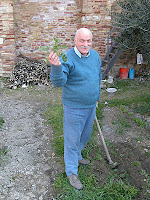
Foto di Gustavo Piccinini

Anyone, living in a given territory, can be bioregionalist regardless of  his origin if it follows the practice of deep ecology, in a way that, while feeling free to manifest itself in its peculiar characteristics, does not  cause harm to the habitat or the  society  for an exclusive personal benefit,  without considering the collective advantage.

In bioregionalism, therefore, we strive to bring a  balance between man, the environment and other living beings. It is very important to always keep in mind this "spirit" in which "deep" ecology becomes a constant practice of life, as a fragrant background. Bioregional approaches include the vision of deep ecology and natural spirituality. These three aspects are inseparable.

Deep ecology is the acknowledgment of the  inseparability of life and bioregionalism is nothing other than the description of the various vital processes and visible forms of life and matter in the awareness of such inseparability. In identifying a "bioregional" environment, we do not only take into account the living but the inorganic, morphological, geographic and geological set of the chosen territory, including - indeed - the botanical and zoological elements that thrive there. Without neglecting the sociological and cultural aspects of the society that resides there.

In short, the homogeneity of the examined area is considered "bioregion" and there is a slight line of demarcation (non-division) to identify the "boundaries". It goes without saying that these boundaries are simply theoretical, since the bioregional organism of the Earth is indeed an indivisible whole. We could by analogy define bioregions the organs of the Earth organism.

In the original meaning of the word "ecology", a difference in understanding is already outlined in its "environmentalism", although the exact translation of "ecology" is "environmental study". While in "environmentalism" is assumed the criterion of simple conservation. When the adjective "deep" is added to the term "ecology", it tends to expand its original meaning by incorporating the concept of further research into the environmental structure. So you go to discover the substrate and you do not only look at the surface, the skin of the environment. 

The same is true of the word spirituality and its "lay" qualification. In this case we try to give a "free" connotation to spirituality commonly understood as an expression of religion. Spirituality is the intelligence / consciousness that pervades life, is its scent, and is not absolutely a result of religion. This spirituality - the sense of presence - is a fact, a reality, and can not be described in philosophical terms unless we astray from the context of ecology itself. Lay spirituality is therefore not a basis for expressing the norms of a "new religion" with as many priests titled as interpreters and with a bible decided by the wise. This spirituality is the conscious sincere and honest practice of conducting our existence considering that we are all present in every aspect of the vital process and  in the consciousness that animates it.

Deep ecology, bioregionalism, natural (or lay) spirituality are expressions of harmonious, loving kind and supportive  living on Earth.

Paolo D'Arpini

Risultati immagini per spirito laico bioregionalismo


Testo italiano

La triade della nuova  coscienza universale: bioregionalismo, ecologia profonda, spiritualità laica 


Chiunque, vivendo in un  dato territorio,  può essere bioregionalista indipendentemente dalla provenienza di origine se segue la pratica dell’ecologia profonda, in un modo in cui, pur sentendosi liberi di manifestare se stessi nelle proprie caratteristiche peculiari, non si ha bisogno di provocare danni all’habitat od alla società in funzione di un personale esclusivo vantaggio, senza considerare il vantaggio collettivo. 


Nel bioregionalismo si cerca quindi di riportare un equilibrio fra l’uomo, l’ambiente e gli altri esseri viventi. E’ molto importante che si tenga sempre presente questo “spirito” in cui  l’ecologia “profonda” diventa una pratica costante della vita, come un sottofondo profumato.  L’approccio bioregionale comprende infatti la visione dell’ecologia profonda e della spiritualità della natura (o laica). Questi tre aspetti sono inseparabili.  

L’ecologia profonda è il riconoscimento dell’inscindibilità della vita ed il bioregionalismo non è altro che la descrizione dei vari processi vitali e delle forme visibili della vita e della materia nella consapevolezza di tale inscindibilità. Nell’individuazione di un ambito “bioregionale” non si tiene conto esclusivamente del vivente bensì dell’insieme inorganico, morfologico, geografico, geologico del territorio prescelto, ivi compresi -ovviamente- gli elementi botanici e zoologici che vi prosperano. Senza trascurare gli aspetti sociologici e culturali  della  società che ivi risiede.   

Insomma si esamina l’omogeneità dell’area esaminata definita “bioregione” e lì si traccia una leggera linea di demarcazione (non divisione) per individuarne i “confini”. Va da sé che questi confini sono semplicemente teorici, poiché l’organismo bioregionale della Terra è in verità un tutt’uno indivisibile.  Potremmo per analogia definire le bioregioni gli organi dell’organismo Terra.  

Nel significato originale della parola “ecologia”, rispetto alla sua consimile “ambientalismo” è già delineata una differenza d’intendimento, pur che l’esatta traduzione di “ecologia” è “studio dell’ambiente”. Mentre in “ambientalismo” si presume il criterio della semplice conservazione.  Allorché si aggiunge al termine “ecologia” l’aggettivo “profonda” ecco che si tende ad ampliarne il significato originario integrandovi il concetto di ulteriore ricerca all’interno della struttura ambientale. Insomma si va a scoprire il substrato e non si osserva solo la superficie, la pelle dell’ambiente.  Lo stesso dicasi per la parola spiritualità e la sua qualificazione “laica”. In questo caso si cerca di dare una connotazione “libera” alla spiritualità comunemente intesa come espressione della religione. La spiritualità è l’intelligenza/coscienza che pervade la vita, è il suo profumo e non è assolutamente un risultato della religione.  Questa spiritualità -o senso di presenza-  è un fatto, una realtà, e non può essere descritta in termini filosofici se non astraendoci dal contesto dell’ecologia stessa. La spiritualità laica quindi non è una base per esprimere le norme di una “nuova religione” con tanto di sacerdoti titolati all’interpretazione e con tanto di bibbia decisa a tavolino dai sapienti. Questa spiritualità  è  la consapevole pratica sincera ed onesta del condurre la nostra esistenza considerando che noi tutti siamo presenti in ogni aspetto del processo vitale e della coscienza che lo anima.  

L’ecologia profonda, il bioregionalismo, la spiritualità naturale (o laica) sono espressioni del vivere armonico, amorevole gentile e solidale sulla Terra. 

Paolo D'Arpini

sabato 11 novembre 2017

Fideistic scheme of religions and freedom in lay spirituality - Schema fideistico delle religioni e libertà nella spiritualità laica


Risultati immagini per Fideistic scheme  of religions

The fideistic scheme of religions,   superimposed over the spontaneous revelation of the spirit  in us, continues to obfuscate the simple consciousness of being, to belong to an inseparable whole of which we are an integral part.
Even before being Christians, Mohammedans or Buddhists, we are "consciousness" but such awareness is so hidden that our intrinsic nature is submerged by a plethora of ideas, constraints, and structures pre-established by various religious beliefs. A fence that prevents expressive freedom in terms of the natural spirituality of man.
Suffice to see the improper use that is made of the term "lay" by the Catholic religion, implying that it is a person not "ordered" but a member of the religion. What is absurd from the etymological and glottological point of view. But this misbehavior is portrayed brutally in the Vatican quotations referring to so-called "lay" believers of the church (meaning ordinary secular people,  householders  or single persons not ordained in priestly caste but belonging to the religion). This lexical cheating adds to mystifying and differentiating what is absolutely indivisible: the spirit.
From birth to death we stay in a cage and get out almost impossible. But litlle by little  man is becoming more and more identified with  the common human belonging  and not particularly as a member of a religion or ethnicity. This "unitary" tendency must be helped through the consciousness of a true natural and lay spirituality, which portrays the personal freedom of man to his original manifestation.
Children, newborns, are the first exploited, ideologically and religiously, by their own parents and the "social religious"  obligations to undergo religious imprinting. Even before he could understand what "religion" means, an innocent child is forced into a religious path, completely unknowingly. The innocent child is bound to rites and a faith he does not know and does not have the age to understand whether it is good or bad.
In this way, free spiritual expression is not helped, but members of society are jailed in a prison of thoughts, and this applies to religions and ideologies as well.
I call on  good and sincere people  to become aware of this, at the same time  inviting "religious" (or hypocrites swindlers) to stop  with their massacre of human intelligence.
Paolo D'Arpini

Risultati immagini per paolo d'arpini

Testo italiano
Lo schema fideistico delle religioni, sovrimposto alla spontanea rivelazione dello spirito in noi, continua ad offuscare la semplice coscienza di esistere, di appartenere ad un tutto inscindibile di cui siamo parte integrante.
Prima ancora di essere  cristiani, maomettani o buddisti, noi siamo “coscienza”  ma tale consapevolezza è talmente nascosta che la nostra intrinseca natura  viene  sommersa da una pletora di idee, costrizioni e strutturazioni precostituite da vari credo religiosi. Un recinto che impedisce la libertà espressiva in termini di spiritualità naturale dell’uomo.
Basti vedere l’uso improprio che viene fatto del termine “laico” dalla religione cattolica, sottintendendo si tratti di persona  non "ordinata" ma membro della religione. Cosa assurda dal punto di vista  etimologico e glottologico. Ma questo misuso viene portato sfacciatamente avanti nelle menzioni fatte dal vaticano in riferimento ai cosiddetti credenti “laici”  della chiesa (intendendo persone comuni, capifamiglia o singoli individui non ordinati nella casta sacerdotale ma appartenenti alla religione).    Questo imbroglio lessicale contribuisce a mistificare  e differenziare  quel che è  assolutamente indivisibile: lo spirito.
Dalla nascita alla morte restiamo in una gabbia ed uscirne sembra quasi impossibile. Pian piano l’uomo si sta riconoscendo  sempre più nella comune appartenenza all'esistenza umana e non particolarmente come membro di una religione od etnia. Questa tendenza alla “unità” va aiutata  attraverso  la coscienza di una vera spiritualità naturale e laica, che riporti la libertà personale dell’uomo alla sua originaria manifestazione.
I bambini, i neonati, sono i primi sfruttati, in senso ideologico e religioso, obbligati dai loro stessi genitori  e dagli obblighi “sociali” (ormai consolidati) a sottostare alle  strumentalizzazioni religiose.  Prima ancora che abbia potuto capire cosa significhi “religione”, un bambino innocente viene obbligato ad un percorso religioso, del tutto inconsapevolmente. Il bambino incolpevole viene legato ai riti e ad una fede che non conosce e non ha l’età per capire se sia buona o cattiva.
In tal modo non si aiuta la libera espressione spirituale ma si rinchiudono i membri della società in una prigione di pensieri, e ciò vale sia per le religioni che per le ideologie.
Invito le persone per bene e sincere a divenire consapevoli di ciò, contemporaneamente invito i “religiosi” (ovvero gli ipocriti imbroglioni) a smetterla con questo  massacro dell’intelligenza umana.
Paolo D'Arpini

venerdì 10 novembre 2017

Cosmic forgetfulness factor and universes that bounce infinitely - Fattore di dimenticanza cosmica e universi che rimbalzano all’infinito


Risultati immagini per franco farina universi
Universi dimenticati di Franco Farina


"As the ancient Indian wise men said, Vishnu preserves it, Shiva destroys it, Brahma re-creates it, infinitely and forever. But, perhaps because of the "cosmic forgetting factor", no universe "bounces" equally  to the former ... " (Joe Fallisi)

Science begins to get closer to philosophy. In fact metaphysical thinking and analysis of the physical world are two descriptions that collide, both draw on perceived reality through consciousness.

That the universes were continually created and destroyed one after another in an infinite sequence is the conclusion of Vedic and upanishadic thought, as well as Taoist thought. Everything runs (panta rei) everything turns everything melts everything resumes shape. It is constantly evolving into continuous transformation. 
How to say that the primordial substance is the same while the manifest aspects are different. To understand analogously this truth will simply look at the metamorphosis of life on this earth.

There are not two identical snow crystals, there are no two identical leaves of the same tree, in a sandy expanse each grain is different, in mankind each man is unique and unrepeatable, even through cloning it has been found that there are differences between the original model and the copy .... In short, life is totally different in all her forms .... This variety is the dominant feature ... which at the same time evokes basic unitarity... As in the observation of formative figures in a kaleidoscope, mirrors and crystals are the same but the images always appear different.

So eon after eon, universe after universe,  big bang after big bang, life continues to manifest itself in a color polychrome of incommensurably different forms but drawing on the same matrix: consciousness. Awareness of the One That Become  Many.


This was also the vision of our philosopher and lay spiritualist Giordano Bruno. He had perceived the true essence, the universal source, and the possibility of continually recreated and parallel universes. The fire of eternally manifested and inextricably linked Spirit and Matter. That his intuition had not been welcomed by his contemporaries, and   and this was the atrocious cause of his death, from the point of view of abstract thought and the reality of things, is of little importance ... And in dualistic perception, intelligence needs the stupidity to be evident.

What is true it is always evident and does not need confirmation ... it is self-existent. As each of us can find in its very identity and sense of being, it does not have to be corroborated by external agents. Indeed, the external agents are corroborated in their presence and existence from the "noumenon", the subject!

The truth can not be told because the description is not the substance.

And now there is another face of the medal,  to prove it, the scientific vision: Martin Bojowald has worked for six years around the complicated equations that support his theory. Today he was finally able to "demonstrate",  with  his work  published on Physics Nature, that the universe was not "born" with the Big Bang. When happened the "big bang",  that is traditionally traced back to the creation of the world we knew, the universe already existed. Indeed, the Big Bang was nothing more than a "refolding", a "redeployment" of pre-existing material.

One of the limits of the Big Bang theory, mathematically described by Einstein, is that at a given moment all matter was concentrated in a point with zero volume and mass and infinite energy. According to the laws of physics, impossible. Now Pennsylvania State University University scientists, coordinated by Bojowald, say that before the birth of our universe there was a similar one that, however, collapsed on itself. By combining the theory of relativity with quantum physics equations. Now  with the scientist  of Pennsylvania State University,   coordinated by Bojowald, was born the first model that systematically describes the existence of a universe pre-existing to ours, and that it computes some characteristics.

According to the model (Loop Quantum Gravity, or Lqg), the old universe was collapsing rapidly, to a state where gravity and energy were so high (but not infinite, as argued by previous theories) that reciprocal repulsion has inverted the process and recreated the expanding universe we know today.  According to American physicists, though very similar to each other, the "pre" and "post" rebounds were not equal: the equations governing them have at least a different variable, which Bojowald calls the "cosmic forgetfulness factor". That is, the absence of at least one parameter of the "pre" universe in the "post" universe. This also prevents the infinite replication of twin universes.

Paolo D'Arpini


Risultati immagini per paolo d'arpini


Testo Italiano

“Come già dicevano gli antichi sapienti indiani: Vishnu lo conserva, Shiva lo distrugge, Brahma lo ricrea, all’infinito e per sempre. Ma, forse proprio per il “fattore di dimenticanza cosmica”, nessun universo “rimbalza” uguale (d)al precedente…” (Joe Fallisi)

La scienza comincia ad avvicinarsi sempre più alla filosofia. In effetti il pensiero metafisico e l’analisi del mondo fisico sono due descrizioni che collidono, entrambe attingono alla realtà percepibile per mezzo della coscienza.

Che gli universi fossero continuamente creati e distrutti uno dopo l’altro in una sequenza infinita è la conclusione del pensiero vedico e upanishadico, come pure di quello taoista. Tutto scorre (panta rei) tutto si trasforma tutto si scioglie tutto riprende forma. In continuo evolversi in continua trasformazione.

Come dire che la sostanza primordiale è la stessa mentre gli aspetti manifesti sono diversi. Per comprendere analogicamente questa verità basterà osservare la metamorfosi della vita su questa terra.

Non ci sono due cristalli di neve uguali, non ci sono due foglie dello stesso albero uguali, in una distesa di sabbia ogni granello è diverso, nell’umanità ogni uomo è unico ed irripetibile, persino attraverso la clonazione è stato riscontrato che esistono differenze fra il modello originale e la copia….

Insomma la vita è totalmente varia…. Questa varietà è la caratteristica dominante.. che allo stesso tempo evoca l’unitarietà di fondo…. Come avviene nell’osservazione delle figure formantesi in un caleidoscopio, gli specchietti e i cristalli sono gli stessi ma le immagini appaiono sempre diverse.


Così eone dopo eone universo dopo universo big bang dopo big bang la vita continua a manifestarsi in una policromia di colori, di forme incommensurabilmente diverse ma attingenti alla stessa matrice: la coscienza. La consapevolezza dell’Uno che si fa molti.

Questa era anche la visione del nostro filosofo e spiritualista laico Giordano Bruno. Egli aveva intuito la vera essenza, la sorgente universale, e la possibilità degli universi continuamente ricreati e paralleli.. Il fuoco d’artificio eternamente manifesto e inestracabilmente congiunto di Spirito e Materia. Che la sua intuizione non fosse stata accolta dai suoi contemporanei, e gli provocò anzi un’atroce morte, dal punto di vista del pensiero astratto e della realtà delle cose ha poca importanza… Ed inoltre, nella percezione dualistica, l’intelligenza ha bisogno della stupidità per risultare evidente.

Ciò che è vero lo è sempre e non abbisogna di conferme… è autoesistente. Come ognuno di noi può riscontrare nella sua stessa identità e senso dell’essere che non abbisogna di venire corroborata da agenti esterni.. anzi sono gli agenti esterni ad essere corroborati nella loro presenza ed esistenza dal “noumeno”, dal soggetto!


La verità non può essere raccontata poiché la descrizione non è la sostanza.

Ed ora ecco un’altra faccia della medaglia, quella della visione scientistica: Martin Bojowald ha lavorato per sei anni intorno alle complicate equazioni che sorreggono la sua teoria. Oggi finalmente è potuto uscire allo scoperto su Physics Nature per dire che l’universo non è nato con il Big Bang. Quando si verificò il “grande botto” al quale si fa tradizionalmente risalire la creazione del mondo che conosciamo, l’universo esisteva già. Anzi, il Big Bang non fu altro che un “ridispiegamento”, un “rimbalzo” della materia preesistente.

Uno dei limiti della teoria del Big Bang, descritta matematicamente da Einstein, è che in un dato momento tutta la materia era concentrata in un punto con volume zero e massa ed energia infinite. Secondo le leggi della fisica, impossibile. Ora gli scienziati dell’università di Pennsylvania State University, coordinati da Bojowald, dicono che prima della nascita del nostro universo ce n’era uno simile che però collassava su se stesso. Unendo la teoria della relatività ad equazioni di fisica quantistica, alla Penn State è nato il primo modello che descrive sistematicamente l’esistenza di un universo preesistente al nostro, e che ne calcola alcune caratteristiche.

Secondo il modello (Loop Quantum Gravity, o Lqg), il vecchio universo stava collassando rapidamente, fino a raggiungere uno stato in cui la gravità e l’energia erano così alte (ma non infinite, come sostenuto dalle teorie precedenti) che la repulsione reciproca ha fatto invertire il processo e ha dato vita all’universo in espansione che conosciamo oggi. Per i fisici americani, anche se molto simili fra loro, gli universi “pre” e “post” rimbalzo non erano uguali: le equazioni che li governano infatti hanno almeno una variabile differente, che Bojowald chiama il “fattore di dimenticanza cosmica”. Cioè l’assenza di almeno un parametro dell’universo “pre” nell’universo “post”. Il che impedisce anche l’infinito replicarsi di universi gemelli.

Paolo D'Arpini

martedì 7 novembre 2017

Illnesses. Healing without medicine is possible! - Malattie. Guarire senza medicine è possibile!


Risultati immagini per maria sonia baldoni
During my stay in some primitive societies, in Africa and Asia, where traditional medical art was still alive and present, I learned some basic secrets about simple healing methods (hence the term "simplistic"  addressed to healers who use natural herbs) integrated with various natural branches of medical knowledge. To tell the truth, I found this knowledge even in Italian rural communities, where herbal care and unpublished "empirical" systems were (and are) still in use in many villages.
I remember my first teacher, Irmo,  a goatherd of Calcata, who, in addition to producing a good  cheese, had a thousand remedies for various metabolic dysfunctions and other ailments, having learned the secrets of "animal medicine" by observing  which herbs were favored by goats under certain conditions . Who has not seen cats, for example, cure themselves by getting the vomit with particular herbs? The wild animals are a striking example of how to be healthy without ever resorting to medical care, because the animal spontaneously "prevents" diseases with a balanced diet and consonant with its conformation, and cures any poisoning or dysfunction with those plants that instinctively recognize fit.
In traditional Indian or Chinese medicine, the basic system is practically the same as the animal one. First of all  prevention is used   and when necessary the rebalancing takes place through simple natural systems. To figure out that there was almost no "medicine" in the past, there were only detoxifying and re-balancing "diets" of vital functions. This applies to Ayurveda, the oldest school known in the world, and also to the Chinese Elemental System (based on the five elements).
Eg, in India and China, the doctor was paid to keep the assisted in good health,  as soon as he became ill he was interrupted the payment, unless a fine  imposed. However, prior to each consultation, the physician used to frame the assisted zodiacal aspects to know the innate tendencies and thus the propensity to certain types of illness or organic scum. First of all, he cared for signs of rebalancing, for example, drawing attention to some neglected or deficient elements, in serious cases it was advised to hire basic elemental substances, in even more serious cases he was involved with the imposition of hands, massages , pressure at the feet and other parts of the body, acupuncture, etc.
In fact, what we call "disease" is not just a lack of health, but an interruption of the internal / external equilibrium state. A lack of harmony between internal drives with the necessary external environmental impulse response. We are the indivisible part of the great living organism, the vital set that distinguishes life in all its forms, so when we are unable to harmonize the internal / external movement automatically it becomes a condition of "disease." Defining it at this point psychosomatic or organic is totally irrelevant. Illness is indeed a state of "malaise" that finds expression through somatization in the body. When the disease appears it means that one or more of the elemental energy aspects are tampered with.
With the current  allopathic medical system, based on vaccinations and on the taking of chemical medicines, you will never be able to achieve a real balance. As medical "forcing" adjusts one side and breaks on the other, and also creates dependencies and makes spontaneous forms of self-healing impossible. "True medicine is all that helps to restore harmony without other alterations," affirms the herbalist Carlo Signorini. Of course, even the simpleist or the ayurvedic doctor or the shamanic healer can not ignore the symptoms of the illness, but he acts differently from the allopathic physician, for him symptomatology is a warning, a sign of something that is deeper.
A good healer, for example examines the iris, defined as the mirror of the soul, ticks the wrist, shakes the limbs, reads the lines of the hand, etc. so the manifest symptoms can not mislead him, he knows that signals always have a deeper root  that generate them. In truth, it is the same disease that encloses its medicine, this for the well-known law of "opposites."
Thus, in bioregional naturalism, health is based on natural healing systems, starting from the knowledge and message of the plants and the illness-related psychic manifestations.
Paolo D'Arpini

Testo italiano
Durante le mie permanenze in alcune società primitive, in Africa ed in Asia, dove la tradizionale arte medica era ancora viva ed attuale, ho appreso alcuni segreti basilari sui metodi semplici di guarigione (da qui il termine “semplicista” utilizzato per i curatori con le erbe officinali) integrati con varie branche di conoscenza naturalistica. A dire il vero queste conoscenze le ho ritrovate anche nelle comunità rurali italiane, ove la cura con le erbe ed i sistemi “empirici” non ufficializzati erano (e sono) ancora in auge in molti paesini.
Ricordo il mio primo maestro, il capraio Irmo di Calcata, che oltre a produrre un buon cacio aveva mille rimedi per varie disfunzioni metaboliche ed altri acciacchi, avendo appreso, osservando le erbe predilette dalle capre, i segreti della “medicina animale”. Chi è che non ha visto i gatti, ad esempio, curare se stessi procurandosi il vomito con particolari erbe? L’animale selvatico è un esempio lampante di come si possa stare in buona salute senza mai ricorrere a cure mediche, infatti l’animale spontaneamente “previene” le malattie con una dieta equilibrata e consona alla sua conformazione, e cura gli eventuali avvelenamenti o disfunzioni con quelle piante che istintivamente riconosce idonee.
Nella medicina tradizionale indiana o cinese il sistema di base è praticamente lo stesso di quello animale. Innanzi tutto vale la prevenzione poi subentra il riequilibrio attraverso semplici sistemi naturali. Figuratevi che anticamente non esistevano quasi “medicine” c’erano solo “diete” disintossicanti e riequilibriatrici delle funzioni vitali. Ciò vale per l’Ayurveda, la scuola più antica conosciuta al mondo, ed anche per il Sistema elementale cinese (basato sui cinque elementi).
Ad esempio sia in India che in Cina il medico era pagato per mantenere in buona salute l’assistito, appena esso si ammalava veniva interrotto il pagamento, se non comminata una multa. Comunque prima di ogni consulto il medico soleva inquadrare gli aspetti zodiacali dell’assistito, per conoscerne le tendenze innate e quindi le propensioni a certi tipi di malattia o di scompenso organico. Innanzi tutto egli curava con indicazioni di riequilibrio, ad esempio riportando l’attenzione su alcuni elementi trascurati o carenti, in casi gravi si consigliava l’assunzione di sostanze elementali basilari, in casi ancora più gravi si interveniva con l’imposizione delle mani, massaggi, pressione ai piedi ed altre parti del corpo, agopuntura, etc.
In effetti quello che noi chiamiamo “malattia” non è solo una mancanza di salute bensì un’interruzione della condizione di equilibrio interno/esterno. Una mancanza di armonia fra le pulsioni interne con le necessarie risposte agli impulsi ambientali esterni. Noi siamo parte indivisibile del grande organismo vivente, l’insieme vitale che contraddistingue la vita in ogni sua forma, perciò allorché non siamo in grado di armonizzare il movimento interno/esterno automaticamente subentra una condizione di “malattia”. Definirla a questo punto psicosomatica od organica è del tutto irrilevante. La malattia è invero uno stato di “malessere” che trova espressione attraverso la somatizzazione nel corpo. Quando la malattia appare significa che uno o più degli aspetti energetici elementali sono manomessi.
Con il sistema medico attuale, basato su vaccinazioni e sull’assunzione di medicinali chimici, non si potrà mai raggiungere un saldo equilibrio. In quanto la “forzatura” medicinale aggiusta da una parte e rompe dall’altra, ed inoltre crea dipendenze e rende impossibile le forme spontanee di auto-guarigione. “Vera medicina è tutto ciò che contribuisce a ristabilire armonia senza altre alterazioni” afferma l’erborista Carlo Signorini. Certo, anche il semplicista od il medico ayurvedico od il guaritore sciamanico non può ignorare la sintomatologia del male, egli però agisce diversamente dal medico allopatico, per lui la sintomatologia è una avvisaglia, un segnale di qualcosa che sta più in profondità.
Un bravo guaritore, esamina ad esempio l’iride, definita lo specchio dell’anima, tasta il polso, scuote le membra, legge le linee della mano, etc. per cui i sintomi manifestati non possono trarlo in inganno, egli sa che i segnali hanno sempre una più profonda radice che li origina. In verità è la stessa malattia che racchiude la sua medicina, questo per la legge ben conosciuta degli “opposti”.
Così nel naturalismo bioregionale la salute si basa sui sistemi curativi naturali, partendo dalla conoscenza e dal messaggio delle piante e dalle manifestazioni psichiche connesse alla malattia.
Paolo D’Arpini

lunedì 6 novembre 2017

A Jew can be "secular"? Yes, if he renounce the "race" - Un ebreo può essere “laico”? Sì, se rinuncia alla “razza”


A Jew can be "secular"? I say "secular" in the full sense of "lay", since I have often noticed that many critics of Christianity or Islam call themselves "lay," while in the end they are discovered - by their very admission - to belong to the Jewish community. So their criticism of other religions is a little "hairy". On the other hand, I have met several Jews with whom I have been friends, which show great mental openness and often do not hesitate to define themselves as "atheists" or at least "agnostic ones", so from an intellectual point of view they could be called "lay". 
The fact is that the religion of Jews, that is, Judaism, is not a philosophical-elective religion in the sense of thought, and therefore open to all. Judaism is essentially an ethnic  tradition, which is handed down among the members of the Jewish people, that is to say, born of a family or particularly of a Jewish woman. The Jewish people and Judaism are therefore a whole inseparable.

As is the case, for example, in Hinduism, where brahmins from the doctrinal point of view can belong to several sects of the Sanatana Dharma, can be vaishanava, shivait, shakta, and even atheist nihilists, but they continue to maintain the Brahminic genetic tradition (marrying and reproducing only among brahmins).

And then when does a Jew stop to belong to Judaism or a brahmin to his caste, in addition to elective intellectual renunciation?

The answer is simple: the moment when it also abandons the genetic tradition of marriage and reproduction within its "ethnicity" or caste. Since there is no ascendancy-descendence, the genetic characteristics are scuffled and the traces dispersed along with the cultural ones are slowly remixed.

Of course some dominant features remain (as a genetic message). But the sense of belonging to the ethnic group disappears. In a way, this renunciation to the "gens" is what the ancient Romans did, that being originally Etruscans, Sabies, Faliscian  and Latin, etc. renounced their "genetic family" to recognize themselves in the new Roman citizenship and culture.

But the example of the Romans is not to be considered "universal" and definitive since they rejected their  previous tribal origins but did not merge with "humanity" in the broad sense. They only changed their sense of belonging. So it goes without saying that true "laicity" must occur in the total rejoining with the "humanity" leaving aside any other identification with religions, ethnicities, races or other.

This is exactly my case. My paternal grandparents were both of Jewish origin, the "pure", not the Ashkenazite, which is made up of converted Turcomanians in the year 1000 (see http: //www.circolovegetarianocalcata.it/2013/12/25/storia - as-and-born-the-Zionism-or-if-Jews-are non-Jewish-but-Khazari-converts /) and which, by logic rigor, are not of Semitic Jewish origin, but during Fascism renounced their identity, perhaps to save their skin or for similar reasons. Their children, including my father, married goyim women, breaking the genetic continuity, and I in turn continued on this path of  detachment. From which it can be stated that my Jewish  ascendancy descendance amount almost to  nothing. It remains-as mentioned above- only some genetic features: the big nose and a little pointed, speculative intelligence and other socks I'm not mentioning.

This also wants to be an invitation, addressed to truly "lay" Jews, to dissolve themselves  in the humanity to which we all belong indistinctly. Beyond any ethnic component. Recognizing us therefore in the common matrix of the species and erasing every vestige of "race" which, among other things, also from the scientific anthropological point of view, has no consistency. In fact, science has now established that there is only one human species and so-called "races" do not exist, being nothing but the result of an adaptation of human populations that have evolved into certain environments and climate.

Someone, among the traditional Jews, could argue that "Judaism as a religion would also disappear." Indeed, what a true "lay man" wishes to humanity is the disappearance of every religion and the rediscovery of "the spirituality common to all", the natural one, without distinction of sorts ...

Paolo D'Arpini -  Lay Spirituality Committee

Testo Italiano
Un ebreo può essere “laico”? Dico “laico” in senso totale, poiché spesso ho notato che molti critici del cristianesimo o dell’islamismo si definiscono “laici”, mentre alla fine si scopre -per loro stessa ammissione- che appartengono alla comunità ebraica. Quindi la loro critica delle altre religioni è un po’ pelosa. D’altro canto ho conosciuto diversi ebrei, con i quali ho stretto amicizia, che dimostrano una grande apertura mentale e spesso non esitano a definirsi “atei” o perlomeno “agnostici”, quindi dal punto di vista intellettuale si potrebbero definire “laici”. Il fatto è che la religione degli ebrei, cioè l’ebraismo, non è una religione filosofico-elettiva , nel senso del pensiero, e quindi aperta a tutti. L’ebraismo è sostanzialmente una religione etnica, che viene tramandata fra gli appartenenti del popolo ebraico, cioè i nati da famiglia o da donna ebrea. Il popolo ebreo e l’ebraismo sono perciò un tutt’uno inscindibile.
Come avviene ad esempio nel bramanesimo induista, in cui i bramini dal punto di vista dottrinale possono appartenere a varie sette del Sanatana Dharma, possono essere vishnuiti, shivaiti, shakta e persino nichilisti atei ma continuano in realtà a mantenere la tradizione genetica braminica (sposandosi e riproducendosi solo tra bramini).
Ed allora quando smette un ebreo di appartenere all’ebraismo od un bramino alla sua casta, oltre alla rinuncia intellettuale elettiva?
La risposta è semplice: il momento in cui abbandona anche la tradizione genetica del matrimonio e della riproduzione all’interno della sua “etnia” o casta. Non essendoci più ascendenza-discendenza le caratteristiche genetiche vengono rimescolate e pian piano le tracce disperse assieme a quelle culturali.
Certo alcune caratteristiche dominanti restano. Ma scompare il senso di appartenenza al gruppo etnico. In un certo senso questa rinuncia alla “gens” è quanto fecero i romani antichi, che essendo originariamente etruschi, sabini, falisci e latini, etc. rinunciarono alla loro “famiglia genetica” per riconoscersi nella nuova cittadinanza romana.
Però l’esempio dei romani non è da considerarsi “universale” e definitivo poiché essi rifiutarono le precedenti origini tribali ma non si fusero con “l’umanità” in senso lato. Cambiarono soltanto il senso di appartenenza. Quindi va da a sé che una vera “laicità” deve avvenire nel ricongiungersi totalmente nell’ “Umano” lasciando da parte ogni altra identificazione con religioni, etnie, razze o dir si voglia.
Questo è esattamente il mio caso. Infatti i miei nonni paterni erano entrambi di origine ebraica, quella “pura”, non quella ashkenazita, che è composta da turcomanni convertiti nell’anno 1000 (vedi:http://www.circolovegetarianocalcata.it/2013/12/25/storia-di-come-e-nato-il-sionismo-ovvero-se-gli-ebrei-non-sono-ebrei-ma-khazari-convertiti/) e che a rigor di logica non è di origine ebraica semita, essi però durante il fascismo rinunciarono alla loro identità, forse per salvare la pelle o per simili ragioni. I loro figli, compreso mio padre, sposarono donne gentili, rompendo la continuità genetica, ed io a mia volta ho continuato in questa strada di allontanamento. Dal che si può affermare che la mia ascendenza-discendenza ebraica è nulla. Resta -come detto sopra- solo qualche caratteristica genetica: il naso grosso ed un po’ appuntito, l’intelligenza speculativa ed altre cosucce che non sto a menzionare.
Questo vuole anche essere un invito, rivolto agli ebrei veramente “laici”, allo scioglimento nell’Umanità a cui tutti noi indistintamente apparteniamo. Aldilà di ogni componente etnica. Riconoscendoci quindi nella comune matrice della specie e cancellando ogni vestigia di “razza”, che tra l’altro anche dal punto di vista scientifico antropologico non ha alcuna consistenza. Infatti la scienza oggi ha stabilito che esiste una sola specie umana e le cosiddette “razze” non esistono, non essendo altro che il risultato di un adattamento di popolazioni umane che si sono evolute in determinati ambienti e clima.
Qualcuno, fra gli ebrei tradizionali, potrebbe obiettare che “in tal modo scomparirebbe anche l’ebraismo come religione”. Verissimo, infatti quel che un vero “laico” augura all’umanità è la scomparsa di ogni religione e la riscoperta della “spiritualità laica”, quella naturale dell’uomo, senza distinzioni di sorta…
Paolo D’Arpini
Comitato per la Spiritualità Laica

sabato 4 novembre 2017

The practice of Deep Ecology - Praticare l'Ecologia Profonda

"Under no circumstances should the whise disturb the minds of the ignorant people attached to the actions. On the contrary, by engaging in continuous activity, the Illuminated Being must create in the ignorant the desire for good actions. " (Bagavadhgita)


Risultati immagini per buon esempio ecologico

I remember a funny zen storyline telling of a peasant who called a priest to attend a blessing ceremony to his family. The monk was about to begin the ritual when the man asked him if his wife who had died a while before would also  have benefited. "Certainly," said the priest, "all living or dead sentient beings will benefit" - "Everyone ... all of them?" He inquired again the farmer, and the monk: "All beings share the nature of Buddha and so everyone will be benefited and remembered in the function ". And the farmer: "But ... I really wish that at least  my neighbor, who is very unpleasant to me,  be excluded"

This is what we do, we do good works, but we feel that  these  should be directed only to those who care about us or at least that  we  do not dislike ... Is this separation possible in the context of the living? Obviously not…

Deep ecology teaches us not to separate the living from the living, it makes us realize that we all live in a context of which we are an integral part, and that there is no separate "neutral environment"  of  which we can dispose of as a  latrine. 

A sewer is also part of the environment,  and it confers and influences it. By the way, do you know what is the most polluting site in the home? The toilet!  It is the same place that no one can do without, but it causes the greatest   consumption  of clean water and releases the greatest quantity of toxins and  occurring substances in the habitat.  It is where you consume the greater amount of  energy , between bathrooms, washing machines, hairdryer,  water closet, etc ...

Continuing on the subject of deep ecology, it must be said that this word does not denote a "predetermined ideology" with its specific behavioral rules. Ecological practice is based on the ability to understand the position in which we are, starting from our inner condition, in  the environment and the social context, thus flowing into the vital process, deepening the awareness of common belonging. With the practice of deep ecology   we do  not act to convince others but because our action represents a personal and collective value and reveals its significance through exemplification. If you truly believe in a project, you do not have to struggle to impose it, but to demonstrate through your behavior its goodness, souls  in tune will be spontaneously involved, you can go along to its realization avoiding solutions 
which create division or oppression, such as victory or defeat.

Paolo D'Arpini

Risultati immagini per buon esempio ecologico paolo d'arpini


Testo Italiano

“In nessuna circostanza il saggio deve turbare le menti delle persone ignoranti attaccate alle azioni. Al contrario, impegnandosi continuamente in attività, l’Essere Illuminato deve creare nell’ignorante il desiderio per le buone azioni”. (Bagavadhgita)

Ricordo una divertente storiella zen in cui si narra di un contadino che chiamò un prete per svolgere una cerimonia di benedizioni alla sua famiglia. Il monaco stava per iniziare il rito quando l’uomo gli chiese se ne avrebbe avuto beneficio anche la sua consorte che era deceduta qualche tempo prima. “Certamente – assicurò il prete - tutti gli esseri senzienti vivi o morti ne trarranno beneficio” – “Tutti... proprio tutti?” Indagò ancora il contadino, e il monaco: “Tutti gli esseri condividono la natura di Buddha e quindi tutti saranno beneficiati e ricordati nella funzione”. E il contadino: "Ma... veramente  vorrei che almeno fosse escluso il mio vicino che mi sta molto antipatico…”

Ecco fatto, noi compiamo opere di bene ma riteniamo che debbano essere rivolte solo verso chi ci sta a cuore o perlomeno non ci è antipatico… È possibile questa separazione nel contesto dei viventi? Ovviamente no…

L'ecologia profonda ci insegna a non separare il vivente dal vivente, ci fa capire che tutti viviamo in un contesto di cui siamo parte integrante e che non esiste un "ambiente neutro" separato da noi, del quale poter disporre come fosse una latrina. Anche la cloaca fa parte dell'ambiente e in esso confluisce e influisce. A proposito, sapete qual è il luogo che maggiormente crea inquinamento nella casa? E’ lo stesso luogo di cui nessuno può fare a meno ma che causa il maggior consumo di acqua pulita e rilascia il maggior numero di tossine e sostanze venefiche nell’habitat: il gabinetto… È lì che si consuma la maggiore quantità di energia, tra bagni, lavatrici, asciugacapelli, water closet, etc…

Continuando sul discorso dell'ecologia profonda occorre dire che questa parola non denota una "ideologia prefissata" con sue regole specifiche di comportamento. La pratica ecologica è basata sulla capacità di intendere la posizione in cui ci si trova, partendo dalla nostra condizione interiore, nell'ambiente e nel contesto sociale, fluendo quindi nel processo vitale, in approfondimento della consapevolezza della comune appartenenza. Nell'ecologia profonda non si agisce per convincere gli altri ma perché la nostra azione rappresenta una valenza personale e collettiva e ne rivela il significato attraverso l'esemplificazione. Se credi veramente in un progetto, non devi lottare per imporlo, ma dimostrare attraverso il tuo comportamento la sua bontà, le anime in sintonia saranno spontaneamente coinvolte, potrete procedere insieme verso la sua realizzazione evitando soluzioni che dividono o contrappongono, come la vittoria o la sconfitta.

Paolo D'Arpini

(http://www.terranuova.it/Blog/Riconoscersi-in-cio-che-e/Praticare-l-ecologia-profonda)

venerdì 3 novembre 2017

Knowing ourselves starting with the "person" - Conoscere se stessi partendo dalla "persona"


Risultati immagini per conoscere se stessi paolo d'arpini

... I really do not know  what comes out of this keyboard, sometimes words are transcribed but  unknowngly by me, I know them only when they appear on  the screen.

For a kind of sympathy I perceive to all the people with whom I share emotions and feelings, I thought that it might be useful for me and for them to clarify some aspects of self-knowledge that are still addressed to the person. Since (however) we must start from the person as the depositary of the first spark of consciousness from which everything derives. Therefore, I do not want to diminish the value of this person, and as "this" also all the others who patiently follow and precede.

Knowing the embodied characteristics, knowing the impulses that characterize our person, is certainly useful to keep us save  from the  tricks of the mind, so as not to fall into the trap of false identity. In fact, anything that can be described can not be "us" but only the functional structure of the body / mind (in which we recognize ourselves). This psycho-physical apparatus is the result of the combination of natural forces (or elements) and of psychic qualities (which of the  elements are expression). In the multiform interconnection of these energies, infinite beings take shape .... Although -in truth- these are not "forces" or "beings" but  a single energy and a single being that takes on various aspects during its unfolding in space-time.

But here we need to describe the "separative capacity" that produces the illusion of diversity. It is the first concept that is formed in the mind (actually is the mind itself) at the same time as the appearance of "I" thought. Warning it is not the Absolute I (Self), the Being  beyond any identification; it is instead the first conscious reflection (the ego) in the mind and which allows the objectification and perception of the externality through the senses. In this way the dissociative mechanism of "I am this" is implemented and what is being observed is "is another".

Thus dualism assumes a semblance of reality and is corroborated by the consequential causality of the transformations that unfold in space / time. The dual training process is easy to spot by the intellect's attention (in the sense of attentiveness) but even this consideration is still within the specular reflection of the mind, so from the point of view of Absolute Knowledge this explanation (or understanding) is futile, not compliant,  perhaps unnecessary and even misleading...

Someone might be wondering at this point: "... Then why write that down? Why do  read it? "- But the answer is very simple, sometimes before we throw the garbage we feel the need to examine it in every detail so that we do not regret it later... Unfortunately in years and years of low flying we have developed a strong attachment to the ballast ... !

Paolo D'Arpini

Risultati immagini per conoscere se stessi paolo d'arpini

Testo Italiano

...in verità non so bene nemmeno io quello che esce da questa tastiera, a volte le parole vengono trascritte ma mi sono sconosciute, le conosco solo nel momento in cui appaiono  sullo schermo.

Per una sorta di simpatia che percepisco verso tutte le persone con le quali riesco a condividere emozioni e sentimenti ho pensato che potesse essere utile (per me e per loro) chiarire alcuni aspetti dell'auto conoscenza che ancora si rivolgono alla persona. Poiché (comunque) dalla persona dobbiamo partire in quanto depositaria della prima scintilla di Coscienza dalla quale tutto deriva. Non voglio perciò sminuire il valore di questa persona, e come "questa" anche tutte le altre che pazientemente seguono e precedono.

Conoscere le caratteristiche incarnate, saper individuare le pulsioni che contraddistinguono la nostra persona, è sicuramente utile per non farci imbrogliare dalla mente, per non cadere nella trappola della falsa identità. Infatti tutto ciò che può essere descritto non può essere “noi” ma solo la struttura funzionale del corpo/mente (nella quale ci riconosciamo). Questo apparato psico-fisico è il risultato della commistione di forze naturali (od elementi) e di qualità psichiche (che degli elementi sono espressione). Nella multiforme interconnessione di queste energie gli infiniti esseri prendono forma…. Anche se –in verità- non si tratta di “forze” né di “esseri” bensì di una singola forza e di un solo essere che assume vari aspetti durante il suo svolgersi nello spazio-tempo.

Ma qui occorre descrivere la “capacità separativa”  che produce l’illusione della diversità. Essa è il primo concetto che si forma nella mente (in effetti è la mente stessa) contemporaneamente all’apparire del pensiero “io”. Attenzione non si tratta dell’Io Assoluto, l’Essere aldilà di ogni identificazione, si tratta invece del primo riflesso cosciente (di tale Io) nella mente e che consente l’oggettivazione e la percezione dell’esteriorità attraverso i sensi. In tal modo si attua il meccanismo dissociativo di “io sono questo” e quel che viene osservato “è altro”.  

Così il dualismo assume una sembianza di realtà e viene corroborato dalla causalità consequenziale alle trasformazioni che si srotolano nello spazio/tempo. Il processo formativo duale è di facile individuazione da parte dell’accorto intelletto (nel  senso di attento) ma questa considerazione è ancora all’interno del riflesso speculare della mente, per cui dal punto di vista della Conoscenza Assoluta anche questa spiegazione (o comprensione) è futile, non confacente e  forse innecessaria, magari addirittura fuorviante…

Qualcuno potrebbe chiedersi a questo punto: “…Allora perché scrivere tutto ciò? Perché leggerlo?” –  Ma la risposta è banale, talvolta prima di gettare l’immondizia sentiamo il bisogno di esaminarla in ogni particolare in modo da non aver poi rimpianti… Purtroppo in anni ed anni di volo basso abbiamo sviluppato un forte attaccamento alla zavorra…!


Paolo D’Arpini